
Danish Rye Bread
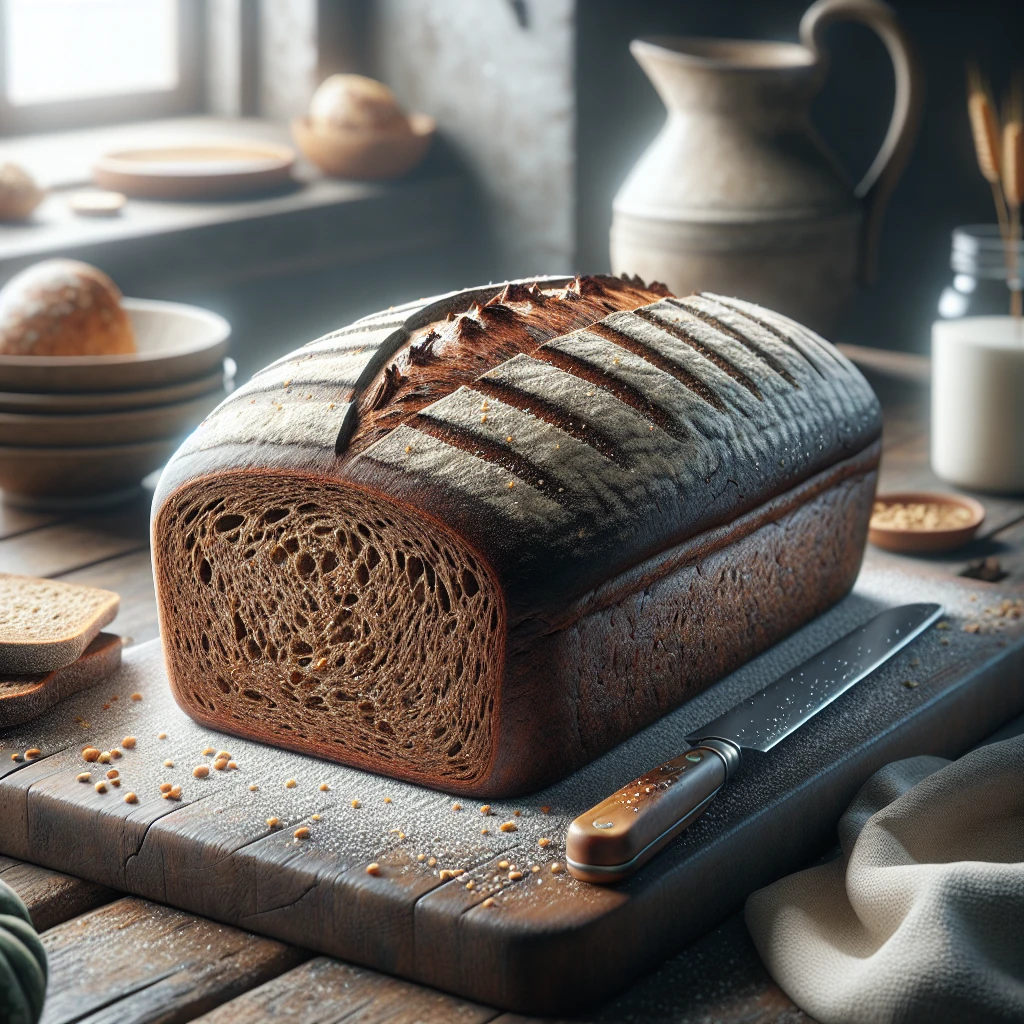
Danish Rye Bread, known as "rugbrød" in Denmark, is a hearty, nutritious loaf that's a staple in Scandinavian cuisine. This dense bread is rich in fiber and flavor, making it a perfect addition to any meal or a satisfying snack on its own.
 Share
Share
This post may contain affiliate links. As an Amazon Associate, we earn from qualifying purchases.
Ingredients for Danish Rye Bread
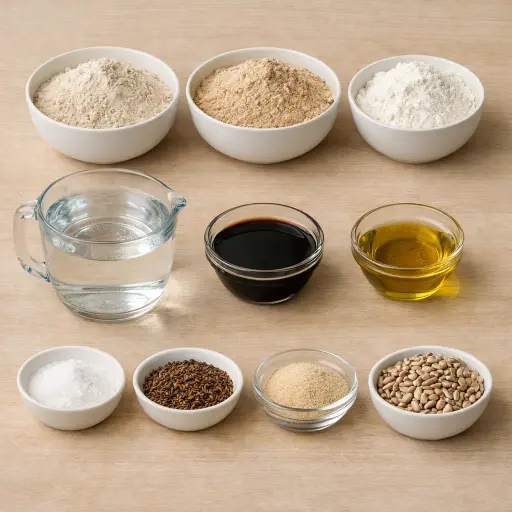
Rye flour is the star of this bread, giving it a distinct, slightly tangy flavor and dense texture. Whole wheat flour adds a hearty, nutty flavor and helps balance the density of the rye. Bread flour provides the necessary gluten to give the loaf some structure. Molasses adds a touch of sweetness and depth, while olive oil keeps the bread moist. Salt enhances the flavors, and caraway seeds add a traditional, aromatic touch. The yeast is crucial for the bread to rise, and sunflower seeds add a delightful crunch and extra nutrition.
Why This Danish Rye Bread Works
During mixing, the warm water wakes up the yeast, and the yeast starts making tiny bubbles of gas. Those bubbles get trapped inside the rye, whole wheat, and bread flours. The bread flour has more strength, so it gives the dough a kind of stretchy net that can actually hold those bubbles instead of letting them escape. That’s what lets a heavy rye loaf still rise and not bake up like a brick.
As the dough is kneaded, the flours line up and grab onto each other, so the dough becomes smoother and more elastic. The sunflower seeds and caraway seeds get pressed into that structure, so they stay evenly spread instead of sinking or clumping. During the long rise, the dough slowly fills with more gas and softens. In the oven, the heat sets that stretched dough in place, so the loaf keeps its shape. Molasses and olive oil keep the inside moist while the outside dries and firms up into a chewy, sturdy crust.
Danish Rye Bread Tips & Tricks
- If your kitchen is cold, let the dough rise in the oven with just the light on to create a warm environment.
- Don't skip the second rise; it helps develop the bread's texture.
- For extra flavor, toast the sunflower seeds before adding them to the dough.
Mistakes To Avoid
Using water that’s too hot for the yeast easily causes trouble. The yeast gets killed instead of waking up, the dough barely rises, and the finished loaf comes out short, heavy, and almost gummy in the center instead of tall and airy for a rye bread.
Skipping enough kneading time leaves the dough underdeveloped. The flours and water never really come together into a strong, stretchy dough, so the loaf can spread out, rise unevenly, and bake up with a tight, crumbly slice that falls apart.
Letting the first rise go way past doubled size often backfires. The dough can overproof, collapse when shaped, and then the second rise stays weak, giving a flat loaf with big tunnels in some spots and dense patches in others.
Adding all the sunflower seeds at the very start of mixing seems easier but causes issues. The sharp edges cut through the gluten strands while they are forming, so the dough struggles to hold gas and the bread bakes up squat and a bit tough.
Equipment Used:
Large mixing bowl, Loaf pan, Wire rack, Measuring cups and spoons
Ingredients
- 2 cups rye flour
- 2 cups whole wheat flour
- 1 1/2 cups bread flour
- 2 cups warm water
- 1/4 cup molasses
- 2 tablespoons olive oil
- 2 teaspoons salt
- 1 tablespoon caraway seeds
- 1 packet (2 1/4 teaspoons) active dry yeast
- 1/2 cup sunflower seeds
Step-by-step Instructions
- 1. In a small bowl, dissolve the yeast in 1/2 cup of warm water and let it sit for about 5 minutes until foamy.
- 2. In a large mixing bowl, combine rye flour, whole wheat flour, bread flour, caraway seeds, and salt.
- 3. Add the yeast mixture, remaining warm water, molasses, and olive oil to the dry ingredients. Stir until a dough begins to form.
- 4. Knead the dough on a lightly floured surface for about 10 minutes until smooth and elastic.
- 5. Add the sunflower seeds and knead until evenly distributed throughout the dough.
- 6. Place the dough in a greased bowl, cover with a damp cloth, and let it rise in a warm place for 1.5 hours or until doubled in size.
- 7. Preheat your oven to 375°F (190°C).
- 8. Punch down the dough and shape it into a loaf. Place it into a greased 9x5 inch loaf pan.
- 9. Cover the pan with a cloth and let it rise for another 30 minutes.
- 10. Bake in the preheated oven for 45-50 minutes until the bread is golden brown and sounds hollow when tapped.
- 11. Remove from the oven and let cool in the pan for 10 minutes, then transfer to a wire rack to cool completely.
Trending Now
Classic Banana Bread
Classic Banana Bread is a timeless dessert beloved for its moist texture and sweet...
View Recipe
Classic Cucumber Salad
A refreshing and light cucumber salad featuring crisp cucumbers and a tangy vinaig...
View Recipe
Zesty Summer Squash Casserole
This delightful summer squash casserole combines vibrant garden-fresh vegetables w...
View Recipe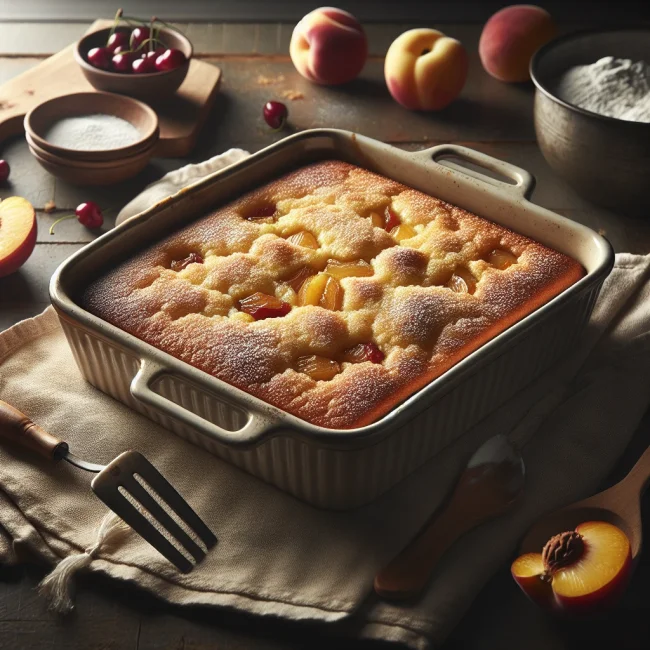
Traditional Dump Cake
Discover the timeless delight of the Traditional Dump Cake, a simple and scrumptio...
View RecipeFrequently Asked Questions
- Can I use regular flour instead of bread flour?
- Yes, but the bread might be a bit denser since bread flour has more protein, which helps with structure.
- How do I store this bread?
- Keep it in a bread box or wrap it in a clean kitchen towel at room temperature. It should stay fresh for several days.
Serving Ideas for Danish Rye Bread
Try serving Danish Rye Bread with a spread of cream cheese and smoked salmon for a classic Scandinavian snack. It's also fantastic with a hearty soup or stew, where the dense texture can soak up all the delicious broth. For a sweet twist, slather on some butter and honey.
More Breads & Baked Goods Recipes

Traditional Italian Easter Bread
Savor the delightful taste of a classic Italian Easter bread, a sweet, soft, and s...
View Recipe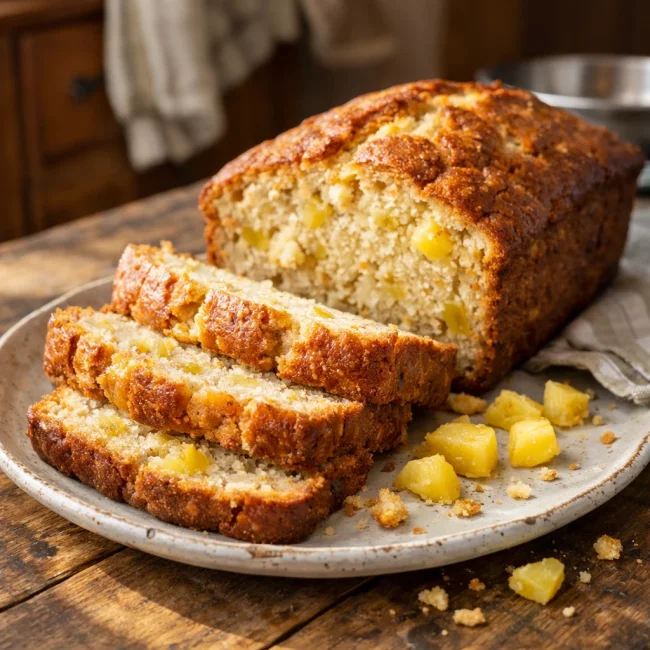
Old-Fashioned Pineapple Bread
A delightful and flavorful bread infused with juicy pineapple, perfect for breakfa...
View Recipe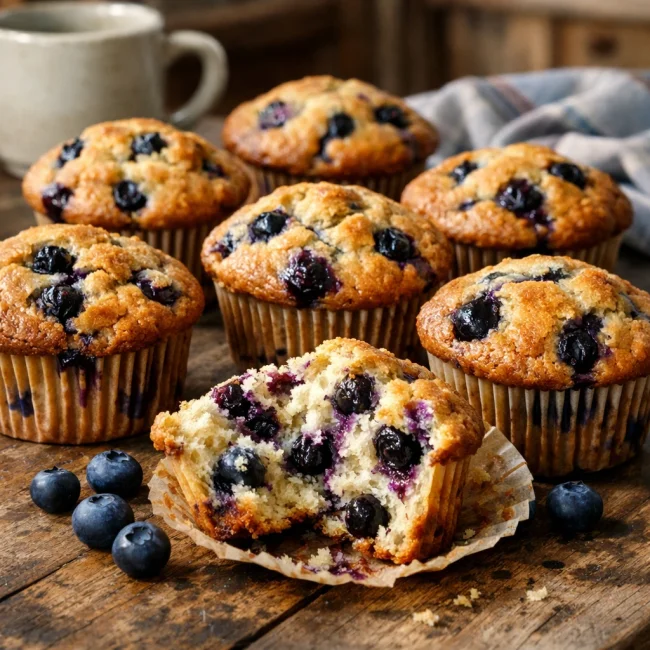
Old-Fashioned Blueberry Muffins
Transport yourself to simpler times with these delightful old-fashioned blueberry ...
View Recipe
Strawberry Basil Scones
These tender scones combine the sweetness of fresh strawberries with a hint of pep...
View Recipe