
Danish Frikadeller with Red Cabbage
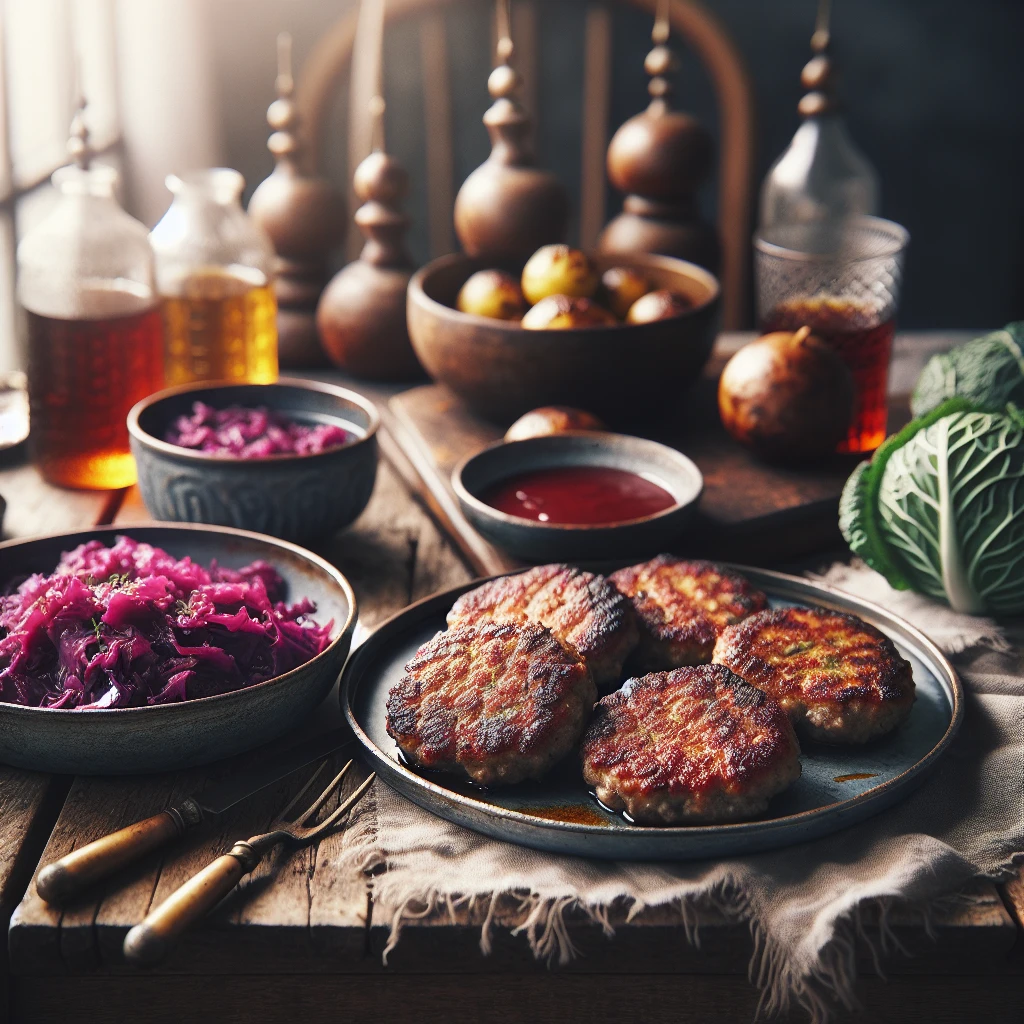
Welcome to the delightful world of Danish cuisine! Today, we're making Frikadeller, a traditional Danish meatball, paired with sweet and tangy red cabbage. This comforting dish is perfect for a cozy dinner, bringing a touch of Scandinavian charm to your table.
 Share
Share
This post may contain affiliate links. As an Amazon Associate, we earn from qualifying purchases.
Ingredients for Danish Frikadeller with Red Cabbage
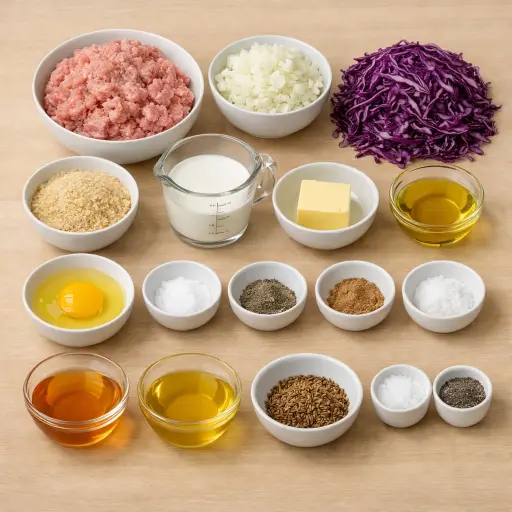
Ground pork provides a rich, savory base for the Frikadeller, offering just the right amount of fat for juicy meatballs. Onion adds a subtle sweetness and moisture, while breadcrumbs help bind everything together. A splash of milk keeps the mixture tender, and an egg acts as an additional binder. Season with salt, pepper, and a hint of nutmeg for warmth.
For the red cabbage, start with a small red cabbage, which is the star of the side dish. The combination of apple cider vinegar and apple juice lends a tangy sweetness, while sugar balances the acidity. Caraway seeds add a hint of earthiness, and don't forget to season with salt and pepper to taste.
Why This Danish Frikadeller with Red Cabbage Works
When the pork, onion, breadcrumbs, milk, egg, and spices are mixed, the breadcrumbs soak up the milk and some of the meat juices. They swell a bit and spread through the pork, so the patties hold together but stay soft instead of dense. The egg sets as it cooks and acts like glue, so the frikadeller keep their shape in the pan and don’t fall apart when flipped.
As the patties fry in the mix of butter and oil, the outside browns and firms up while the inside stays moist. The fat in the pork slowly melts and soaks into the breadcrumb mixture, so each patty stays juicy instead of drying out. Using medium heat gives the center time to cook through while the surface turns golden.
After the meat comes out, the same pan has browned bits and some fat left behind. The sliced red cabbage goes right into that, along with vinegar, apple juice, sugar, and caraway. Over about 20 minutes, the cabbage softens, the liquid cooks down and thickens a little, and the sharp vinegar calms down. The cabbage ends up tender and slightly sweet-sour, which matches the rich, soft frikadeller.
Danish Frikadeller with Red Cabbage Tips & Tricks
- Grate the onion finely to ensure it blends seamlessly into the meat mixture.
- For extra moisture, soak the breadcrumbs in the milk for a few minutes before adding to the mix.
- Use a meat thermometer to check that the meatballs reach an internal temperature of 160°F to ensure they're cooked through.
- Keep the Frikadeller warm in a low oven while you prepare the cabbage.
Mistakes To Avoid
Packing the meat mixture too tightly when shaping the frikadeller makes the patties dense and tough. The meat can’t relax as it cooks, so instead of staying soft and a bit springy, the patties turn out heavy and slightly rubbery in the center.
Cooking the patties over high heat from the start often burns the outside while the middle stays undercooked. The crust goes dark and hard before the heat has time to move into the center, so the meat either stays pink inside or has to be cooked so long it dries out.
Adding a lot more breadcrumbs than listed quickly dries out the mixture. The crumbs soak up the milk and the juices from the pork, so the patties lose moisture in the pan and end up crumbly instead of holding together in tender bites.
Throwing the cabbage into a dry, very hot pan before the liquids go in can scorch the edges. The thin slices catch and brown in spots, and instead of turning evenly soft, the cabbage has burnt bits and some strands that stay a little tough.
Equipment Used:
Ingredients
- 1 lb ground pork
- 1 small onion, finely chopped
- 1/2 cup breadcrumbs
- 1/4 cup milk
- 1 egg
- 1 tsp salt
- 1/2 tsp ground black pepper
- 1/4 tsp ground nutmeg
- 1 tbsp butter
- 1 tbsp olive oil
- 1 small red cabbage, thinly sliced
- 1/4 cup apple cider vinegar
- 1/4 cup apple juice
- 2 tbsp sugar
- 1/2 tsp caraway seeds
- Salt and pepper to taste
Step-by-step Instructions
- 1. In a large bowl, combine ground pork, chopped onion, breadcrumbs, milk, egg, salt, pepper, and nutmeg. Mix until well combined.
- 2. Shape the mixture into small patties, about 3 inches in diameter.
- 3. Heat butter and olive oil in a large skillet over medium heat.
- 4. Fry the patties in the skillet for 4-5 minutes on each side, until golden brown and cooked through.
- 5. Remove patties from the skillet and keep warm.
- 6. In the same skillet, add sliced red cabbage, apple cider vinegar, apple juice, sugar, and caraway seeds.
- 7. Cook over medium heat, stirring occasionally, until the cabbage is tender and the liquid has reduced, about 20 minutes.
- 8. Season the cabbage with salt and pepper to taste.
- 9. Serve the Frikadeller warm with the red cabbage on the side.
Trending Now
Oven-Baked Pork Chops
Enjoy a delightful dinner with these tender and juicy oven-baked pork chops, seaso...
View Recipe
Traditional Corn Casserole
A delightful corn casserole dish that embodies the comforting flavors of sweet cor...
View Recipe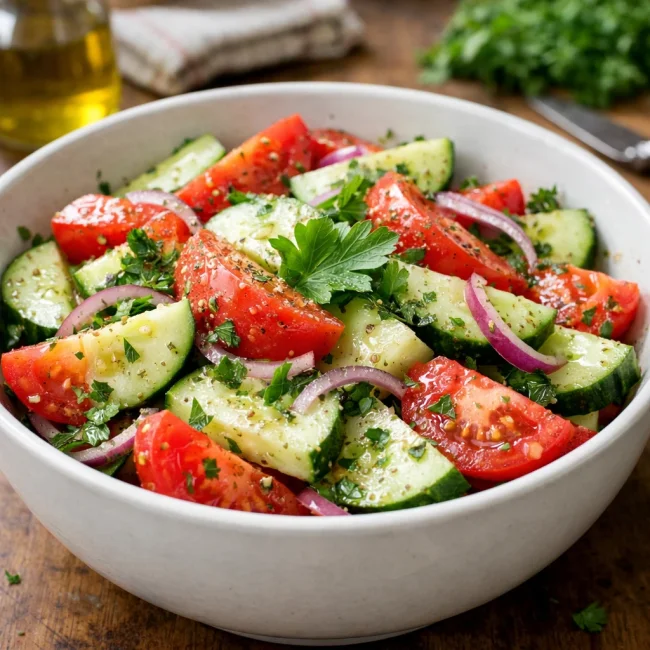
Traditional Cucumber and Tomato Salad
A refreshing and simple salad combining crisp cucumbers and juicy tomatoes, season...
View Recipe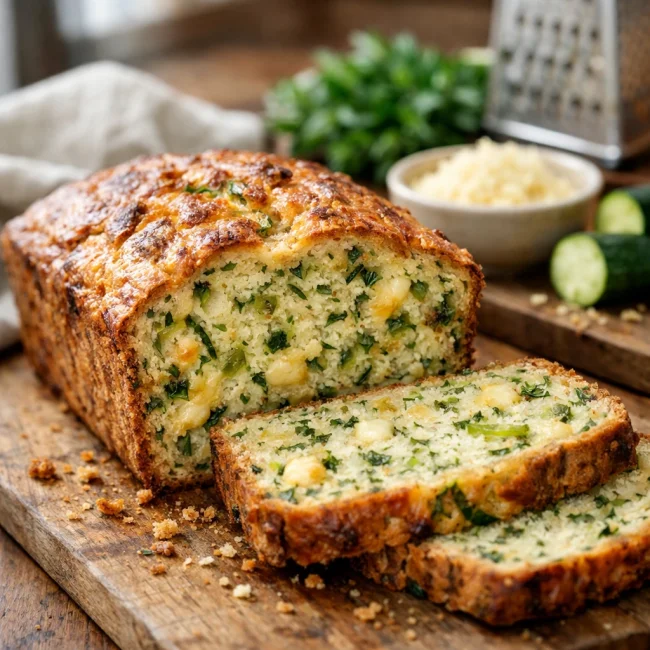
Savory Zucchini Bread
Savory Zucchini Bread is a delectable twist on traditional zucchini recipes, combi...
View RecipeFrequently Asked Questions
- Can I use a different type of meat?
- Yes, you can substitute with ground beef or a mix of pork and beef for a different flavor profile.
- How do I store leftovers?
- Store the cooked Frikadeller and cabbage in separate airtight containers in the fridge for up to 3 days. Reheat gently on the stove or in the microwave.
- Can I freeze the Frikadeller?
- Yes, freeze the cooked Frikadeller in a single layer on a baking sheet, then transfer them to a freezer bag. They can be reheated directly from frozen.
Serving Ideas for Danish Frikadeller with Red Cabbage
Frikadeller pairs wonderfully with boiled potatoes or a rustic rye bread. A dollop of creamy mustard or a side of lingonberry jam can add an extra layer of flavor. For a complete meal, consider adding a simple green salad to balance the richness.
More Main Dishes Recipes
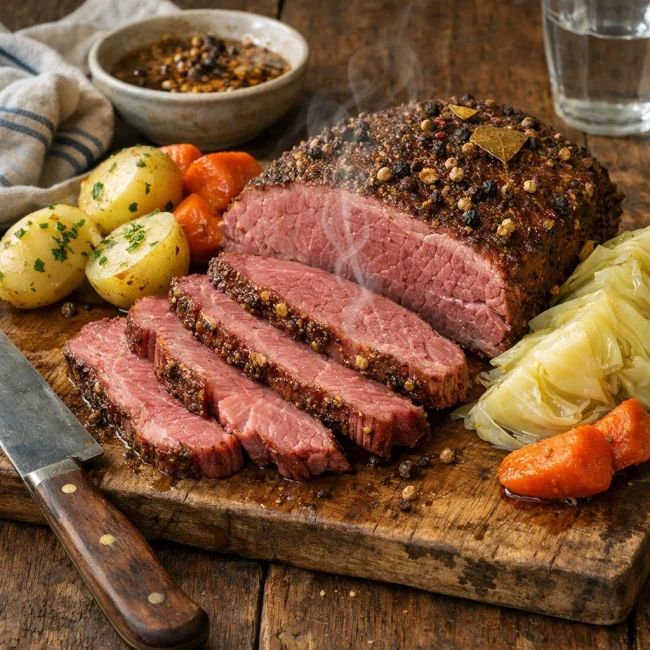
Unique Homemade Corned Beef
Discover the ultimate homemade corned beef recipe that balances rich flavors and t...
View Recipe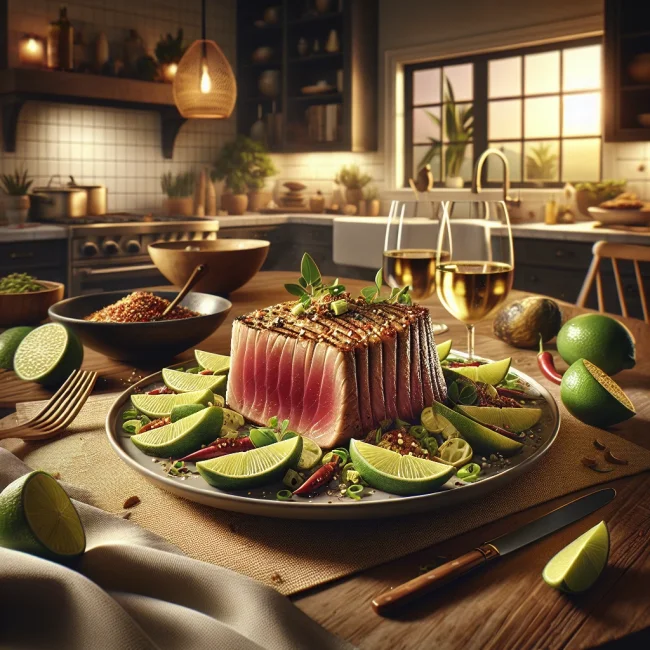
Spicy Lime Seared Ahi Tuna
Experience a burst of flavor with our Spicy Lime Seared Ahi Tuna, a perfect fusion...
View Recipe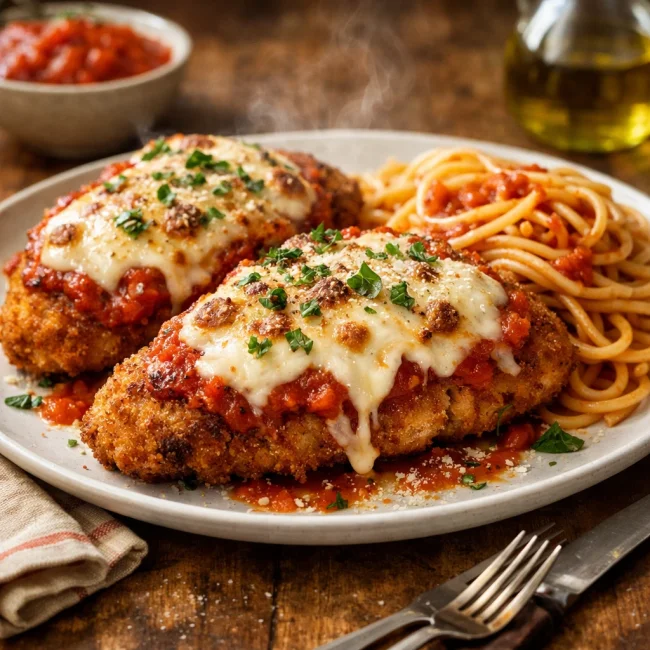
Traditional Chicken Parmesan
Savor the authentic taste of Italian cuisine with our Traditional Chicken Parmesan...
View Recipe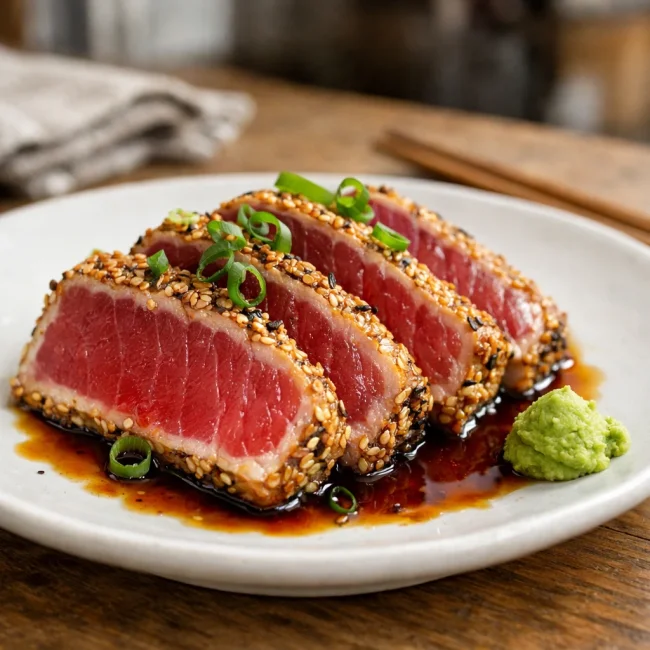
Seared Ahi Tuna
Experience the sublime taste of seared Ahi tuna, a Japanese-inspired dish that hig...
View Recipe