
Coconut Mango Sago Pudding
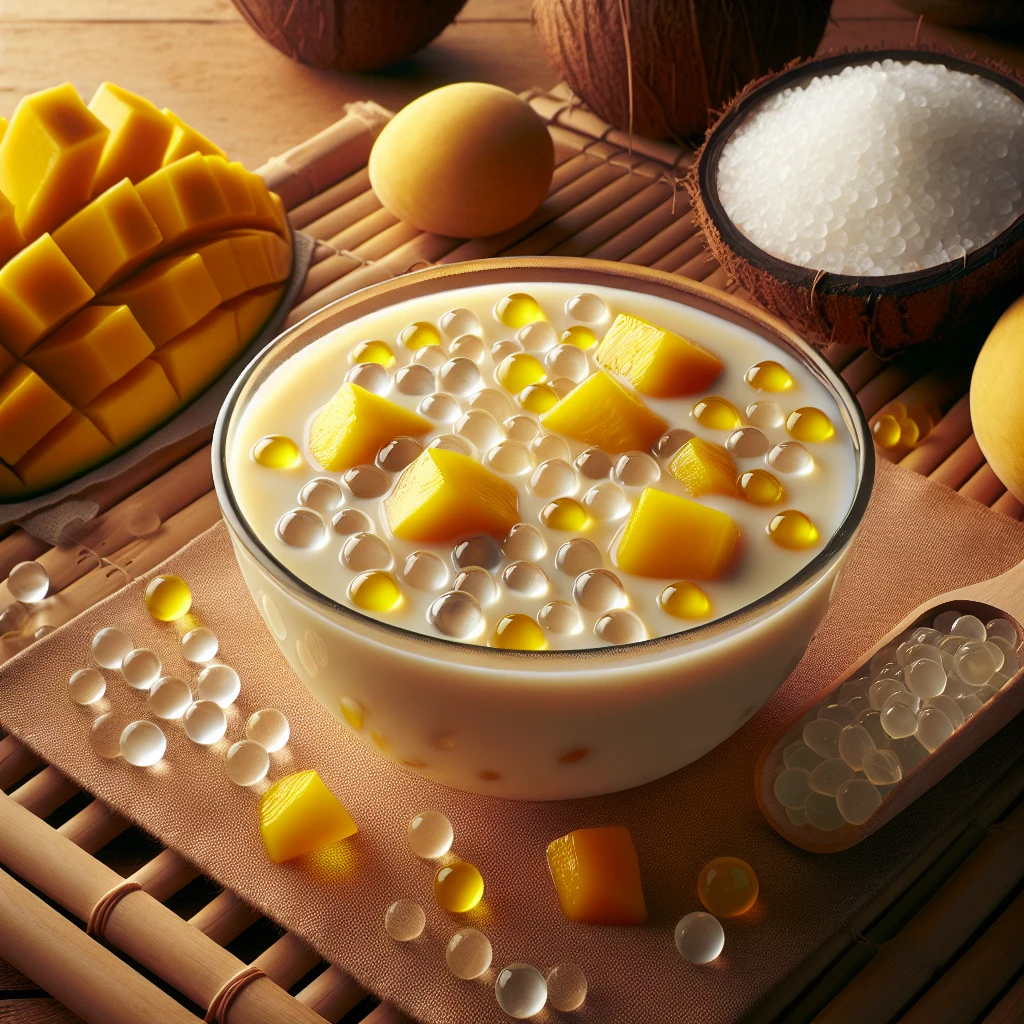
Coconut Mango Sago Pudding is a delightful fusion of creamy coconut, chewy sago pearls, and juicy mango. This refreshing dessert is perfect for warm weather and is sure to transport your taste buds to a tropical paradise.
 Share
Share
This post may contain affiliate links. As an Amazon Associate, we earn from qualifying purchases.
Ingredients for Coconut Mango Sago Pudding
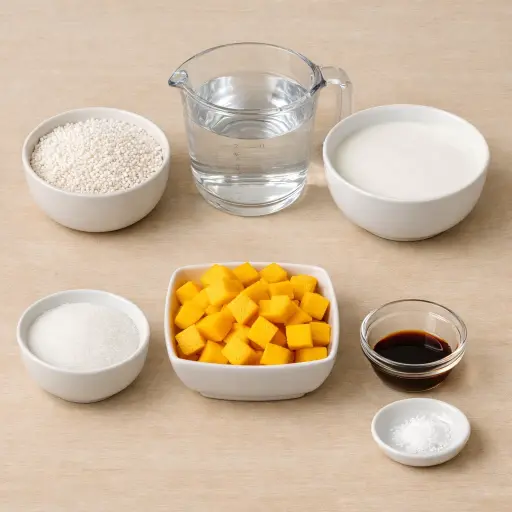
Sago pearls are the star of this dessert, providing a unique chewy texture that pairs beautifully with the creamy elements. Coconut milk adds richness and a tropical flair, while the granulated sugar sweetens the mixture without overpowering it. A ripe mango brings natural sweetness and a burst of fruity flavor. A touch of vanilla extract enhances the overall aroma, and a pinch of salt helps to balance the flavors.
Why This Coconut Mango Sago Pudding Works
During cooking, the small sago pearls soak up the boiling water and swell. They start out white and hard, then slowly become clear and bouncy. That change means the starch inside has cooked and set, so the pearls stay chewy instead of mushy. Rinsing them under cold water washes off extra starch on the outside, so they don’t clump together later.
As the coconut milk warms with the sugar, salt, and vanilla, the sugar fully dissolves and the liquid turns smooth and even. Once the cooked sago goes into the warm coconut milk, the pearls sit in that liquid and hold it inside. While the pudding cools in the fridge, the starch in the sago firms up more and the coconut milk thickens around it, so the pudding sets into a creamy, spoonable texture.
When the cold pudding is topped with fresh mango, the soft, chilled coconut sago contrasts with the juicy fruit, instead of everything blending into one texture.
Coconut Mango Sago Pudding Tips & Tricks
- Rinse the sago pearls thoroughly to prevent them from becoming gummy.
- Use a ripe mango for the best flavor — it should be fragrant and slightly soft to the touch.
- Chill the pudding well for the best texture and flavor.
Mistakes To Avoid
Letting the sago cook too long turns the pearls mushy and broken instead of round and bouncy. In the finished pudding, this makes the texture pasty and glue-like instead of having little chewy bits suspended in the coconut base.
Taking the sago off the heat too early leaves white dots in the center of each pearl. Those hard centers never soften later, so the pudding ends up with gritty, chalky bites mixed into the otherwise smooth mixture.
Skipping the cold rinse after boiling the sago means the extra starch stays on the pearls. In the bowl, the pudding thickens into a gummy mass as it chills, and the pearls clump together instead of spreading evenly.
Boiling the coconut milk mixture or heating it too high can cause it to separate and form an oily layer. Once that happens, the pudding sets with a slightly curdled look and a greasy feel on the tongue instead of a smooth, creamy texture.
Adding the mango too early into the warm mixture makes the fruit soften and leak a lot of juice. The chunks lose their fresh, firm bite, and the pudding can turn watery around the fruit instead of having clear, bright pieces on top.
Equipment Used:
Ingredients
- 1/2 cup small sago pearls
- 2 cups water
- 1 1/2 cups coconut milk
- 1/4 cup granulated sugar
- 1 ripe mango, diced
- 1/2 teaspoon vanilla extract
- Pinch of salt
Step-by-step Instructions
- 1. Rinse the sago pearls under cold water.
- 2. In a medium pot, bring 2 cups of water to a boil. Add the sago pearls and cook for 10-15 minutes until they become translucent, stirring occasionally.
- 3. Drain and rinse the cooked sago under cold water to remove excess starch.
- 4. In another pot, combine coconut milk, sugar, vanilla extract, and salt. Heat on low, stirring until sugar dissolves.
- 5. Add the cooked sago pearls to the coconut milk mixture and stir well.
- 6. Let the mixture cool to room temperature, then refrigerate for at least 1 hour.
- 7. Serve chilled, topped with fresh diced mango.
Trending Now
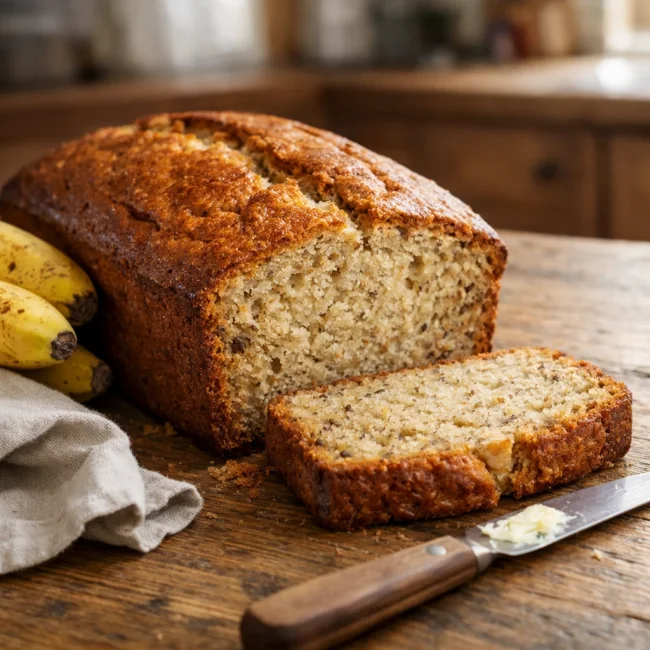
Classic Banana Bread
Classic Banana Bread is a timeless dessert beloved for its moist texture and sweet...
View Recipe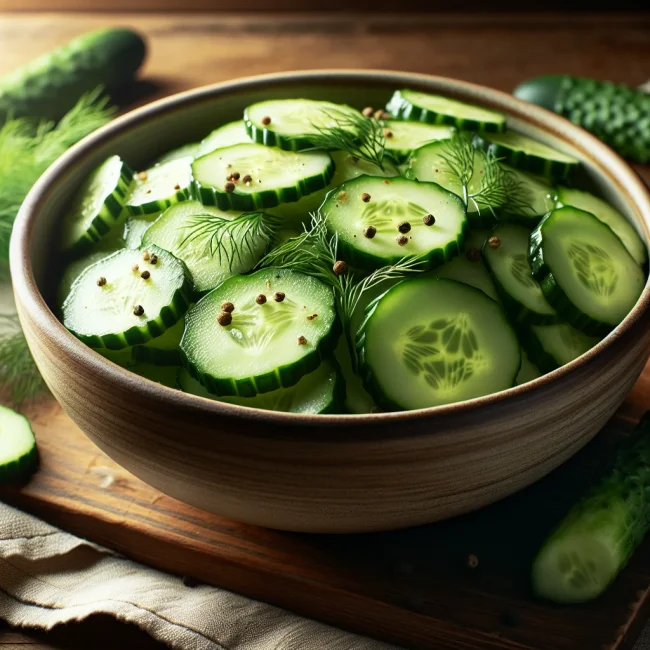
Classic Cucumber Salad
A refreshing and light cucumber salad featuring crisp cucumbers and a tangy vinaig...
View Recipe
Zesty Summer Squash Casserole
This delightful summer squash casserole combines vibrant garden-fresh vegetables w...
View Recipe
Traditional Dump Cake
Discover the timeless delight of the Traditional Dump Cake, a simple and scrumptio...
View RecipeFrequently Asked Questions
- Can I use tapioca pearls instead of sago?
- Yes, you can substitute tapioca pearls, but note that the texture might be slightly different.
- How long does this pudding keep in the fridge?
- It can be stored for up to 2 days in an airtight container.
- Can I use frozen mango?
- Fresh mango is recommended for the best flavor, but thawed frozen mango can work in a pinch.
Serving Ideas for Coconut Mango Sago Pudding
This pudding is delightful on its own but can be elevated with a sprinkle of toasted coconut flakes or a few fresh mint leaves on top. For a bit of extra flair, consider serving it in clear glasses to show off the layers of mango and pudding.
More Desserts Recipes
Rustic Vanilla Peach Cobbler
This rustic vanilla peach cobbler combines a rich, buttery crust with the sweet, v...
View Recipe
Traditional Lemon Curd
A classic, tangy lemon curd that is perfect for enhancing desserts, breakfast dish...
View Recipe
Traditional Cream Cheese Pie
A delightful and timeless dessert, Traditional Cream Cheese Pie offers a rich and ...
View Recipe
Timeless Cream Puff Delight
Indulge in a delectable Timeless Cream Puff Delight, a classic dessert featuring a...
View Recipe