
Classic Scrambled Eggs
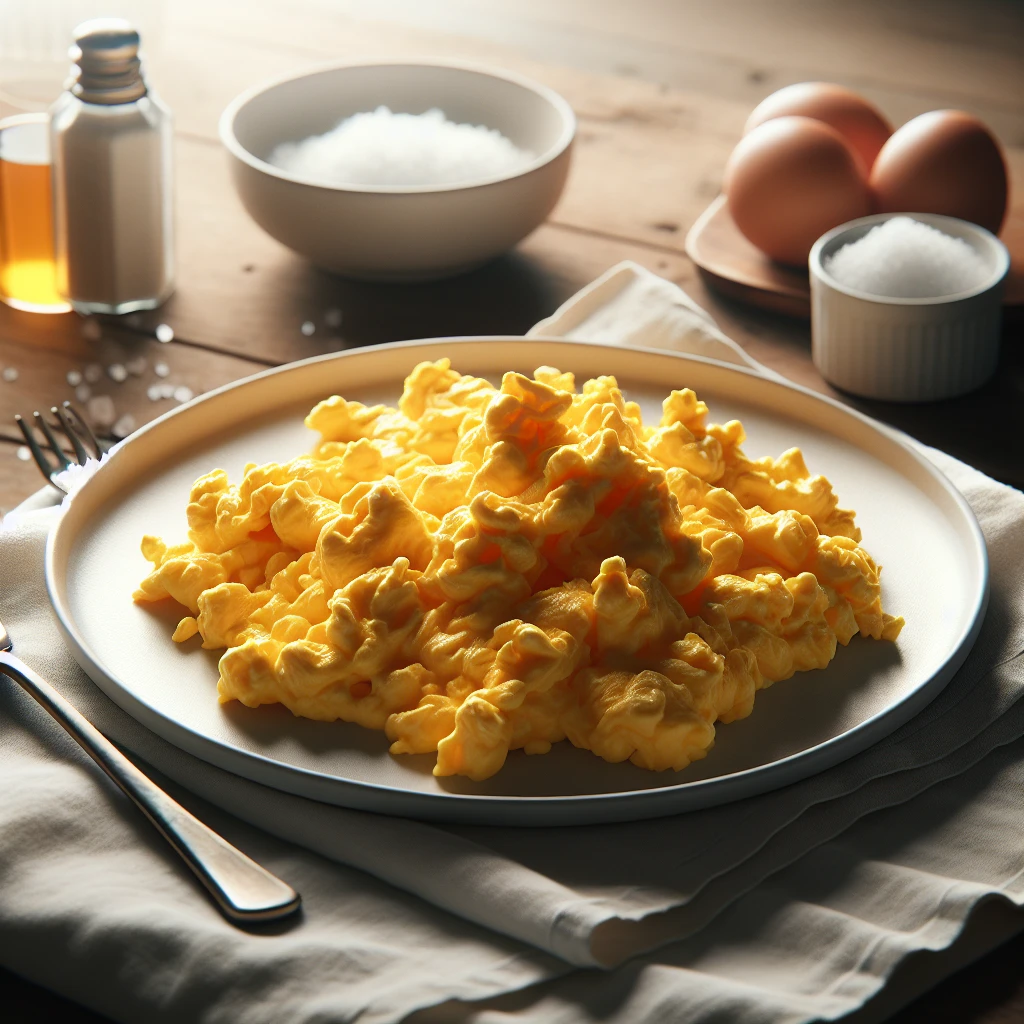
There's something timeless about a plate of Classic Scrambled Eggs. Perfect for any day, this recipe is all about achieving that creamy, fluffy texture that makes breakfast feel extra special.
 Share
Share
This post may contain affiliate links. As an Amazon Associate, we earn from qualifying purchases.
Ingredients for Classic Scrambled Eggs
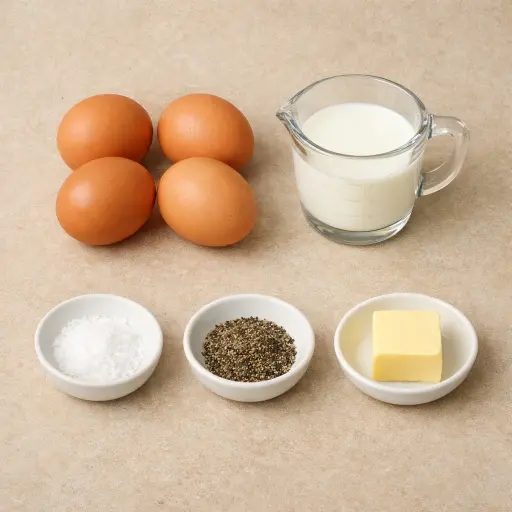
Let's break down these humble ingredients. Starting with the star: eggs. Eggs are the foundation, providing richness and a soft, creamy texture when cooked just right. The whole milk is added to enhance the creaminess and make the eggs a little more indulgent. A touch of salt brings out the natural flavors of the eggs, while a dash of black pepper adds a subtle kick. Lastly, unsalted butter is not just for cooking; it also adds a lovely, rich flavor that complements the eggs beautifully.
Why This Classic Scrambled Eggs Works
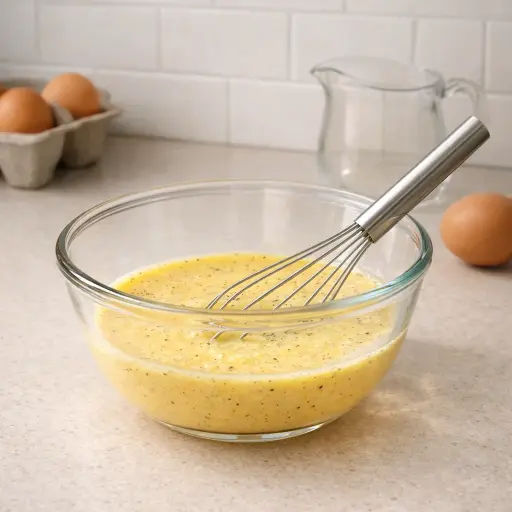
Once the eggs and milk are whisked together, the whites and yolks blend into one smooth liquid. The milk thins the eggs a bit and adds extra moisture, so they don’t dry out in the pan. Salt and pepper spread through the bowl at this point, so every bite tastes the same instead of having salty spots.
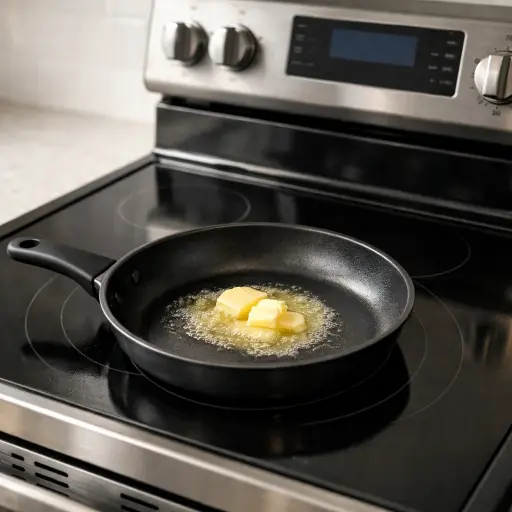
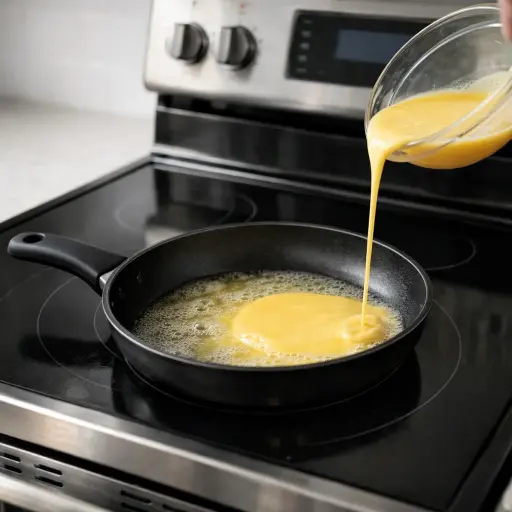
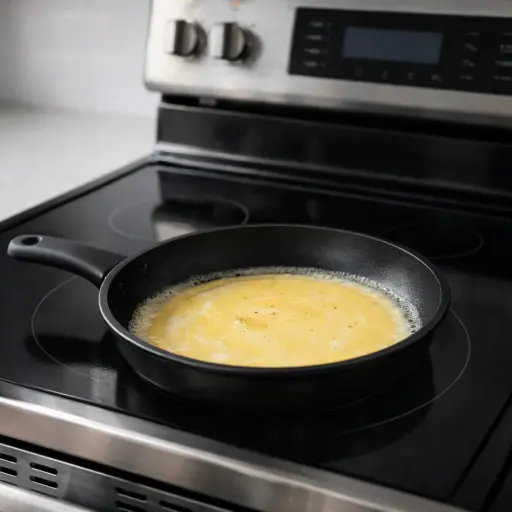
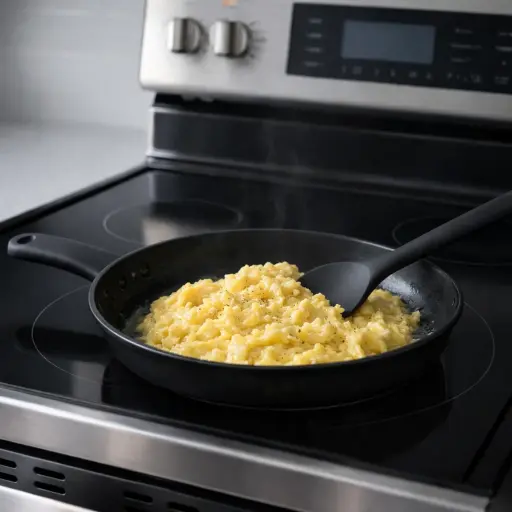
As the pan warms over medium-low heat, the butter melts and coats the bottom. That thin layer of fat keeps the eggs from sticking and also cushions them from the direct heat, so they cook gently instead of seizing up and going rubbery. When the egg mixture first hits the pan, the edges start to set while the center is still loose.
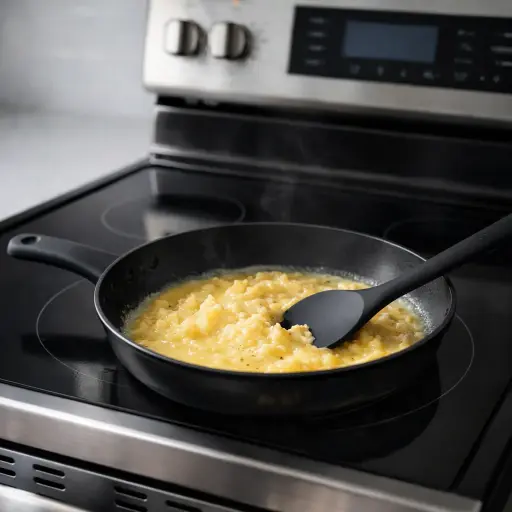
During the slow stirring, soft curds form as the liquid eggs slowly firm up. Moving the eggs from the edges toward the center keeps any one spot from cooking too fast. By taking the pan off the heat while the eggs are still a little runny, the leftover heat in the pan finishes the cooking. The eggs stay soft, moist, and creamy instead of dry.
Classic Scrambled Eggs Tips & Tricks
- Use a non-stick skillet to prevent the eggs from sticking and to make cleaning a breeze.
- Whisk the eggs thoroughly to avoid streaks and ensure a consistent texture.
- Cook on low heat for a creamy texture; high heat can make the eggs rubbery.
Mistakes To Avoid
Letting the eggs cook over medium or high heat quickly makes them tough and rubbery. The outside sets fast while the inside is still loose, so by the time the center looks done, the curds have dried out and lost their soft texture.
Leaving the pan on the heat until the eggs look fully cooked causes overcooking from carryover heat. Once taken off the stove, the hot pan keeps firming them up, so eggs that looked just right in the pan end up dry and crumbly on the plate.
Pouring the eggs into the skillet before the butter is fully melted and foamy leads to uneven cooking. Parts of the eggs hit hot spots and seize into hard bits while other areas stay thin and undercooked.
Whisking only a little so the yolks and whites are still streaky creates patches that cook at different speeds. Some bites end up with firm, bouncy white while other parts stay softer, instead of one even, creamy texture.
Equipment Used:
Ingredients
- 4 large eggs
- 1/4 cup whole milk
- 1/4 teaspoon salt
- 1/8 teaspoon black pepper
- 1 tablespoon unsalted butter
Step-by-step Instructions
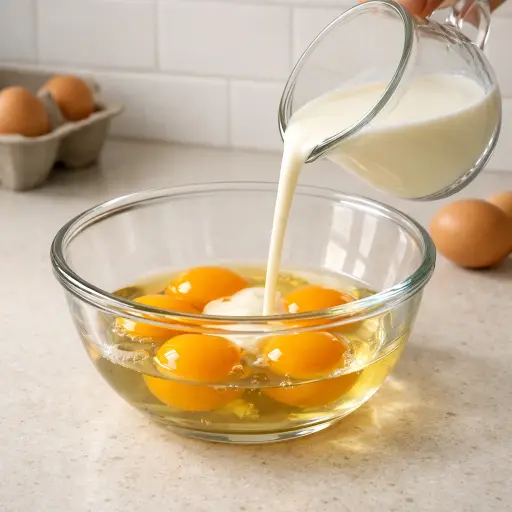
- 1. Crack the eggs into a mixing bowl and add the milk.
- 2. Season with salt and pepper, then whisk until the mixture is well combined and the egg whites and yolks are fully incorporated.
- 3. Heat a non-stick skillet over medium-low heat and add the butter.
- 4. Once the butter has melted and begins to foam, pour the egg mixture into the skillet.
- 5. Let the eggs sit undisturbed for a few moments until they begin to set around the edges.
- 6. Using a spatula, gently stir the eggs, pushing them from the edges to the center and forming soft curds.
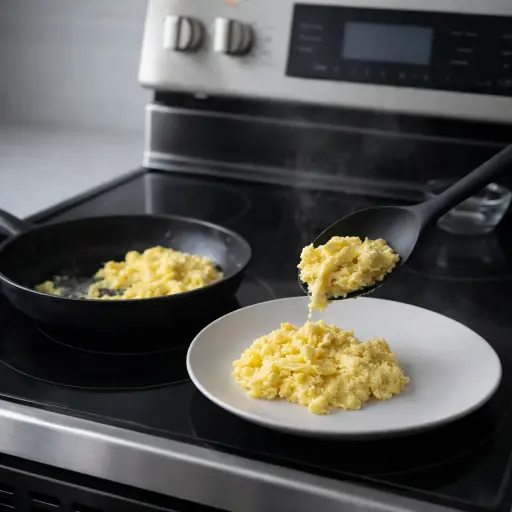
- 7. Continue cooking, stirring gently, until the eggs are just set but still slightly runny, then remove from heat as they will continue to cook with residual heat.
- 8. Serve immediately for optimal taste and texture.
Trending Now
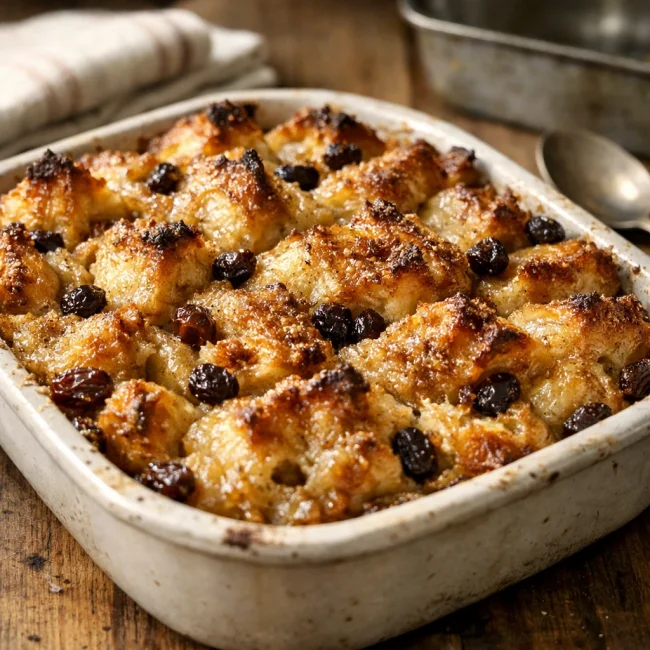
Old-Fashioned Bread Pudding
Discover the classic charm of Old-Fashioned Bread Pudding - a timeless dessert com...
View Recipe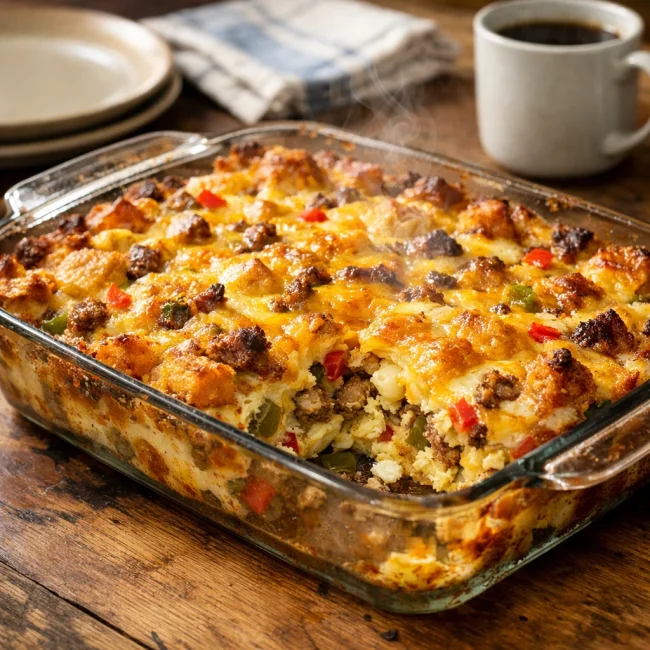
Hearty Breakfast Casserole
This Hearty Breakfast Casserole is the quintessential morning dish, combining savo...
View Recipe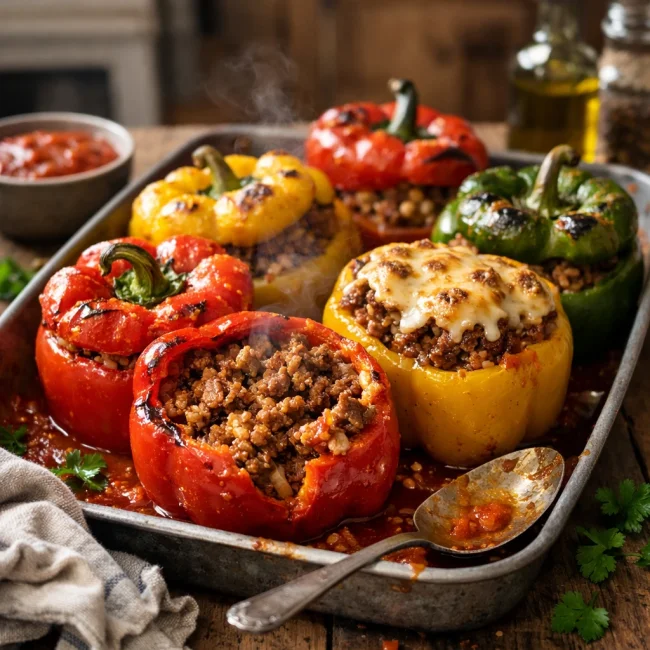
Traditional Stuffed Peppers
Explore the delightful blend of seasoned beef, rice, and tomato sauce nestled in v...
View Recipe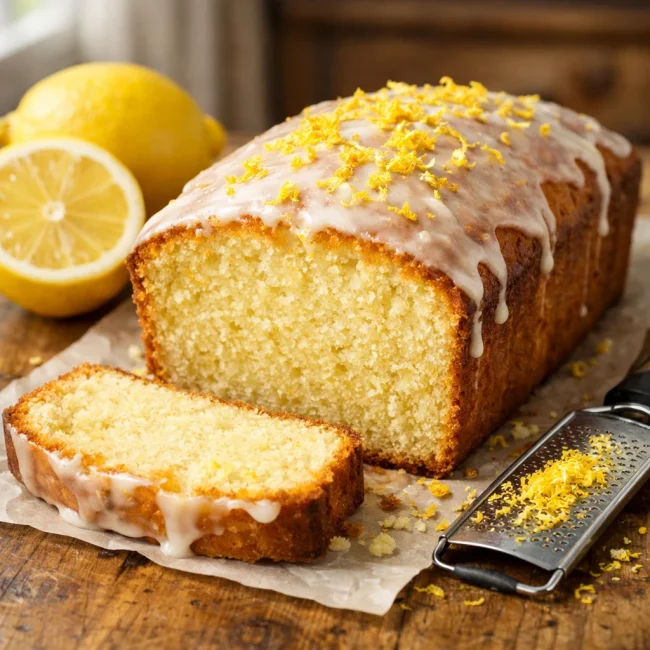
Traditional Lemon Pound Cake
A delightful and moist traditional lemon pound cake infused with the fresh zest an...
View RecipeFrequently Asked Questions
- Can I use a different type of milk?
- Yes, you can substitute whole milk with any milk or milk alternative, though it might slightly alter the texture.
- How do I know when my eggs are done?
- Look for a creamy consistency with a slight sheen on top. They should be just set but not dry.
Serving Ideas for Classic Scrambled Eggs
These scrambled eggs are perfect on their own, but you can elevate your breakfast by serving them with freshly baked croissants or a slice of toasted sourdough. For a pop of color and freshness, add a handful of chopped chives or parsley on top.
More Breakfast & Brunch Recipes
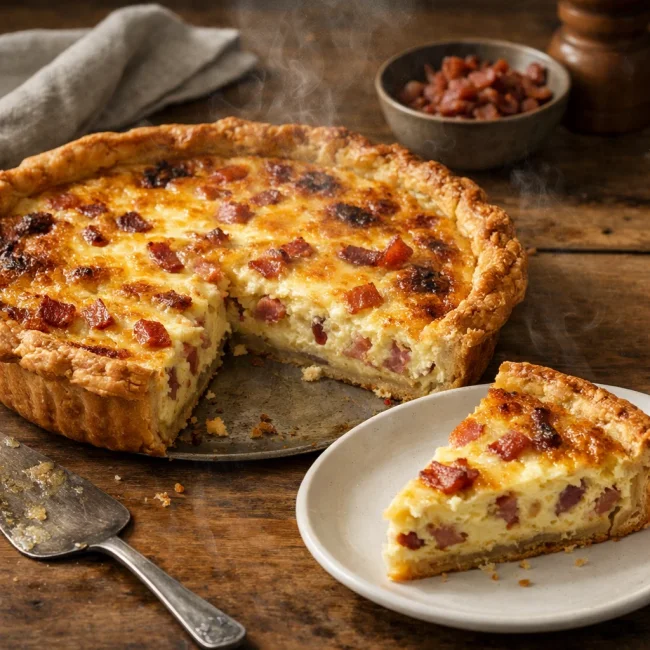
Traditional Quiche Lorraine
Experience the classic French Quiche Lorraine, a savory pie with a flaky crust fil...
View Recipe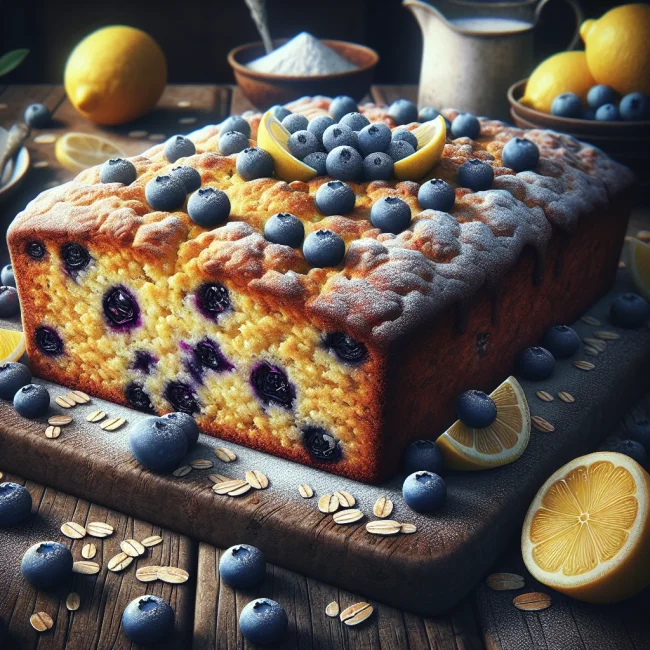
Lemon-Blueberry Oat Coffee Cake
This Lemon-Blueberry Oat Coffee Cake is a delightful twist on the traditional favo...
View Recipe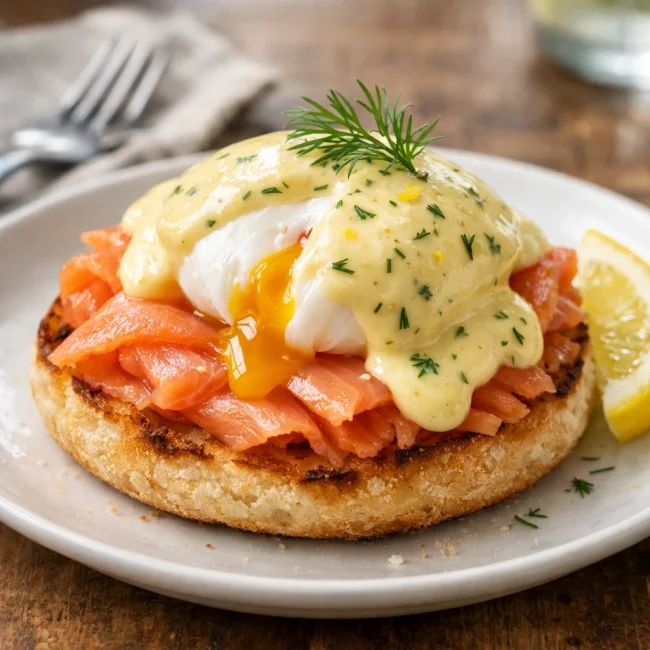
Smoked Salmon Benedict
A luxurious twist on the classic Eggs Benedict, featuring smoked salmon and a zest...
View Recipe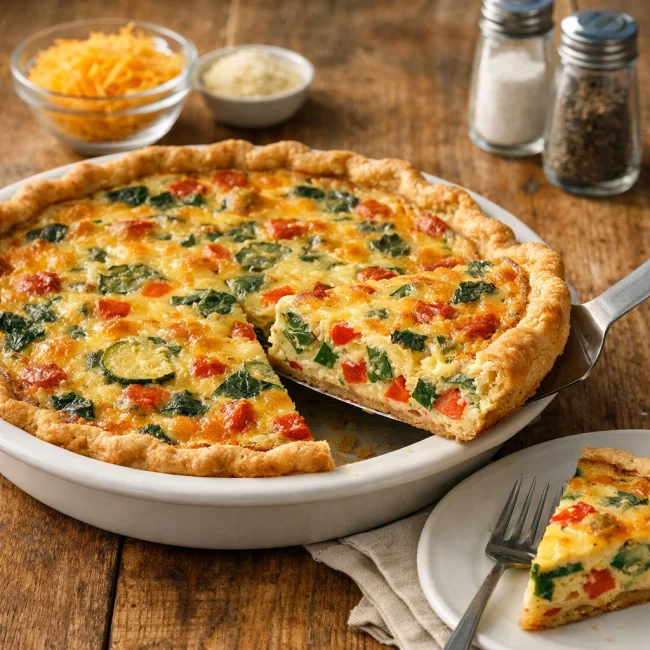
Savory Garden Veggie Quiche
A delightful and easy-to-make quiche filled with garden-fresh vegetables, perfect ...
View Recipe