
Classic Rib Eye Roast
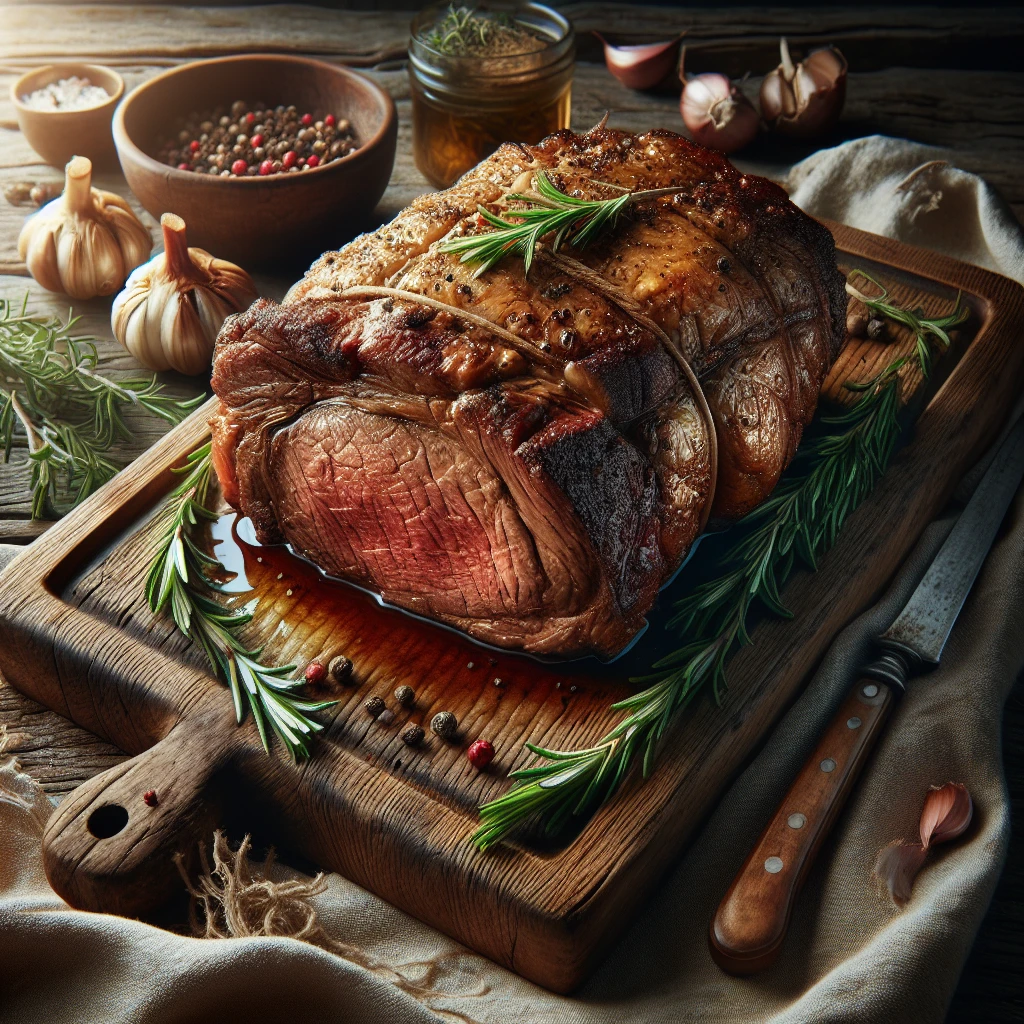
If you're hankering for a hearty meal that's bound to impress, a Classic Rib Eye Roast is your go-to. This recipe's combination of savory herbs and a perfect crust makes it a star at any dinner table. Let's dive into the details.
 Share
Share
This post may contain affiliate links. As an Amazon Associate, we earn from qualifying purchases.
Ingredients for Classic Rib Eye Roast
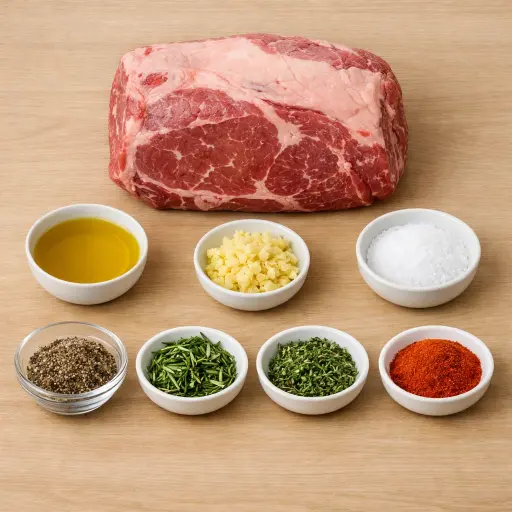
The star of the show is the rib eye roast, known for its rich marbling, which ensures a juicy bite. The olive oil helps the herbs and spices stick to the meat and aids in developing a beautiful crust. Garlic brings a pungent, aromatic flavor that permeates the roast. The salt and black pepper are essential for seasoning, enhancing the meat's natural flavors. Rosemary and thyme add earthy, aromatic notes, while smoked paprika gives a subtle smoky depth to the crust.
Why This Classic Rib Eye Roast Works
In the hot oven, the outside of the rib eye roast browns fast. That first blast of 450°F heat makes the surface tighten and form a crust. As it browns, the fat on the outside starts to melt and coat the meat, so the edges stay juicy instead of drying out. The garlic and herbs stuck in the olive oil rub cling to that crust, so they don’t fall off and burn on the pan.
After the temperature drops to 325°F, the inside of the roast warms up slowly. During this time, the fat inside the rib eye begins to melt and spread through the meat. That melted fat keeps the roast tender while the center gently comes up to 135°F. By the time it reaches that point, the outside is well browned, but the middle is still pink and moist.
Once the roast comes out of the oven and rests, the hot juices stop rushing around and settle back into the meat. Cutting it too soon would let those juices run onto the board, but waiting lets each slice stay juicy.
Classic Rib Eye Roast Tips & Tricks
- Bring your rib eye roast to room temperature before cooking for more even roasting.
- Use a reliable meat thermometer for accuracy — it’s your best friend here.
- If you prefer a different doneness, adjust the final temperature: 125°F (52°C) for rare, 145°F (63°C) for medium.
Mistakes To Avoid
Letting the roast stay at 450°F the whole time can wreck it. The outside hardens and darkens fast while the inside keeps climbing past medium-rare, so by the time the center is done, the outer layers are dry and chewy instead of juicy.
Skipping the thermometer or poking it in near a bone often leads to wrong readings. The roast may come out looking nicely browned, but the center can end up either still cool and red in a bad way, or pushed past 135°F and gray and tight.
Carving right after it comes out of the oven causes a lot of juice to run onto the cutting board instead of staying in the meat. The slices then turn out drier and a bit tougher, even though the roast was cooked to the right temperature.
Placing the roast flat in the pan without a rack keeps the bottom sitting in its own fat and juices. That underside steams instead of roasting, so it turns out soft and a little soggy while the top crust is firm.
Equipment Used:
Ingredients
- 1 5-pound rib eye roast
- 2 tablespoons olive oil
- 4 cloves garlic, minced
- 2 teaspoons salt
- 1 teaspoon black pepper
- 1 teaspoon fresh rosemary, chopped
- 1 teaspoon fresh thyme, chopped
- 1/2 teaspoon smoked paprika
Step-by-step Instructions
- 1. Preheat your oven to 450°F (232°C).
- 2. In a small bowl, combine the olive oil, minced garlic, salt, pepper, rosemary, thyme, and smoked paprika.
- 3. Rub the mixture evenly over the entire surface of the rib eye roast.
- 4. Place the roast on a rack inside a roasting pan.
- 5. Insert a meat thermometer into the thickest part of the roast, avoiding any bones.
- 6. Roast in the preheated oven for 15 minutes.
- 7. Lower the oven temperature to 325°F (163°C) and continue roasting until the thermometer reads 135°F (57°C) for medium-rare, about 1.5 to 2 hours.
- 8. Remove the roast from the oven and let it rest for at least 20 minutes before carving.
Trending Now
Oven-Baked Pork Chops
Enjoy a delightful dinner with these tender and juicy oven-baked pork chops, seaso...
View Recipe
Traditional Corn Casserole
A delightful corn casserole dish that embodies the comforting flavors of sweet cor...
View Recipe
Traditional Cucumber and Tomato Salad
A refreshing and simple salad combining crisp cucumbers and juicy tomatoes, season...
View Recipe
Savory Zucchini Bread
Savory Zucchini Bread is a delectable twist on traditional zucchini recipes, combi...
View RecipeFrequently Asked Questions
- Can I use dried herbs instead of fresh?
- Yes, you can substitute dried herbs, but use half the amount since they're more concentrated.
- How do I store leftovers?
- Wrap leftovers tightly in aluminum foil or store in an airtight container in the fridge. They should keep well for 3-4 days.
- What if I don't have a roasting rack?
- No worries! You can use a bed of chopped vegetables like carrots, onions, and celery to elevate the roast.
Serving Ideas for Classic Rib Eye Roast
This rib eye roast pairs wonderfully with creamy mashed potatoes or a hearty root vegetable medley. A fresh green salad with a tangy vinaigrette can balance the richness of the roast. Don't forget a good red wine to complement the flavors — a Cabernet Sauvignon or Merlot works beautifully.
More Main Dishes, Roasting Recipes
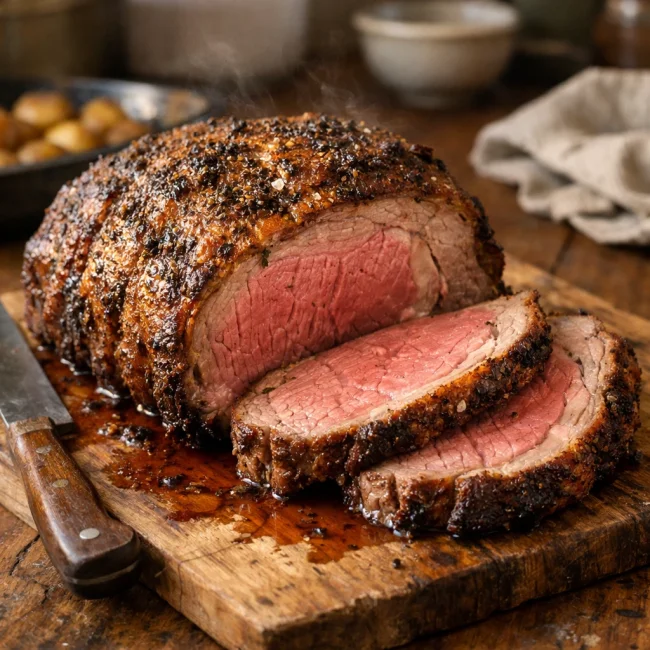
Classic Rib Eye Roast
A timeless rib eye roast recipe that delivers a succulent, flavorful dish perfect ...
View Recipe
Perfectly Roasted Chicken
A timeless roasted chicken recipe with a crispy golden-brown skin and juicy, tende...
View Recipe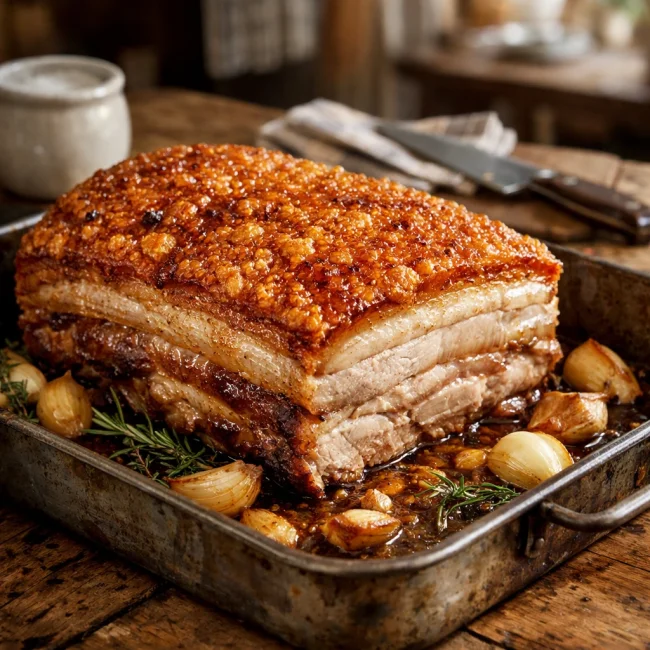
Traditional Pork Belly Roast
A delightful and savory traditional pork belly roast that promises a crispy skin a...
View Recipe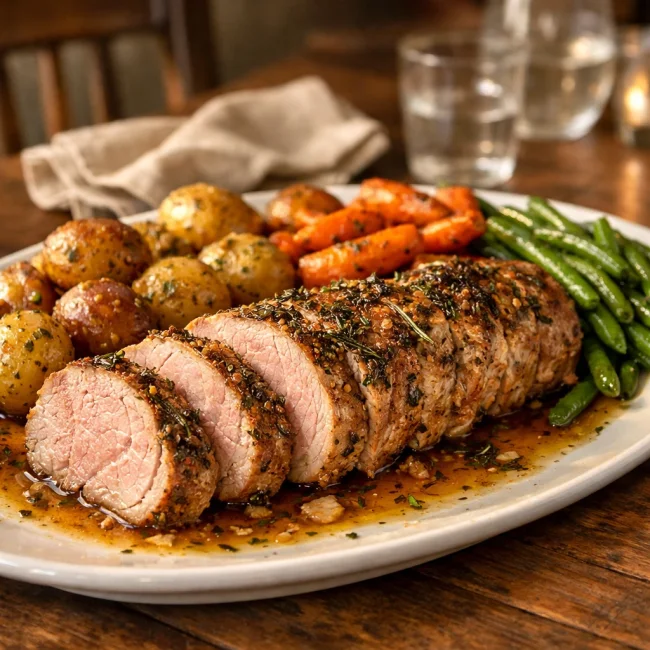
Heritage Roasted Pork Tenderloin
Savor the timeless flavor of a perfectly roasted pork tenderloin seasoned with cla...
View Recipe