
Classic Prime Rib
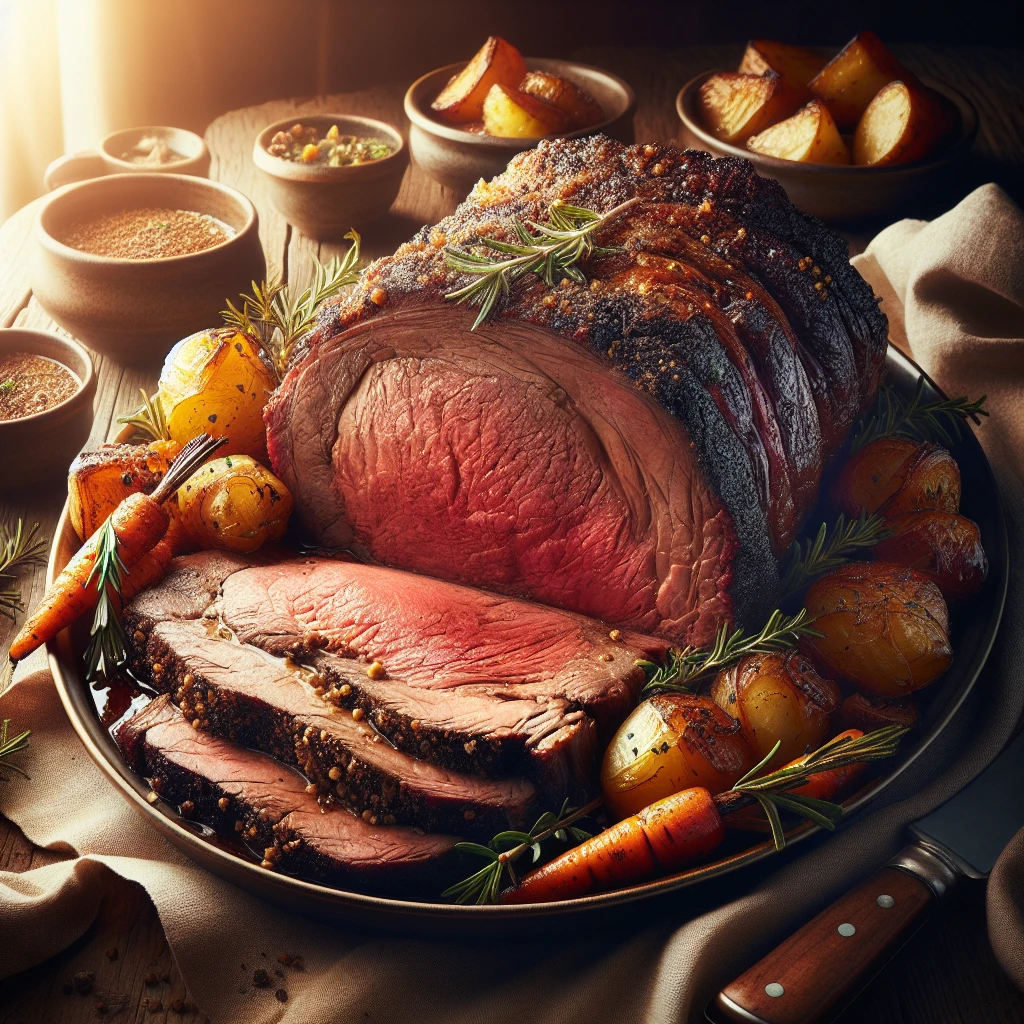
If you're looking to impress your dinner guests with a dish that screams sophistication and flavor, look no further than the classic prime rib. This recipe delivers a perfect, succulent roast with a crispy crust and juicy interior that will have everyone coming back for seconds.
 Share
Share
This post may contain affiliate links. As an Amazon Associate, we earn from qualifying purchases.
Ingredients for Classic Prime Rib
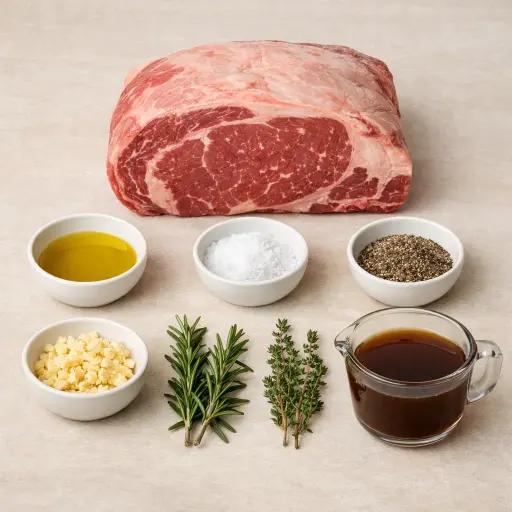
Prime rib roast serves as the centerpiece with its rich, beefy flavor and tender texture. The olive oil helps achieve that beautiful, crispy crust, while kosher salt and black pepper are essential for seasoning the meat all the way through. Minced garlic adds a nice aromatic layer, complementing the beef perfectly. Fresh rosemary and thyme bring a fragrant, earthy note, enhancing the overall flavor profile. Finally, a cup of beef broth adds moisture and depth when served over the slices.
Why This Classic Prime Rib Works
In the hot oven, the outside of the prime rib browns fast. That first blast of 450°F heat makes the fat on the surface melt and sizzle, and the meat forms a crust. Once that crust forms, it acts like a thin shell, so the juices inside the roast stay put instead of running out. The salt on the outside pulls a little moisture up, then that moisture dries and the surface firms up even more.
After the temperature drops to 325°F, the inside of the roast warms slowly. The heat moves in from the edges, so the center cooks gently and stays pink and tender. As the roast sits after coming out of the oven, the hot juices inside calm down and spread back through the meat instead of spilling out on the cutting board. The beef broth poured over the slices at the end soaks into the cut surfaces, so each piece stays moist even after carving.
Classic Prime Rib Tips & Tricks
- Always use a meat thermometer to ensure perfect doneness — guessing can lead to overcooked meat.
- Let the roast sit at room temperature for about an hour before cooking to ensure even cooking.
- Save the drippings in the pan to make a delicious gravy or au jus.
- Use a sharp knife for carving to get clean, even slices.
Mistakes To Avoid
Letting the roast stay in the oven until it “looks done” instead of checking the internal temperature often leads to dry meat. The outside browns and tightens up while the center keeps cooking past medium-rare, so the slices end up gray, chewy, and a lot less juicy.
Starting the roast in a cold or not-fully-heated 450°F oven keeps the outside from forming a good crust. The fat doesn’t sizzle right away, the surface steams instead of sears, and the roast can turn out with a soft, pale exterior and a less concentrated beefy bite.
Skipping the step of patting the roast dry leaves a wet surface that doesn’t brown well. The moisture on the outside has to evaporate first, so the crust stays thin and patchy, and the texture on the outside feels more rubbery than crisp.
Carving the roast as soon as it comes out of the oven causes a lot of juice to run out onto the cutting board. The meat hasn’t had time to relax, so the slices end up less moist, especially toward the edges.
Equipment Used:
Ingredients
- 1 (5-pound) prime rib roast
- 2 tablespoons olive oil
- 2 teaspoons kosher salt
- 1 teaspoon black pepper
- 4 cloves garlic, minced
- 2 sprigs fresh rosemary
- 2 sprigs fresh thyme
- 1 cup beef broth
Step-by-step Instructions
- 1. Preheat your oven to 450°F (232°C).
- 2. Pat the prime rib roast dry with paper towels to ensure a crispy crust.
- 3. Rub the roast with olive oil, salt, pepper, and minced garlic.
- 4. Place rosemary and thyme sprigs on top of the roast.
- 5. Place the roast on a roasting rack inside a roasting pan.
- 6. Roast for 15 minutes in the preheated oven, then reduce heat to 325°F (163°C).
- 7. Continue roasting until the internal temperature reaches 130°F (54°C) for medium-rare, about 1.5 to 2 hours.
- 8. Remove the roast from the oven and cover with aluminum foil, letting it rest for 20 minutes before carving.
- 9. Serve with beef broth poured over the slices for added moisture.
Trending Now
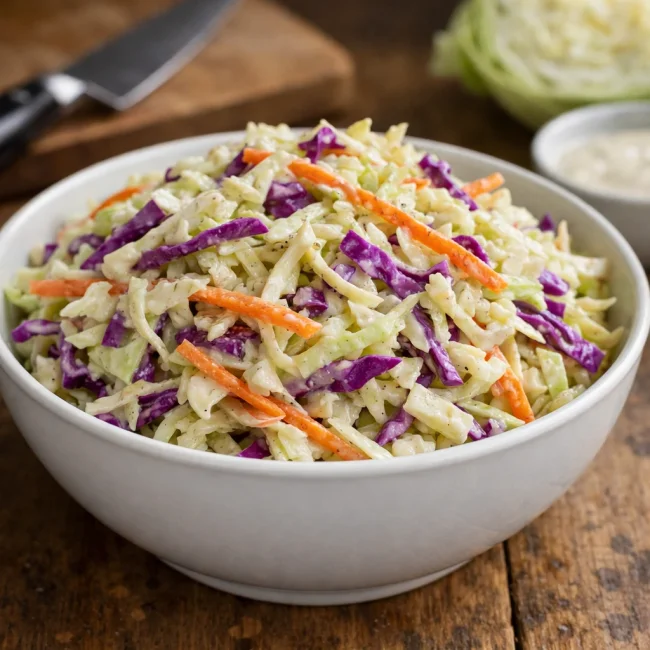
Traditional Crisp Coleslaw
A classic coleslaw recipe featuring finely shredded cabbage and carrots tossed in ...
View Recipe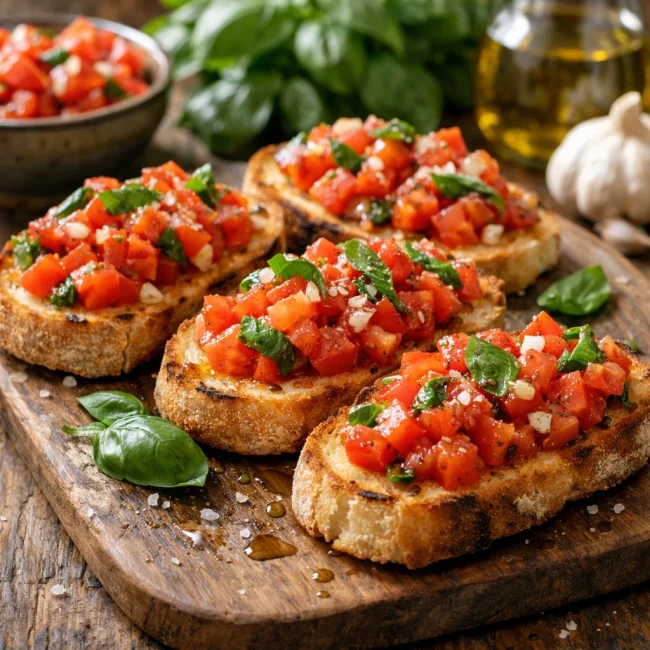
Traditional Italian Bruschetta
Experience the authentic taste of Italian bruschetta, a perfect blend of fresh tom...
View Recipe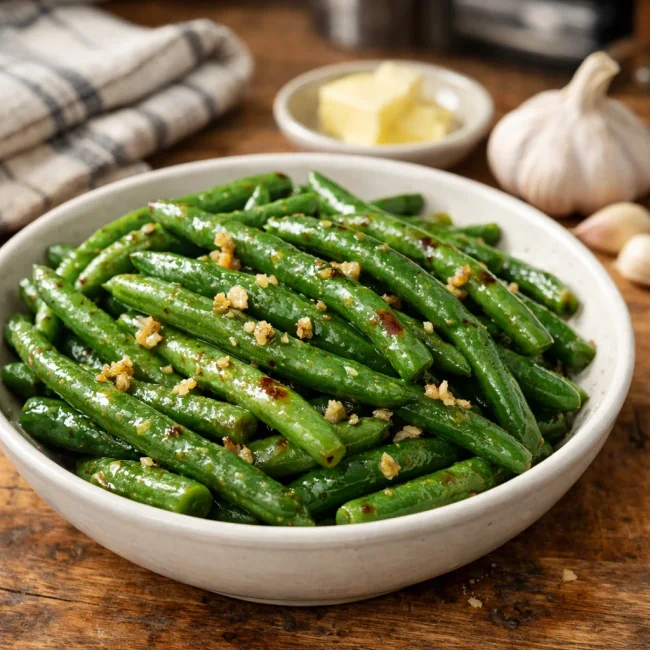
Classic Green Beans
Discover the timeless delight of Classic Green Beans, a simple yet flavorful side ...
View Recipe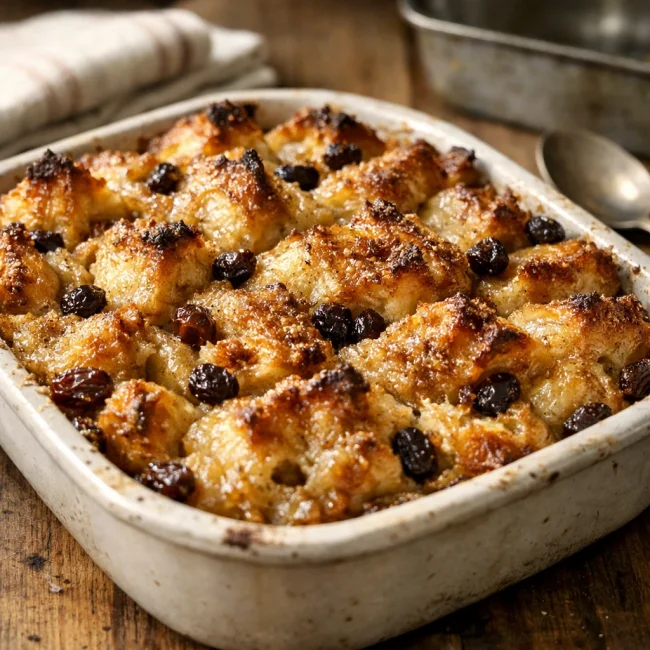
Old-Fashioned Bread Pudding
Discover the classic charm of Old-Fashioned Bread Pudding - a timeless dessert com...
View RecipeFrequently Asked Questions
- Can I use dried herbs instead of fresh?
- Yes, but fresh herbs provide a more vibrant flavor. If using dried, use about a third of the amount.
- What if I want my roast more well done?
- Simply continue to roast until the internal temperature reaches your desired level of doneness. Keep in mind that the meat will continue to cook slightly as it rests.
- How do I store leftovers?
- Wrap leftover slices tightly in aluminum foil or place them in an airtight container. Refrigerate for up to 3 days.
Serving Ideas for Classic Prime Rib
This prime rib pairs wonderfully with creamy mashed potatoes or a light, tangy arugula salad to balance the richness of the meat. A side of roasted garlic asparagus complements the flavors nicely. For a beverage, consider a robust red wine like Cabernet Sauvignon to enhance the dining experience.
More Roasting Recipes
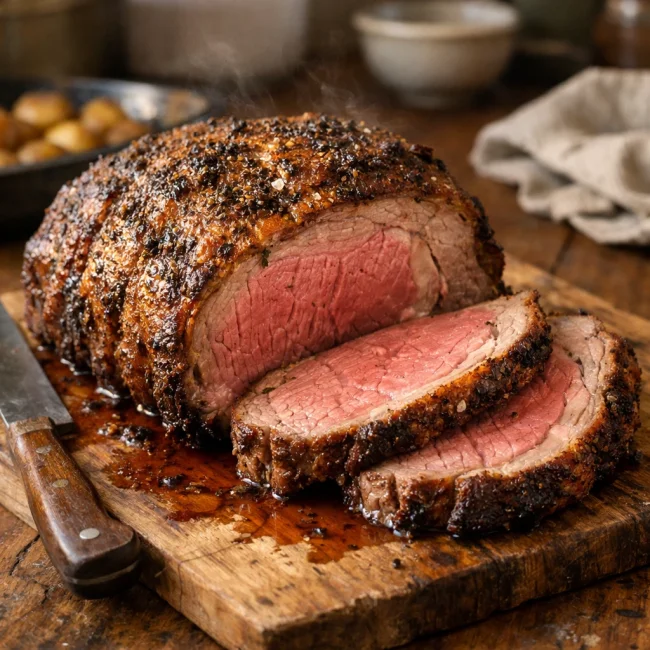
Classic Rib Eye Roast
A timeless rib eye roast recipe that delivers a succulent, flavorful dish perfect ...
View Recipe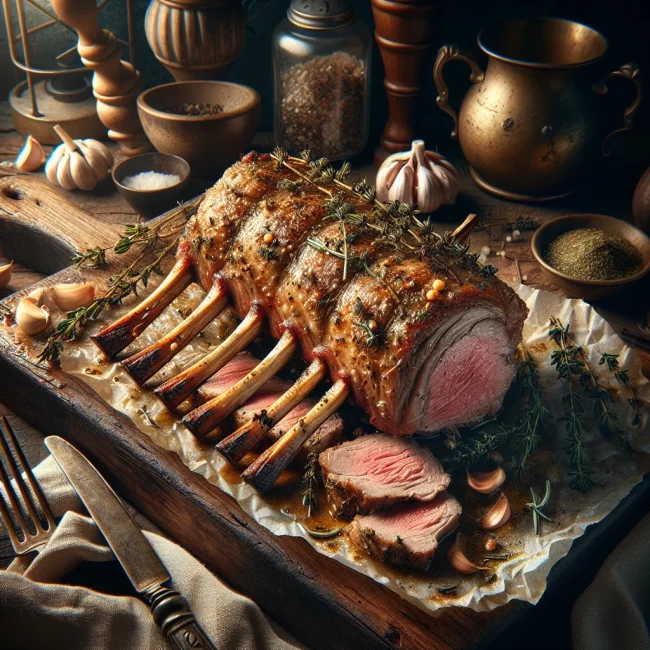
Traditional Roast Rack of Lamb
Savor the timeless delight of a perfectly roasted rack of lamb, infused with garli...
View Recipe
Traditional Oven Roast
A timeless oven roast recipe perfect for family gatherings, featuring tender beef,...
View Recipe
Traditional Chuck Roast
Discover the rich and hearty flavors of our Traditional Chuck Roast, perfect for a...
View Recipe