
Classic Martini
When it comes to cocktails, the Classic Martini is in a league of its own. This timeless drink is a celebration of simplicity and elegance, perfect for any occasion. Whether you're a seasoned cocktail enthusiast or a curious beginner, this martini is sure to impress.
 Share
Share

This post may contain affiliate links. As an Amazon Associate, we earn from qualifying purchases.
Ingredients for Classic Martini
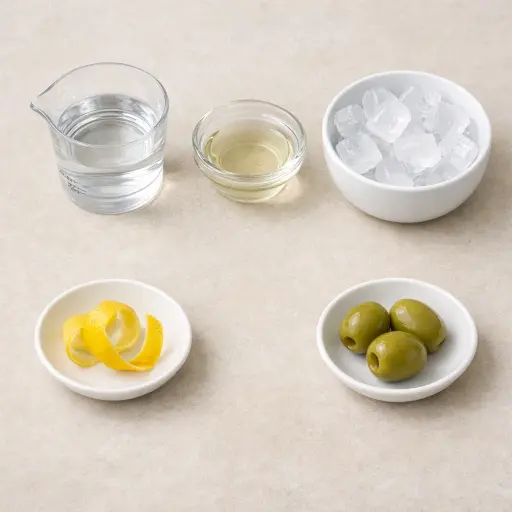
The star of the show is, of course, the gin. It brings a botanical and aromatic profile that defines the drink. Choose a high-quality gin for the best flavor. The dry vermouth adds a subtle depth and a slightly herbal note, balancing the boldness of the gin. Ice cubes are essential for chilling and slightly diluting the drink, achieving the perfect temperature and consistency. Finally, a lemon twist or olives for garnish not only adds a visual appeal but also a hint of complementary flavor.
Why This Classic Martini Works
Once the gin and vermouth hit all that ice, the drink starts to change right away. The cold from the ice chills the alcohol fast, and a little bit of water melts in. That melted ice thins the strong alcohol just enough so it goes down smooth instead of harsh. As the bartender keeps stirring, more of that tiny bit of water spreads evenly through the gin and vermouth, so every sip tastes the same from start to finish.
During stirring, the gin and vermouth also mix fully instead of sitting in layers. The cold helps the sharp edges of the gin calm down, while the dry vermouth keeps the drink from tasting flat or one‑note. Straining into a chilled glass keeps it cold without more ice melting in and watering it down. The lemon twist or olives sit on top, so their scent and a little of their taste stay on the surface, where it’s noticed right away with each sip.
Classic Martini Tips & Tricks
- Chill your martini glass in the freezer beforehand for an extra frosty drink.
- Experiment with different gins to find your favorite flavor profile.
- If you prefer your martini a bit drier, reduce the vermouth slightly.
Mistakes To Avoid
Using warm gin, vermouth, or glassware makes the drink go flat fast. Instead of staying crisp and cold, the martini warms up in the glass within a minute or two and starts to taste heavy and dull, more like straight room‑temp booze than a sharp, clean cocktail.
Over-diluting in the mixing glass is another common problem. When the drink is stirred for too long or with too much melting ice, a lot of water seeps in, so the martini ends up thin and watery, with the alcohol bite fading but without any real body left.
Pouring the ingredients over too little ice causes the opposite issue. With only a few cubes, the liquid doesn’t chill enough before straining, so the martini hits the glass slightly warm and strong, and the alcohol fumes feel harsh on the nose.
Using an old, dried-out lemon twist or mushy olives also changes the final drink. The garnish can shed bitter pithy notes or briny, stale liquid into the glass, so the last sips feel off and a bit muddy instead of clean.
Equipment Used:
Ingredients
- 2 oz Gin
- 0.5 oz Dry Vermouth
- Ice cubes
- Lemon twist or olives for garnish
Step-by-step Instructions
- 1. Fill a mixing glass with ice cubes.
- 2. Pour in the gin and dry vermouth.
- 3. Stir well until chilled.
- 4. Strain the mixture into a chilled martini glass.
- 5. Garnish with a lemon twist or olives.
Trending Now
Old-Fashioned Bread Pudding
Discover the classic charm of Old-Fashioned Bread Pudding - a timeless dessert com...
View Recipe
Hearty Breakfast Casserole
This Hearty Breakfast Casserole is the quintessential morning dish, combining savo...
View Recipe
Traditional Stuffed Peppers
Explore the delightful blend of seasoned beef, rice, and tomato sauce nestled in v...
View Recipe
Traditional Lemon Pound Cake
A delightful and moist traditional lemon pound cake infused with the fresh zest an...
View RecipeFrequently Asked Questions
- Can I use vodka instead of gin?
- Yes, using vodka creates a different but equally classic cocktail known as a Vodka Martini.
- How can I make my martini extra dry?
- Simply use less vermouth. Some even prefer just a rinse or a hint of it.
- What’s the best way to add the lemon twist?
- Use a peeler to get a strip of zest, then twist it over the drink to release the oils before dropping it in.
Serving Ideas for Classic Martini
The Classic Martini pairs beautifully with light, salty appetizers like smoked salmon canapés, marinated olives, or a simple cheese plate. Its clean, crisp taste is a delightful contrast to richer flavors, making it a versatile addition to any gathering.
More Beverages Recipes
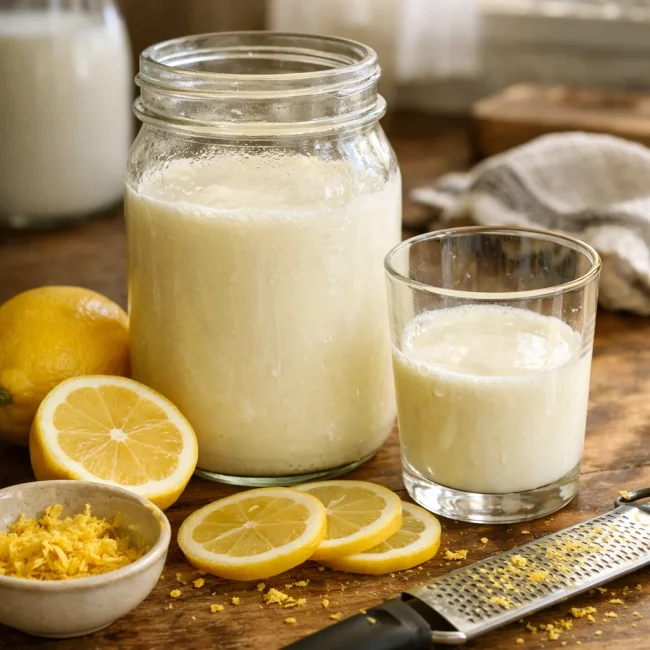
Tangy Lemon Buttermilk
Discover the unique twist of homemade buttermilk with a zesty lemon infusion. Perf...
View Recipe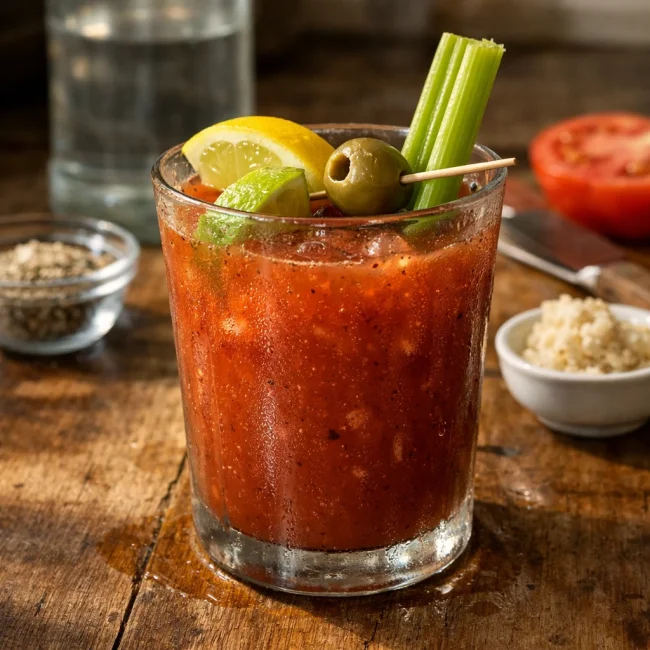
Timeless Bloody Mary
Discover the classic Timeless Bloody Mary, a zesty and savory cocktail perfect for...
View Recipe
Traditional Martini
A timeless cocktail that exemplifies elegance and simplicity, combining gin with a...
View Recipe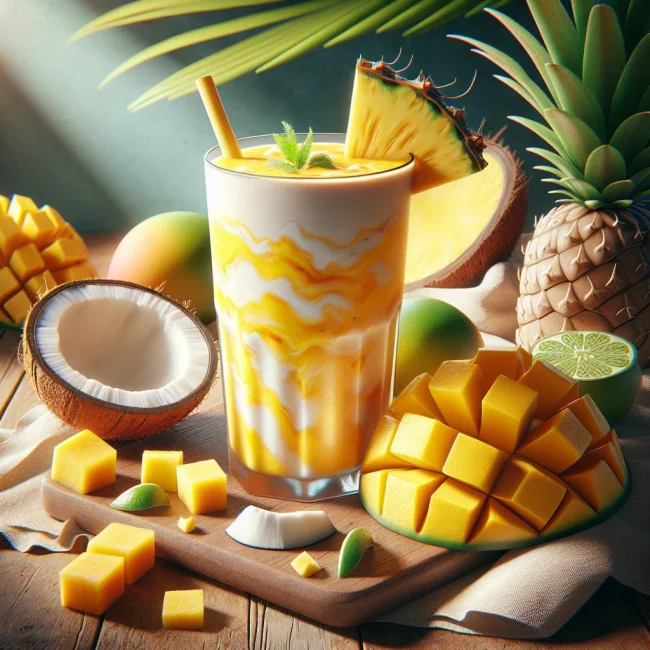
Island Breeze Smoothie
Delight in the refreshing taste of the Island Breeze Smoothie, a vibrant blend of ...
View Recipe