
Classic Lemon Cake
This Classic Lemon Cake is the perfect blend of tangy lemon flavor and sweet, tender cake. It's a delightful treat for any occasion, bringing a burst of sunshine to your dessert table. With a simple lemon glaze, it's both refreshing and satisfying.
 Share
Share

This post may contain affiliate links. As an Amazon Associate, we earn from qualifying purchases.
Ingredients for Classic Lemon Cake
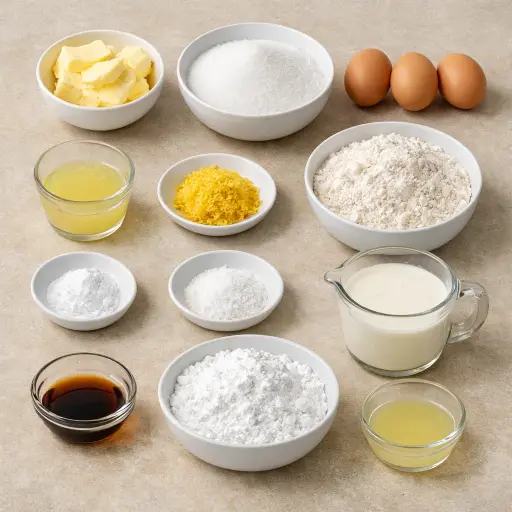
Butter gives the cake a rich flavor and tender texture. Use unsalted to control the saltiness.
Granulated sugar sweetens the cake and helps create a light, fluffy texture when creamed with butter.
Eggs provide structure and moisture, helping the cake rise and stay soft.
Freshly squeezed lemon juice and lemon zest are the stars, infusing the cake with natural lemony goodness.
All-purpose flour forms the base, giving the cake its body and structure.
Baking soda is the leavening agent, ensuring the cake rises perfectly.
Salt enhances the overall flavor, balancing the sweetness and acidity.
Buttermilk adds moisture and a slight tang, complementing the lemon beautifully.
Vanilla extract rounds out the flavors, adding depth and warmth.
Powdered sugar and lemon juice make a simple yet delicious glaze that ties everything together.
Why This Classic Lemon Cake Works
During mixing, the soft butter and sugar trap a lot of tiny air pockets as they are beaten together. Those little pockets stay inside the batter when the eggs go in, so the cake rises evenly in the oven instead of baking up dense. When the flour, baking soda, and buttermilk are added in turns, the batter stays smooth and doesn’t clump, so it bakes up with a fine, even crumb.
As the cake bakes, the butter melts and spreads through the flour, which keeps the cake tender instead of dry. The buttermilk and lemon juice are both a bit sour, so they react with the baking soda and give extra lift. At the same time, the eggs firm up and hold everything in place so the cake keeps its shape once it’s out of the oven.
Once the warm cake is glazed, the lemon glaze slowly soaks into the top layer. The top stays a little sticky and moist, and the inside stays soft, so every bite is both tender and lemony all the way through.
Classic Lemon Cake Tips & Tricks
- Use room temperature ingredients for a smoother batter.
- Zest the lemons before juicing them to save effort.
- For an extra lemony punch, poke small holes in the cake with a skewer before glazing.
- Ensure even baking by rotating the pan halfway through the baking time.
Mistakes To Avoid
Overbaking the cake easily turns it dry and crumbly. Once it goes past done, the edges harden, the top can crack, and the inside loses its soft, moist texture, so the lemon flavor feels sharp instead of balanced.
Adding the lemon juice straight into the butter and sugar before the eggs are mixed in can cause the mixture to look curdled and grainy. When that happens, the batter doesn’t hold air well and the baked cake comes out dense instead of light.
Skipping the step of alternating the dry ingredients with the buttermilk often leads to a heavy, uneven crumb. The flour doesn’t blend in smoothly, so some parts bake up tough while other spots stay a bit gummy.
Using cold butter instead of softened butter keeps the sugar from creaming properly. The mixture stays thick and chunky, so less air gets trapped, and the cake rises less and bakes up flatter and tighter.
Pouring the glaze on a very hot cake makes it soak in too fast and almost disappear. The top turns sticky and wet instead of having a thin, smooth lemony layer.
Equipment Used:
Mixing bowl, Electric mixer, 9x13 inch baking pan, Whisk, Spatula
Ingredients
- 1 cup unsalted butter, softened
- 2 cups granulated sugar
- 3 large eggs
- 1/4 cup freshly squeezed lemon juice
- 1 tablespoon lemon zest
- 3 cups all-purpose flour
- 1/2 teaspoon baking soda
- 1/2 teaspoon salt
- 1 cup buttermilk
- 1 teaspoon vanilla extract
- 1 cup powdered sugar (for glaze)
- 2 tablespoons lemon juice (for glaze)
Step-by-step Instructions
- 1. Preheat your oven to 350°F (175°C) and grease a 9x13 inch baking pan.
- 2. In a large bowl, cream together the butter and sugar until light and fluffy.
- 3. Add the eggs one at a time, beating well after each addition.
- 4. Stir in the lemon juice and zest.
- 5. In another bowl, whisk together the flour, baking soda, and salt.
- 6. Gradually add the dry ingredients to the creamed mixture alternately with the buttermilk, starting and ending with the flour mixture.
- 7. Stir in the vanilla extract.
- 8. Pour the batter into the prepared baking pan and smooth the top.
- 9. Bake for 30-35 minutes or until a toothpick inserted into the center comes out clean.
- 10. While the cake is baking, prepare the glaze by mixing the powdered sugar and lemon juice until smooth.
- 11. Let the cake cool for 10 minutes, then drizzle the glaze over the warm cake.
- 12. Allow to cool completely before serving.
Trending Now
Old-Fashioned Bread Pudding
Discover the classic charm of Old-Fashioned Bread Pudding - a timeless dessert com...
View Recipe
Traditional Crisp Coleslaw
A classic coleslaw recipe featuring finely shredded cabbage and carrots tossed in ...
View Recipe
Traditional Italian Bruschetta
Experience the authentic taste of Italian bruschetta, a perfect blend of fresh tom...
View Recipe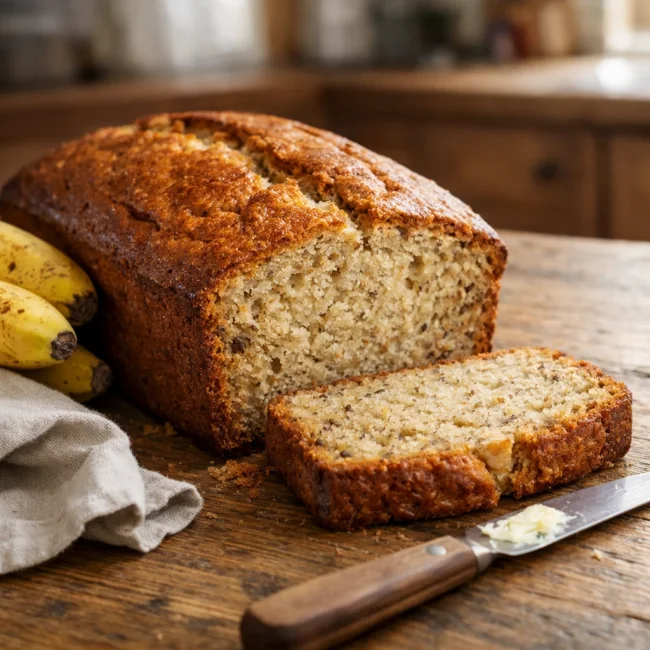
Classic Banana Bread
Classic Banana Bread is a timeless dessert beloved for its moist texture and sweet...
View RecipeFrequently Asked Questions
- Can I use bottled lemon juice?
- Freshly squeezed lemon juice is recommended for the best flavor, but bottled can be used in a pinch.
- What can I use instead of buttermilk?
- You can make a buttermilk substitute by mixing 1 cup of milk with 1 tablespoon of lemon juice or vinegar and letting it sit for 5 minutes.
- How should I store leftovers?
- Store covered at room temperature for up to 3 days, or refrigerate for up to a week.
Serving Ideas for Classic Lemon Cake
This lemon cake pairs wonderfully with a scoop of vanilla ice cream or a dollop of whipped cream. For a more elegant presentation, serve with fresh berries or a mint sprig. It's a delightful finish to a casual brunch or a formal dinner party.
More Desserts, Breads & Baked Goods, Baking Recipes
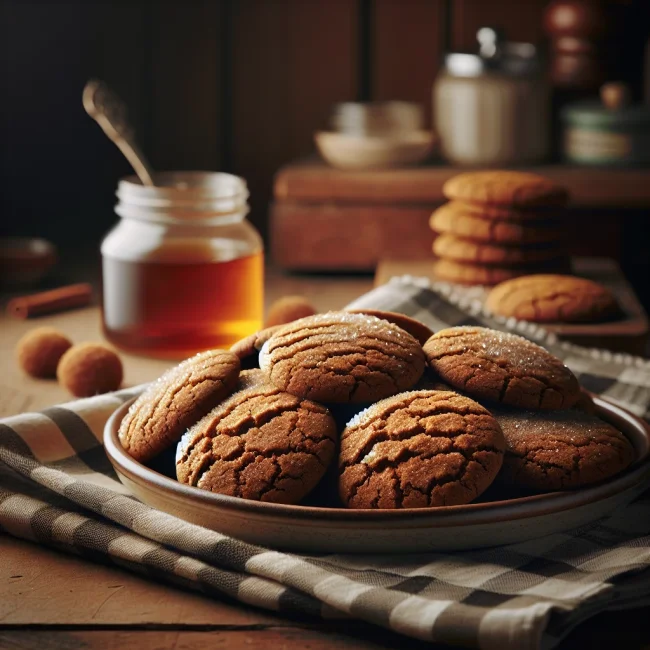
Old-Fashioned Soft Molasses Cookies
Delight in these chewy and richly spiced old-fashioned molasses cookies that captu...
View Recipe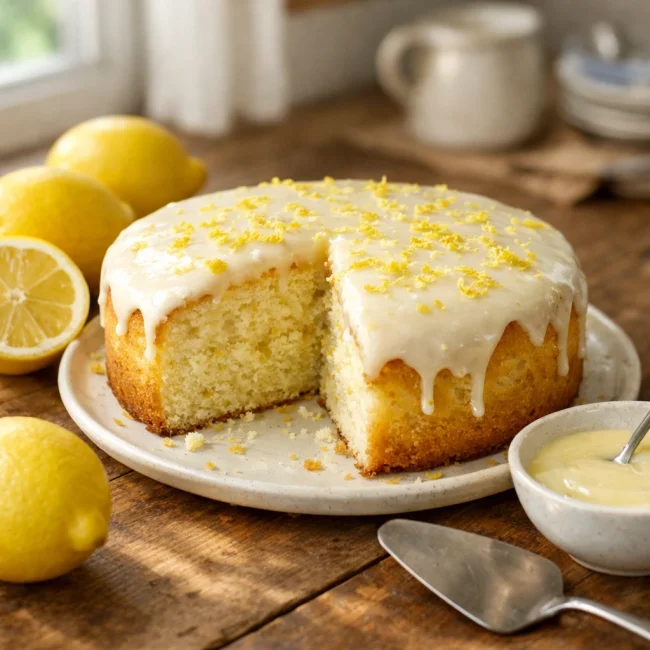
Sunshine Lemon Zest Cake
A delightful lemon zest cake that bursts with tangy citrus flavor, perfect for sum...
View Recipe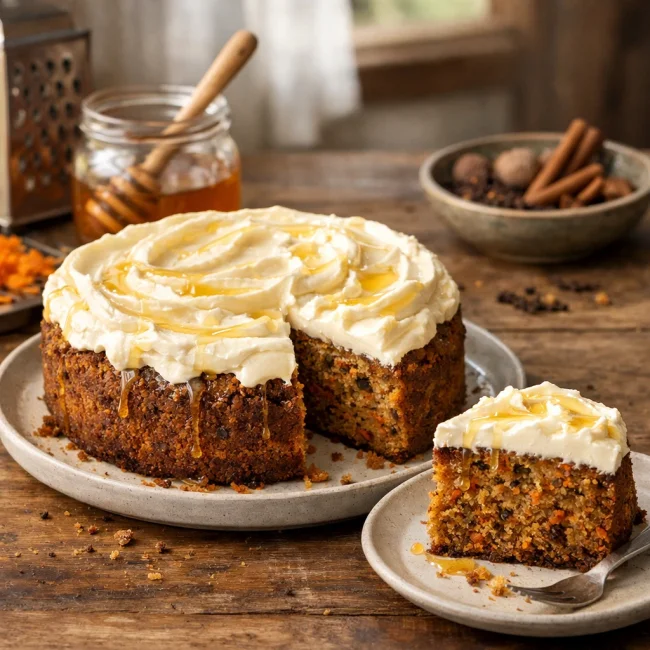
Spiced Honey Carrot Cake
Delight in the rich and moist Spiced Honey Carrot Cake that perfectly balances swe...
View Recipe
Unique German Chocolate Cake
A delightful twist on the classic German Chocolate Cake, featuring a rich, moist c...
View Recipe