
Classic Homemade Peanut Paste
Classic Homemade Peanut Paste is your go-to recipe when you crave something nutty, creamy, and utterly satisfying. It's a breeze to make and beats any store-bought version with its fresh, customizable flavors.
 Share
Share

This post may contain affiliate links. As an Amazon Associate, we earn from qualifying purchases.
Ingredients for Classic Homemade Peanut Paste
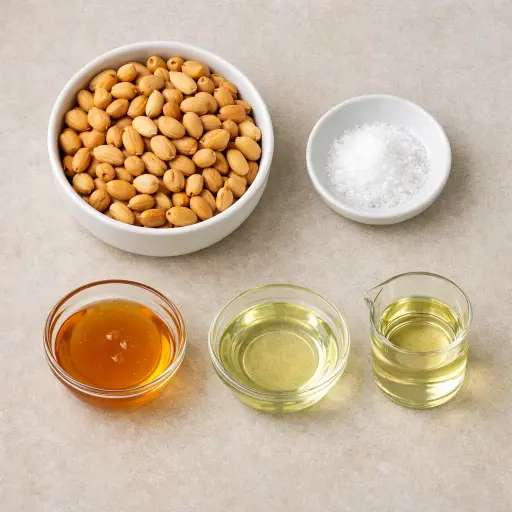
Roasted peanuts are the star of the show, providing the rich, nutty base. You want them roasted for that deep, savory flavor. Kosher salt balances the sweetness and enhances the natural peanut flavor. Honey adds a subtle sweetness and helps with the creamy texture. Finally, vegetable oil is the secret to achieving that smooth, spreadable consistency.
Why This Classic Homemade Peanut Paste Works
As the peanuts spin in the food processor, they break down from crunchy pieces into tiny bits, and then into a thick paste. At first it looks dry and crumbly, but as the blades keep going, the natural oils inside the peanuts start to spread out. Those oils coat all the little peanut pieces, so the paste slowly changes from rough and sandy to smooth and shiny.
Once the vegetable oil and honey mix in, the paste loosens up and becomes easier to spread. The extra oil fills in the gaps between the ground peanuts, so it doesn’t clump and stays creamy instead of stiff. Honey adds a bit of stickiness, which keeps the peanut paste from separating and gives it a steady, even texture. By the time it has run in the processor for a few minutes, everything has blended into one smooth paste that holds together on a spoon and spreads easily on bread.
Classic Homemade Peanut Paste Tips & Tricks
- If your paste is too thick, add a little more oil, one teaspoon at a time, until you reach the desired consistency.
- For a chunkier texture, reserve a handful of peanuts, finely chop them, and stir them in after blending.
- Store your peanut paste in an airtight container in the fridge to keep it fresh for up to two weeks.
Mistakes To Avoid
Using raw or barely roasted peanuts makes the paste taste harsh and leaves a chalky, powdery feel on the tongue. The nuts don’t break down as easily, so the mixture stays grainy no matter how long it runs in the processor.
Adding too little oil or skipping it completely often leads to a thick, stiff mass that clumps around the blade. Instead of turning into a smooth paste, the peanuts stay in damp crumbs that won’t spread and may even cause the processor to strain or stall.
Pouring in a lot of oil at once can cause the mixture to loosen too fast and separate. The paste then turns runny, with a slick layer of oil sitting on top instead of a stable, creamy spread.
Stopping the processor too early leaves visible chunks of peanut and a rough, sandy texture. The paste looks done but doesn’t hold together smoothly on bread and can feel gritty when eaten.
Equipment Used:
Ingredients
- 2 cups roasted peanuts
- 1/2 teaspoon kosher salt
- 1 tablespoon honey
- 2 tablespoons vegetable oil
Step-by-step Instructions
- 1. Place the roasted peanuts into a food processor.
- 2. Add kosher salt, honey, and vegetable oil to the processor.
- 3. Process the mixture for about 2-3 minutes until smooth and creamy. Scrape down the sides as needed.
- 4. Taste and adjust for salt or sweetness if necessary.
Trending Now
Classic Banana Bread
Classic Banana Bread is a timeless dessert beloved for its moist texture and sweet...
View Recipe
Classic Cucumber Salad
A refreshing and light cucumber salad featuring crisp cucumbers and a tangy vinaig...
View Recipe
Zesty Summer Squash Casserole
This delightful summer squash casserole combines vibrant garden-fresh vegetables w...
View Recipe
Traditional Dump Cake
Discover the timeless delight of the Traditional Dump Cake, a simple and scrumptio...
View RecipeFrequently Asked Questions
- Can I use raw peanuts instead of roasted?
- Yes, but you'll need to roast them yourself to bring out their flavor. Simply spread them on a baking sheet and roast at 350°F (175°C) for about 10-15 minutes.
- Can I substitute the vegetable oil with another type?
- Absolutely! Try using peanut oil for an even more pronounced peanut flavor, or opt for coconut oil for a slight tropical hint.
Serving Ideas for Classic Homemade Peanut Paste
Spread this luscious peanut paste on warm toast for a comforting breakfast. It’s also fantastic as a dip for apple slices or celery sticks. For a savory twist, add a dollop to a bowl of oatmeal or smoothie for a protein-packed start to your day.
More Snacks Recipes
Spiced Zucchini Fritters
Discover the delightful taste of our Spiced Zucchini Fritters, a crispy and savory...
View Recipe
Baked Potato Chips
Crispy and flavorful baked potato chips are the perfect guilt-free snack. These ho...
View Recipe
Cheesy Quesadillas
These quick and simple cheesy quesadillas are a perfect meal or snack, filled with...
View Recipe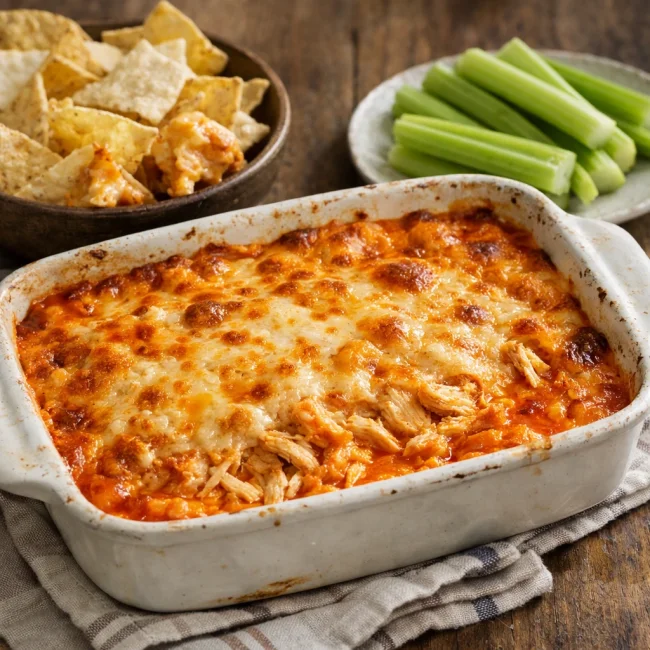
Buffalo Chicken Dip
Experience the ultimate game-day snack with this luscious Buffalo Chicken Dip, ble...
View Recipe