
Classic Herb-Infused Slow Roasted Pork Shoulder
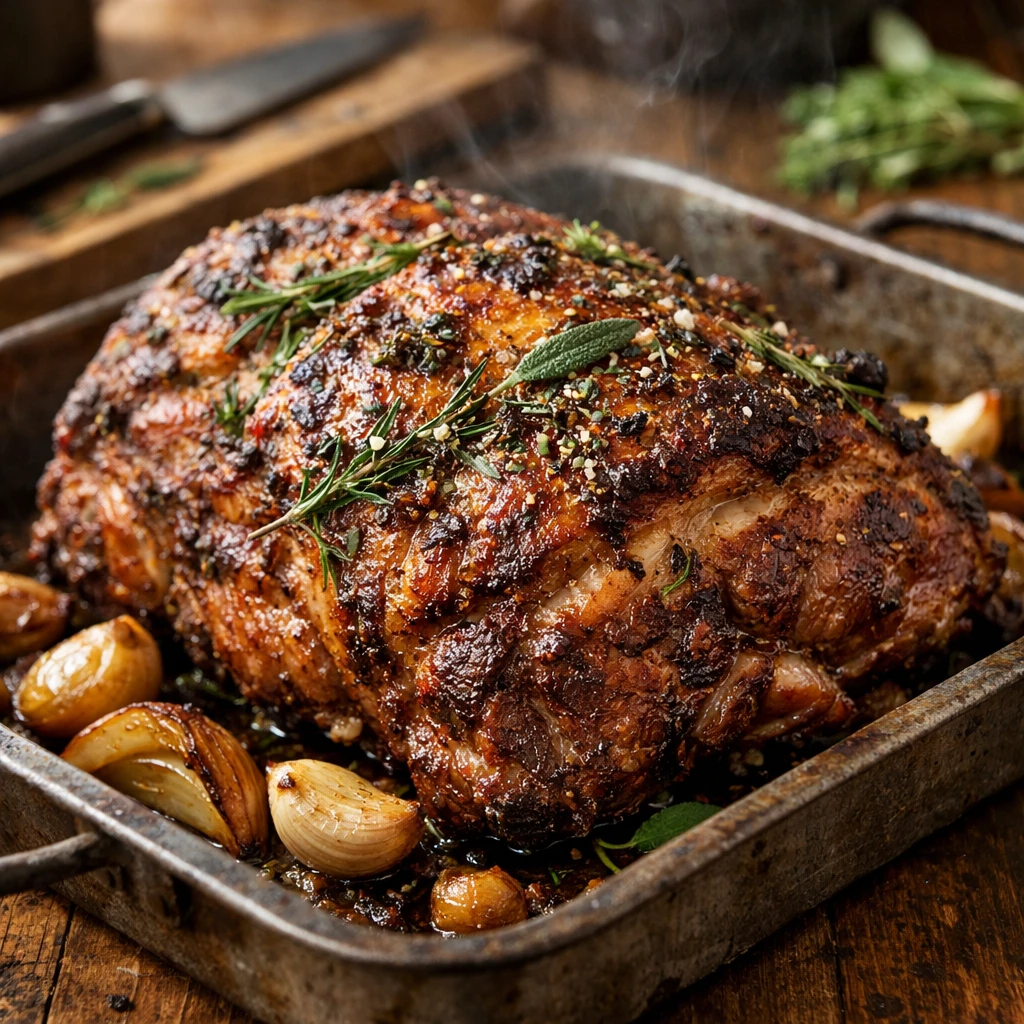
Herb-Infused Slow Roasted Pork Shoulder is a delightful dish perfect for cozy family dinners or special occasions. The balance of fresh herbs and tender, juicy pork makes it a standout recipe that is both flavorful and comforting.
 Share
Share
This post may contain affiliate links. As an Amazon Associate, we earn from qualifying purchases.
Ingredients for Classic Herb-Infused Slow Roasted Pork Shoulder
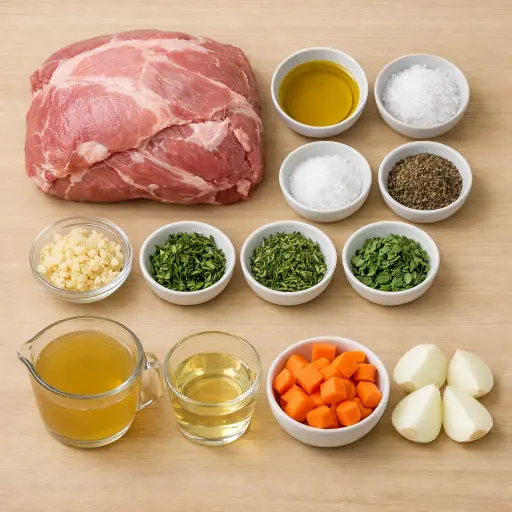
Pork shoulder is the star of this dish — it's a tougher cut of meat that becomes incredibly tender when slow-cooked. The olive oil helps to create a beautiful crust on the outside, while the sea salt and black pepper bring out the natural flavors of the pork. Garlic adds a depth of flavor that complements the rosemary, thyme, and sage, which provide a fresh, herbaceous note. The chicken broth and white wine create a savory base that keeps the pork moist, while the carrots and onions add sweetness and balance.
Why This Classic Herb-Infused Slow Roasted Pork Shoulder Works
In the oven, the pork shoulder cooks low and slow, so the tough parts have time to break down. All the fat and connective tissue inside the pork slowly melt and turn almost jelly-like. That melted fat runs through the meat and keeps it moist instead of drying out, even though it cooks for hours.
While everything cooks under the foil, the broth and wine steam around the pork. The meat soaks in some of that liquid, and the garlic and herbs spread through the pan. Carrots and onions soften and give off their juices, so the bottom of the pan turns into a tasty, slightly thick cooking liquid instead of burning.
After a few hours, the foil comes off and the outside of the pork finally dries out enough to brown. The surface turns golden and a little crisp, but inside it stays soft and easy to pull apart. Resting at the end lets the hot juices settle back into the meat, so it slices cleanly and stays juicy.
Classic Herb-Infused Slow Roasted Pork Shoulder Tips & Tricks
- Use a meat thermometer to ensure the pork reaches an internal temperature of at least 145°F.
- Letting the pork rest after roasting is crucial for maximum juiciness.
- If you prefer a thicker gravy, remove the pork and vegetables, then reduce the pan juices on the stove.
Mistakes To Avoid
Letting the pork cook for much longer than the 5 total hours can dry it out. The fat and connective tissue that are supposed to melt and keep the meat moist keep shrinking and squeezing out juice instead. The result is meat that shreds into stringy, tough pieces instead of soft chunks that almost fall apart.
Starting with very cold meat straight from the fridge often leads to uneven cooking. The outside hits a safe temperature and starts to brown while the center is still tight and a bit rubbery. By the time the middle finally softens, the outer parts can be dry and chewy.
Leaving the pan uncovered for the first long stretch in the oven lets too much liquid evaporate. The broth and wine cook off instead of steaming and basting the pork. The shoulder then roasts in a drier environment and comes out less tender, with the vegetables shriveled and stuck to the pan.
Skipping the resting time makes the juices rush out as soon as the meat is cut. The inside of the pork ends up looking dry and crumbly on the plate, while a puddle of liquid sits on the cutting board instead of staying in the slices.
Equipment Used:
Ingredients
- 5 lbs pork shoulder
- 2 tbsp olive oil
- 1 tbsp sea salt
- 1 tbsp black pepper
- 4 cloves garlic, minced
- 1 tbsp fresh rosemary, chopped
- 1 tbsp fresh thyme, chopped
- 1 tbsp fresh sage, chopped
- 1 cup chicken broth
- 1/2 cup white wine
- 2 carrots, chopped
- 2 onions, quartered
Step-by-step Instructions
- 1. Preheat your oven to 325°F.
- 2. Rub the pork shoulder with olive oil, sea salt, and black pepper.
- 3. In a roasting pan, place the pork shoulder and surround with garlic, rosemary, thyme, sage, carrots, and onions.
- 4. Pour chicken broth and white wine over the pork.
- 5. Cover the roasting pan with foil and roast in the oven for 4 hours.
- 6. Remove foil and roast for an additional 1 hour until the pork is golden and tender.
- 7. Let it rest for 20 minutes before carving.
Trending Now
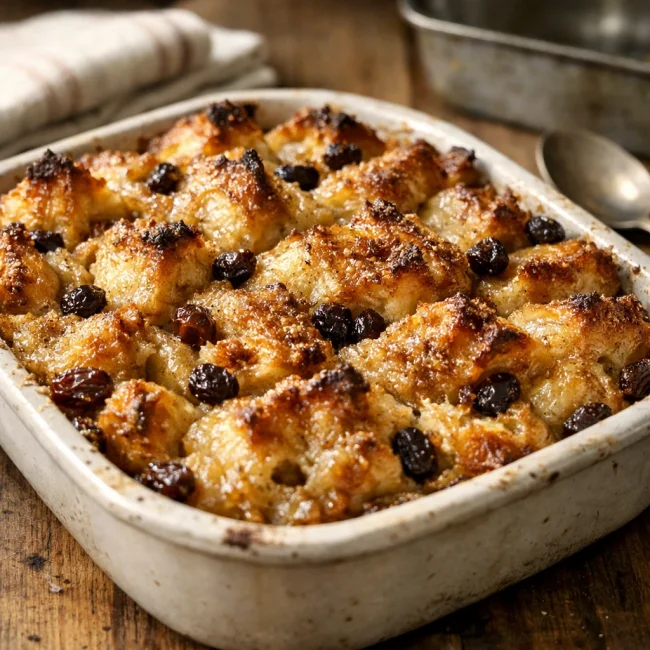
Old-Fashioned Bread Pudding
Discover the classic charm of Old-Fashioned Bread Pudding - a timeless dessert com...
View Recipe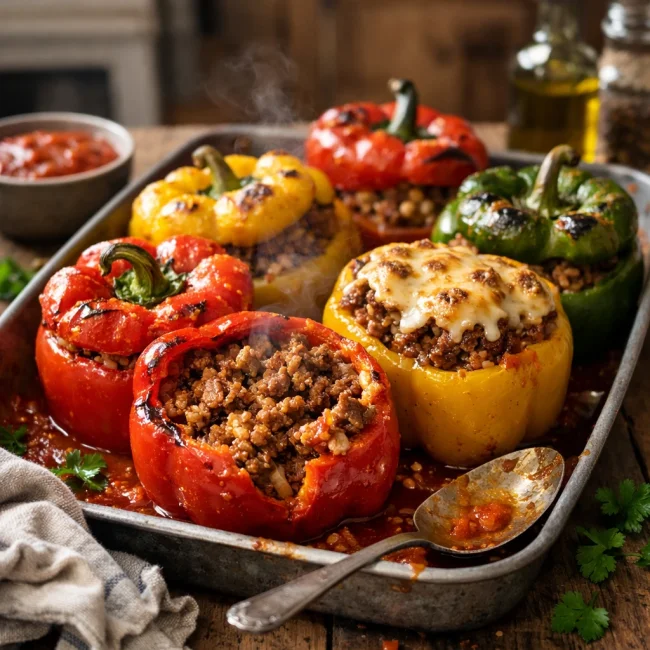
Traditional Stuffed Peppers
Explore the delightful blend of seasoned beef, rice, and tomato sauce nestled in v...
View Recipe
Hearty Breakfast Casserole
This Hearty Breakfast Casserole is the quintessential morning dish, combining savo...
View Recipe
Traditional Lemon Pound Cake
A delightful and moist traditional lemon pound cake infused with the fresh zest an...
View RecipeFrequently Asked Questions
- Can I use dried herbs instead of fresh ones?
- Yes, you can use dried herbs, but reduce the amount to about a third as dried herbs are more concentrated.
- What can I use instead of white wine?
- You can substitute white wine with an equal amount of extra chicken broth or apple juice for a touch of sweetness.
Serving Ideas for Classic Herb-Infused Slow Roasted Pork Shoulder
This pork shoulder pairs beautifully with creamy mashed potatoes or a crisp green salad. For a rustic touch, serve it with crusty bread to mop up the savory juices. A side of roasted seasonal vegetables can add color and texture to your plate. A light red wine or a full-bodied white complements the flavors nicely.
More Roasting Recipes
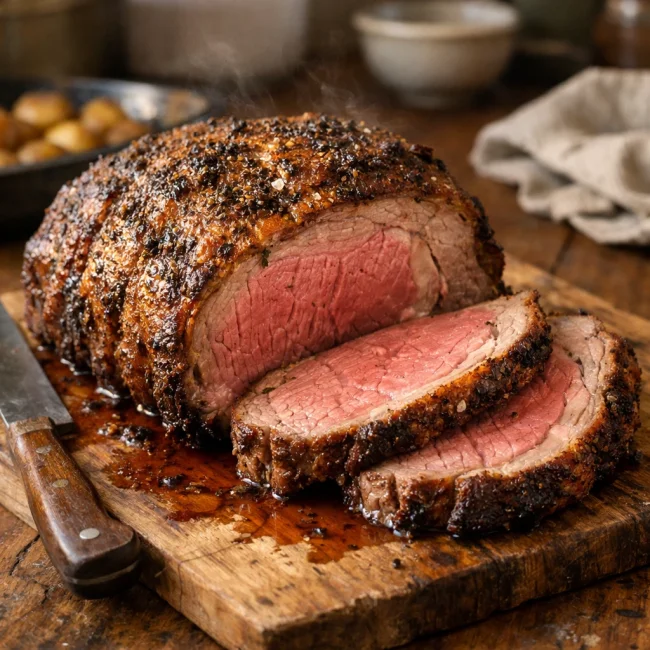
Classic Rib Eye Roast
A timeless rib eye roast recipe that delivers a succulent, flavorful dish perfect ...
View Recipe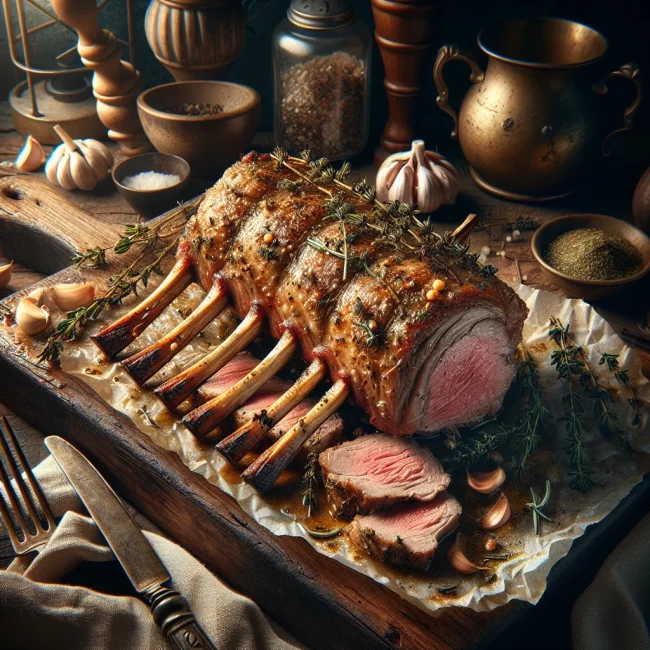
Traditional Roast Rack of Lamb
Savor the timeless delight of a perfectly roasted rack of lamb, infused with garli...
View Recipe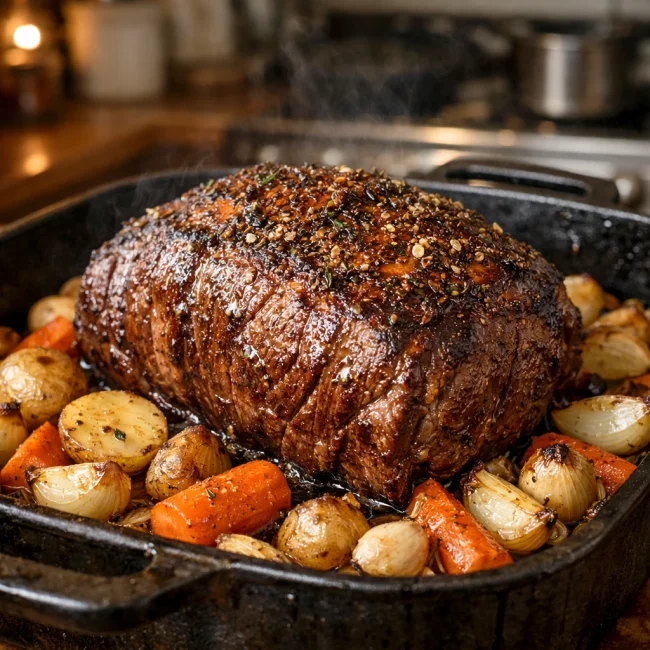
Traditional Oven Roast
A timeless oven roast recipe perfect for family gatherings, featuring tender beef,...
View Recipe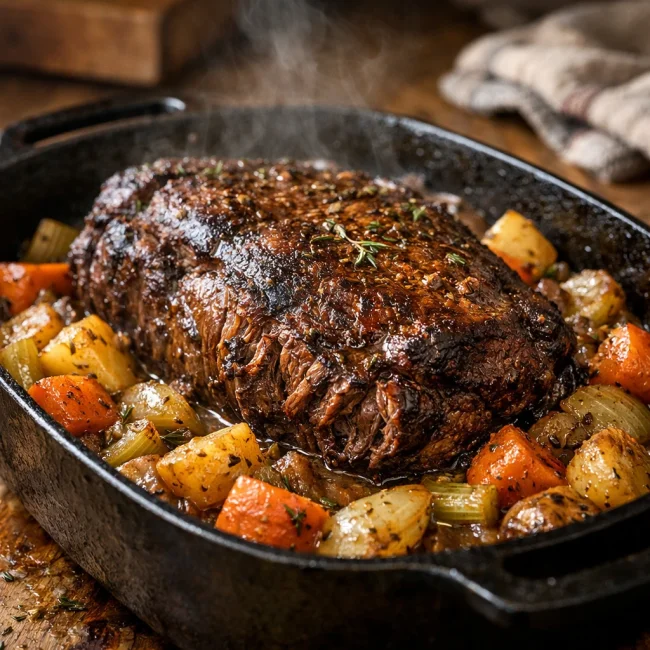
Traditional Chuck Roast
Discover the rich and hearty flavors of our Traditional Chuck Roast, perfect for a...
View Recipe