
Classic Hard-Boiled Eggs
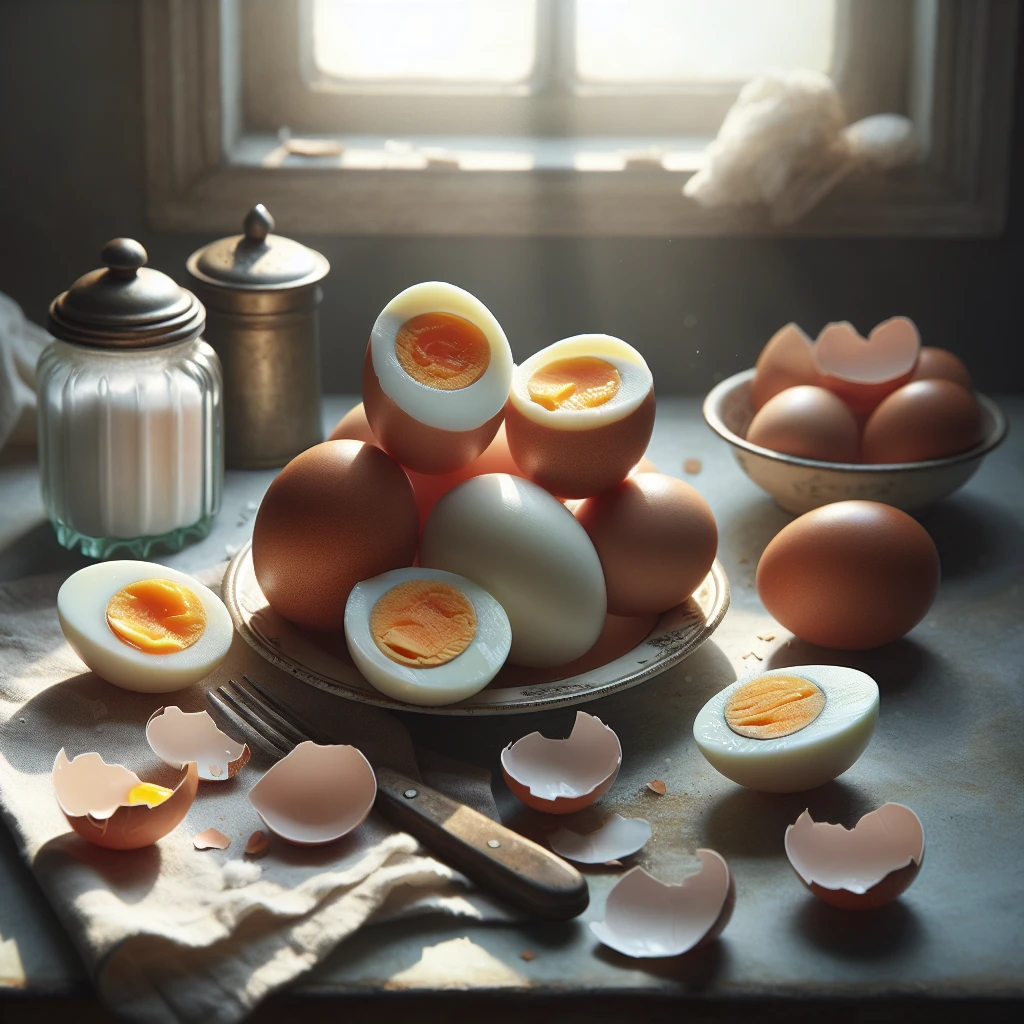
Hard-boiled eggs are a timeless classic, perfect for any meal or snack. This recipe ensures perfectly cooked, easy-to-peel eggs every time, making it a kitchen staple you'll return to again and again.
 Share
Share
This post may contain affiliate links. As an Amazon Associate, we earn from qualifying purchases.
Ingredients for Classic Hard-Boiled Eggs
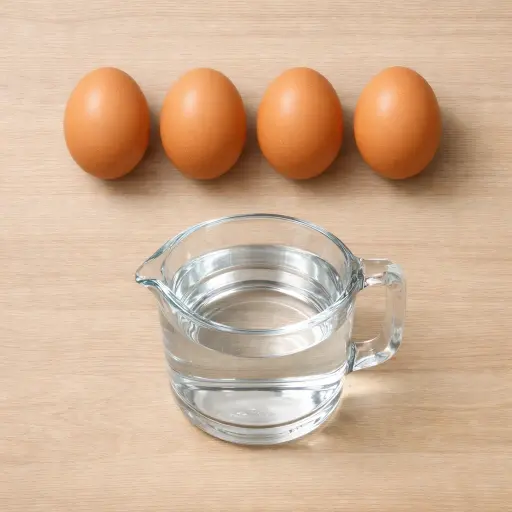
The key player here is the egg. Opt for large eggs, as they are the most common size, making timing and consistency reliable. The only other ingredient is water, which is essential for cooking the eggs evenly and efficiently.
Why This Classic Hard-Boiled Eggs Works
The eggs turn out well here because they cook gently instead of being blasted with boiling water the whole time. The water is brought to a boil, but as soon as it boils, the pan is covered and taken off the heat. The eggs then sit in that hot water. The heat is still strong enough to cook the whites and yolks all the way through, but it’s not so harsh that it makes the whites rubbery or gives the yolks a green ring.
Sitting in hot water for 9–12 minutes lets the eggs cook slowly and evenly from the outside in. The whites set up firm enough to peel, and the yolks go from slightly jammy to fully firm, depending on how long they sit. Moving the eggs straight into ice water stops the cooking right away. That cold shock also helps the egg pull slightly away from the shell, so the shells crack off more easily instead of sticking to the whites.
Classic Hard-Boiled Eggs Tips & Tricks
- Use older eggs for easier peeling; fresh eggs are more challenging to peel cleanly.
- If you want softer yolks, lean towards the 9-minute mark. For a firmer yolk, go for the full 12 minutes.
- To avoid green rings around the yolk, cool the eggs quickly in ice water.
Mistakes To Avoid
Letting the eggs sit in the hot water too long turns the yolks dry and chalky and can leave a gray-green ring around them. The whites also tighten too much and become rubbery instead of tender.
Starting with water that’s already boiling instead of cold water makes the eggs cook unevenly and crack more easily. The outside of the white sets fast while the inside warms more slowly, so some eggs end up with overcooked edges and slightly soft centers.
Skipping the ice water bath means the eggs keep cooking inside their shells even after leaving the pot. The carryover heat pushes them past the ideal point, so the yolks lose their creamy center and the shells cling more tightly, making peeling messy.
Crowding the pan so the eggs sit in two layers can cause some to cook less than others. The ones on the bottom sit closer to the hottest part of the pan and firm up more, while the ones on top stay a bit softer and may peel differently.
Ingredients
- 4 large eggs
- Water to cover
Step-by-step Instructions
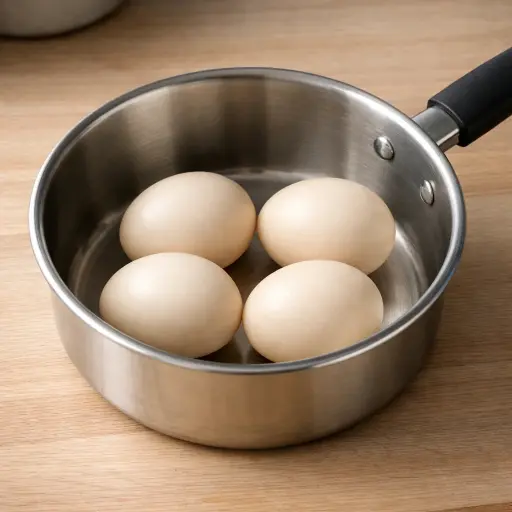
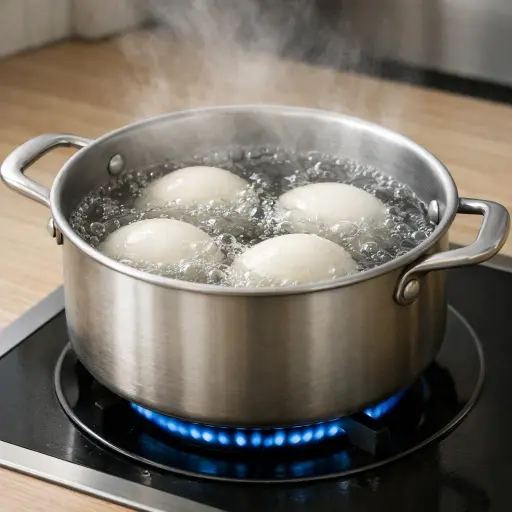
- 1. Place eggs in a single layer in a saucepan.
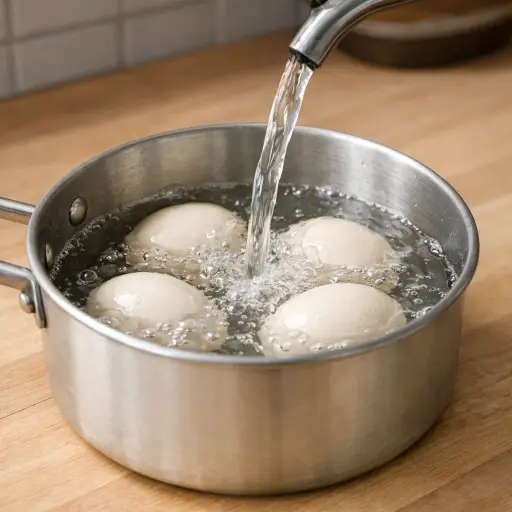
- 2. Add enough water to cover the eggs by about an inch.
- 3. Bring water to a boil over medium-high heat.
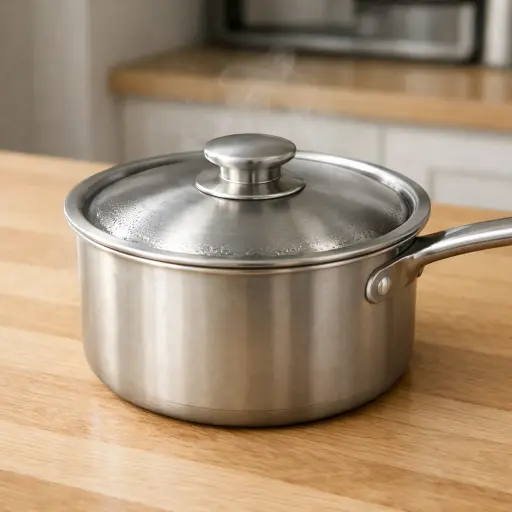
- 4. Once boiling, cover the saucepan and remove it from heat.
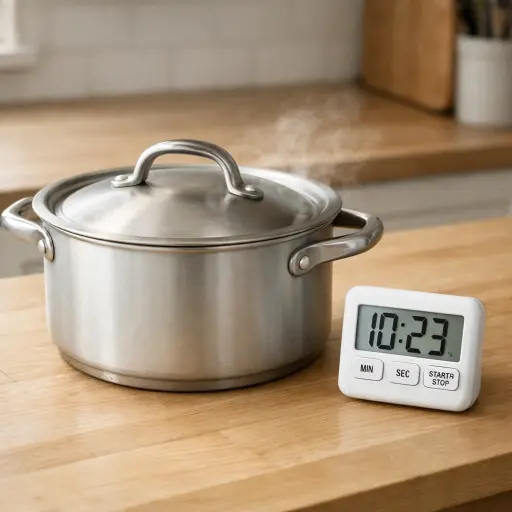
- 5. Let the eggs sit in the hot water for 9-12 minutes, depending on desired firmness.
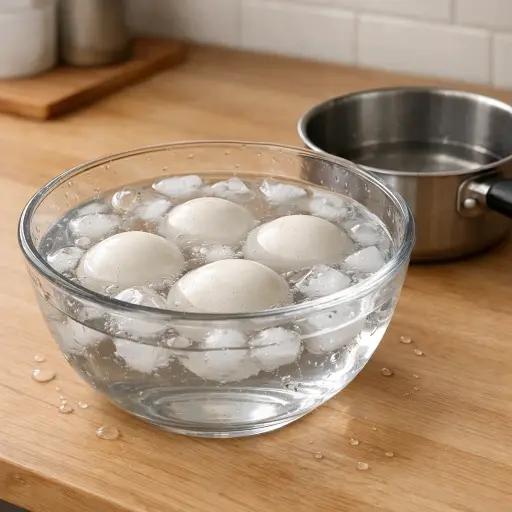
- 6. Transfer eggs to a bowl of ice water and let cool for at least 5 minutes before peeling.
Trending Now
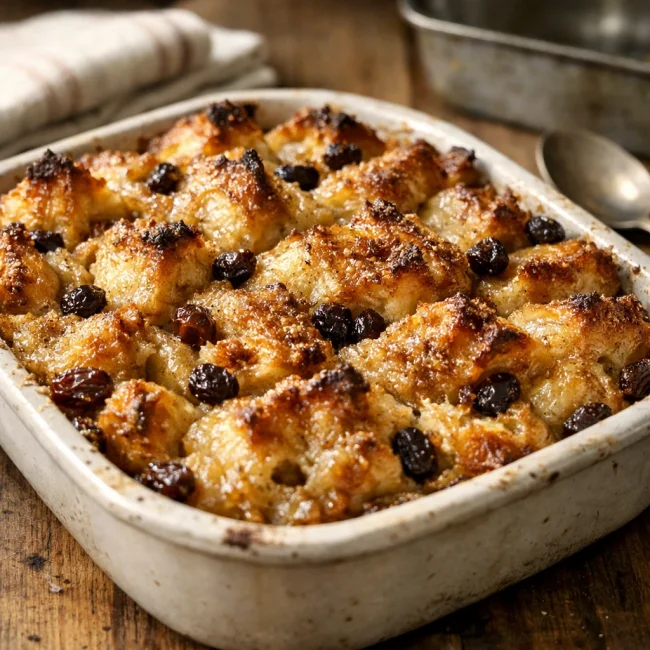
Old-Fashioned Bread Pudding
Discover the classic charm of Old-Fashioned Bread Pudding - a timeless dessert com...
View Recipe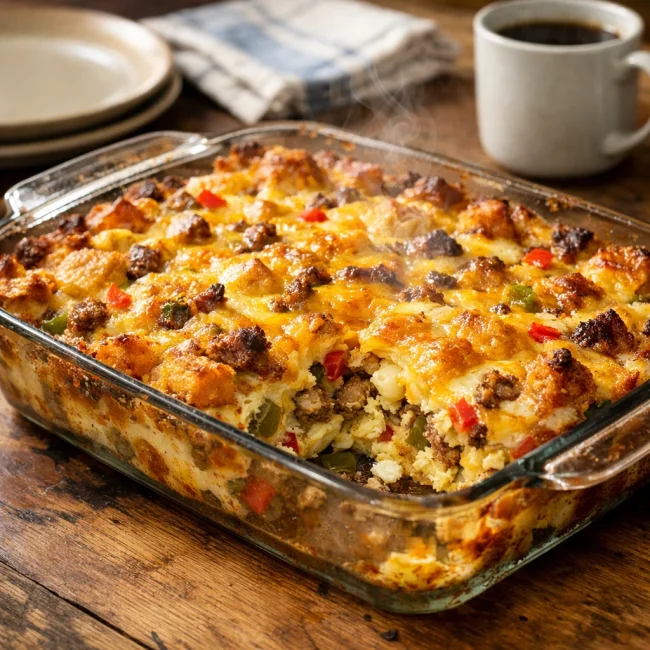
Hearty Breakfast Casserole
This Hearty Breakfast Casserole is the quintessential morning dish, combining savo...
View Recipe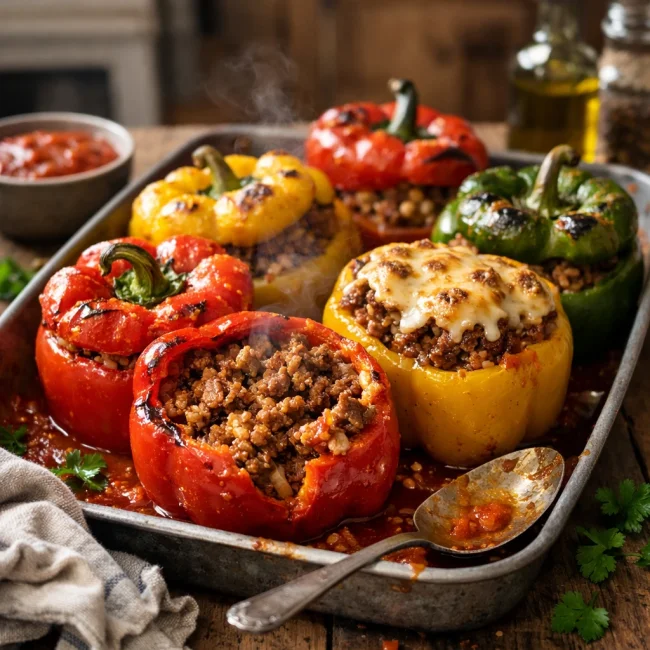
Traditional Stuffed Peppers
Explore the delightful blend of seasoned beef, rice, and tomato sauce nestled in v...
View Recipe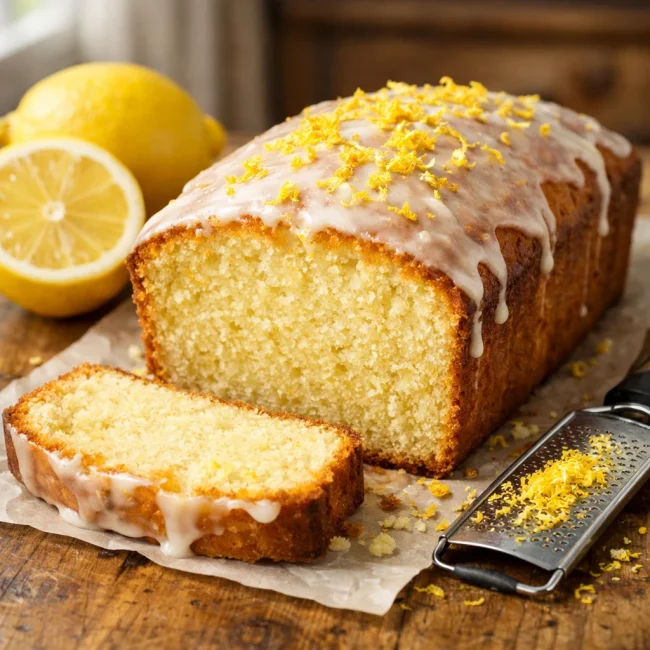
Traditional Lemon Pound Cake
A delightful and moist traditional lemon pound cake infused with the fresh zest an...
View RecipeFrequently Asked Questions
- Can I use eggs straight from the fridge?
- Yes, you can start with cold eggs directly from the fridge, but you might need to add an extra minute to your cooking time.
- How long can I store hard-boiled eggs?
- They can be stored in the refrigerator for up to one week, either peeled or unpeeled.
Serving Ideas for Classic Hard-Boiled Eggs
Hard-boiled eggs are incredibly versatile. Slice them onto salads for added protein, mash them into a sandwich filling with a bit of mayo, or enjoy them with a sprinkle of salt and pepper as a simple, satisfying snack. Pair them with avocado toast for a hearty breakfast.
More Breakfast & Brunch Recipes

Traditional Quiche Lorraine
Experience the classic French Quiche Lorraine, a savory pie with a flaky crust fil...
View Recipe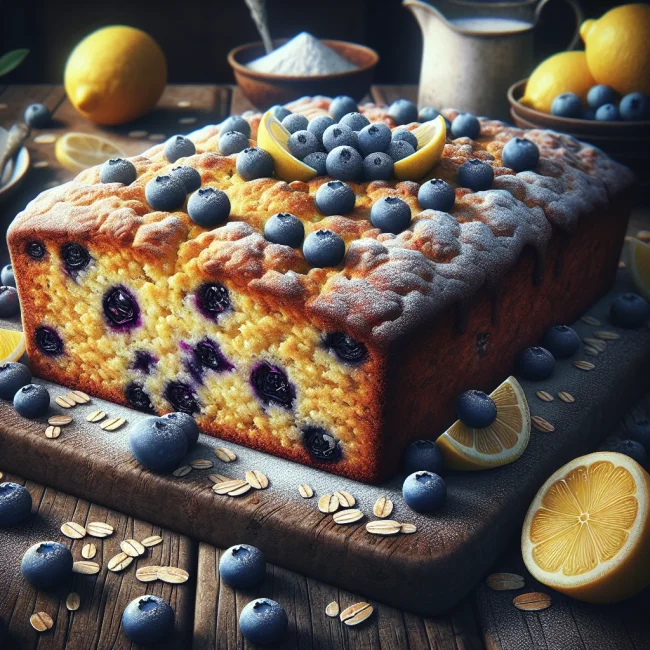
Lemon-Blueberry Oat Coffee Cake
This Lemon-Blueberry Oat Coffee Cake is a delightful twist on the traditional favo...
View Recipe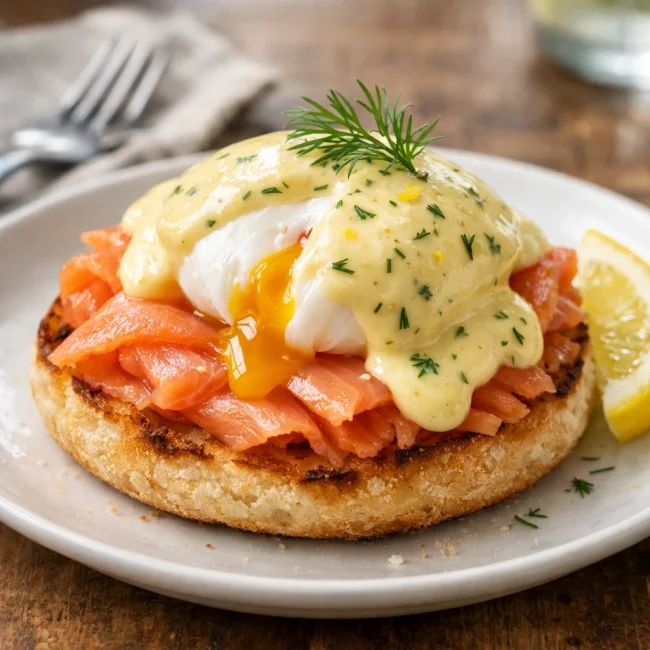
Smoked Salmon Benedict
A luxurious twist on the classic Eggs Benedict, featuring smoked salmon and a zest...
View Recipe
Savory Garden Veggie Quiche
A delightful and easy-to-make quiche filled with garden-fresh vegetables, perfect ...
View Recipe