
Classic French Omelette
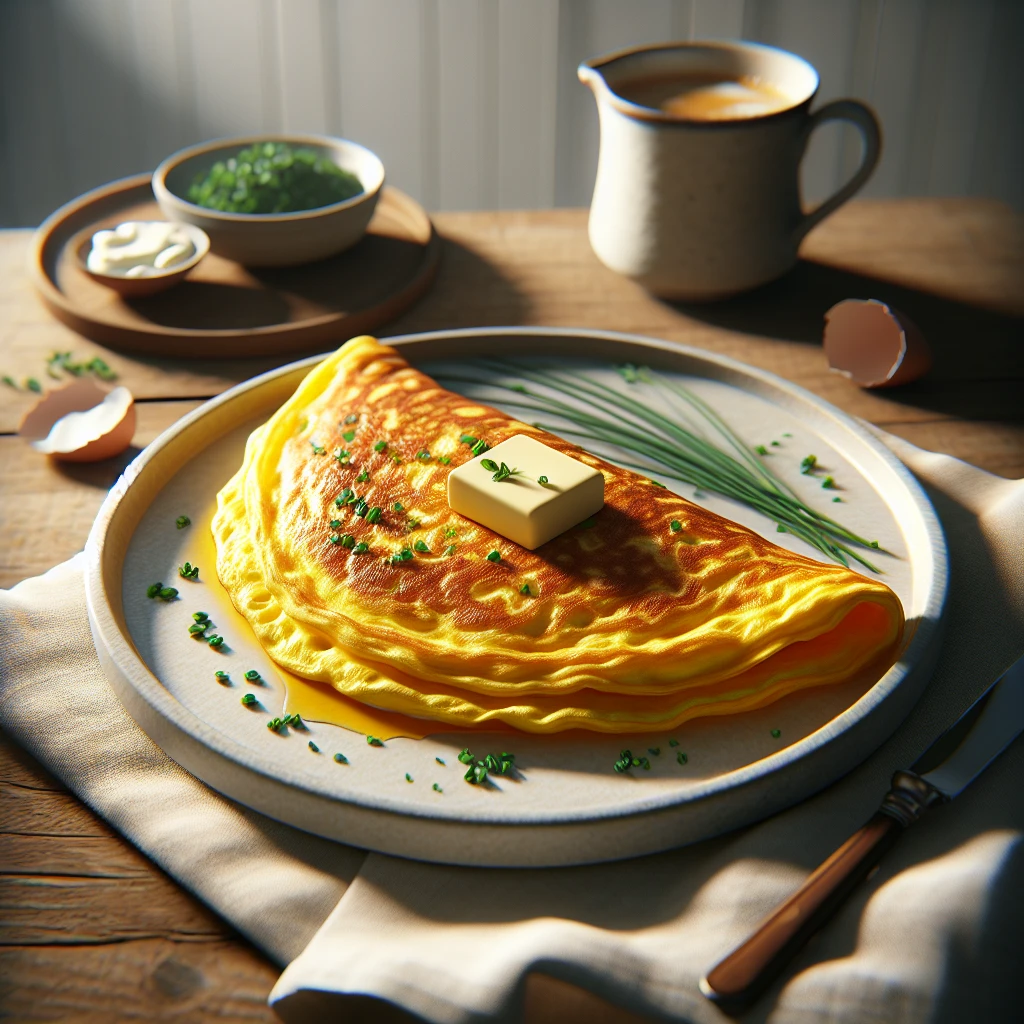
Welcome to a delightful culinary journey with the Classic French Omelette, a dish that’s as elegant as it is simple. This omelette is a testament to the beauty of French cuisine: minimal ingredients, maximum flavor, and a silky texture that’s sure to impress.
 Share
Share
This post may contain affiliate links. As an Amazon Associate, we earn from qualifying purchases.
Ingredients for Classic French Omelette
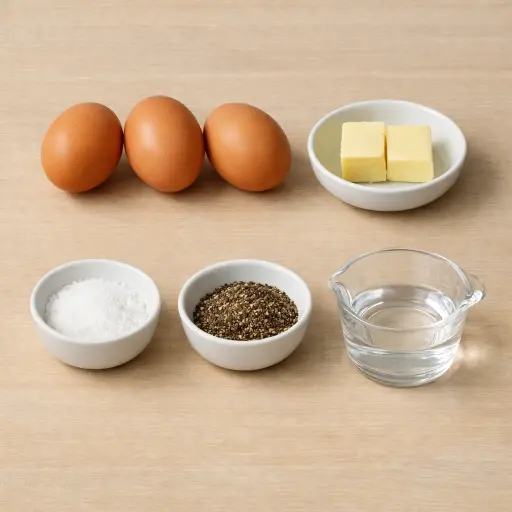
The star of this dish is, of course, the eggs. They form the base of the omelette, providing that creamy texture and rich flavor. Adding a tablespoon of water helps in achieving a fluffier texture. The unsalted butter is essential for both cooking and flavoring, creating a luscious and smooth finish. Salt and freshly ground black pepper are there to enhance the natural taste of the eggs without overpowering them.
Why This Classic French Omelette Works
As the eggs beat with a little water, the water loosens them so they pour in a smooth, even layer. In the pan, that water slowly turns to steam. While everything heats over gentle, medium-low heat, the steam puffs the eggs a bit from the inside so they stay soft instead of rubbery. The salt and pepper are already mixed in, so the seasoning spreads through every bite instead of sitting on top.
Once the eggs hit the foaming butter, the fat coats the bottom of the pan and the egg mixture. That butter keeps the eggs from sticking and lets them slide instead of tear. While the eggs are stirred from the edges toward the center, the curds stay very small and tender, and the top stays a little wet. Near the end, the extra butter melts underneath and acts almost like a slippery layer. By the time the omelette is folded and rolled, the outside has set into a smooth sheet, but the inside stays moist, soft, and just a bit creamy.
Classic French Omelette Tips & Tricks
- Use a non-stick pan for the best results; it prevents sticking and makes rolling easier.
- Medium-low heat is crucial to avoid overcooking or browning the omelette.
- For added flavor, infuse the butter with herbs like thyme or chives before cooking.
Mistakes To Avoid
Using heat that’s too high makes the eggs set almost instantly on the bottom while the top is still raw. The underside browns and toughens before the cook has time to stir or fold, so the omelette ends up dry and rubbery instead of soft and pale.
Letting the eggs cook until they look fully set in the pan causes trouble once they’re on the plate. The eggs keep cooking from their own heat, so what looked just right in the pan turns stiff and crumbly instead of staying moist and slightly creamy inside.
Skipping the gentle stirring step at the start leaves a thick, solid layer of egg that cooks unevenly. The bottom becomes firm while the top stays wet, so folding it creates cracks and leaks instead of a smooth, even roll.
Beating the eggs too hard with the water whips in a lot of air. In the pan this makes the omelette puff up and then collapse, giving a spongy, dry texture instead of a tight, tender one.
Equipment Used:
Ingredients
- 3 large eggs
- 2 tablespoons unsalted butter
- Salt to taste
- Freshly ground black pepper to taste
- 1 tablespoon water
Step-by-step Instructions
- 1. Crack the eggs into a bowl and beat them gently with water, salt, and pepper.
- 2. Heat 1 tablespoon of butter in a non-stick skillet over medium-low heat until it melts and foams.
- 3. Pour the egg mixture into the skillet, swirling to coat the bottom evenly.
- 4. Stir the eggs gently with a spatula, pulling them from the edges to the center, until they start to set but remain slightly runny on top.
- 5. Add the remaining butter, tilting the pan to distribute it evenly under the cooked eggs.
- 6. Fold one-third of the omelette over the center and roll it onto a plate using the spatula.
Trending Now
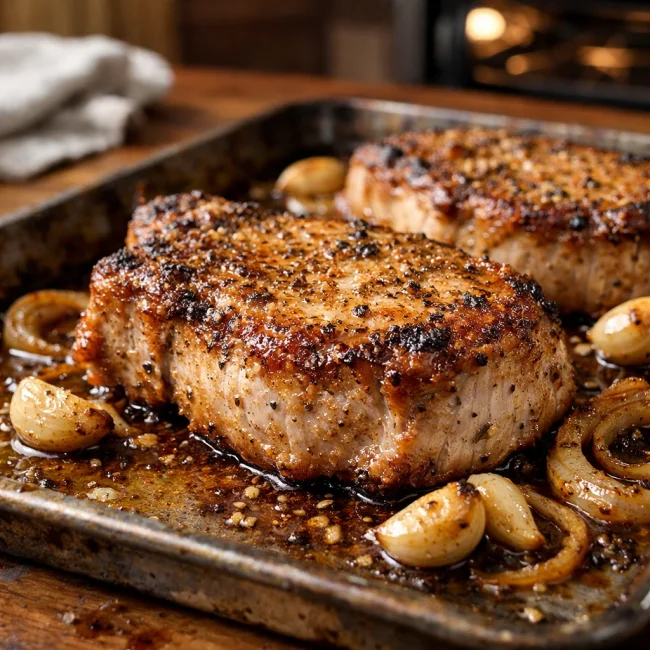
Oven-Baked Pork Chops
Enjoy a delightful dinner with these tender and juicy oven-baked pork chops, seaso...
View Recipe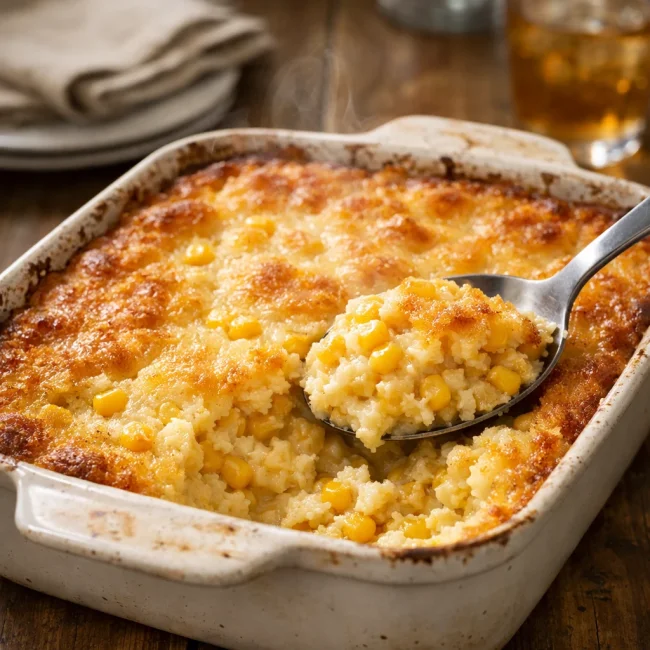
Traditional Corn Casserole
A delightful corn casserole dish that embodies the comforting flavors of sweet cor...
View Recipe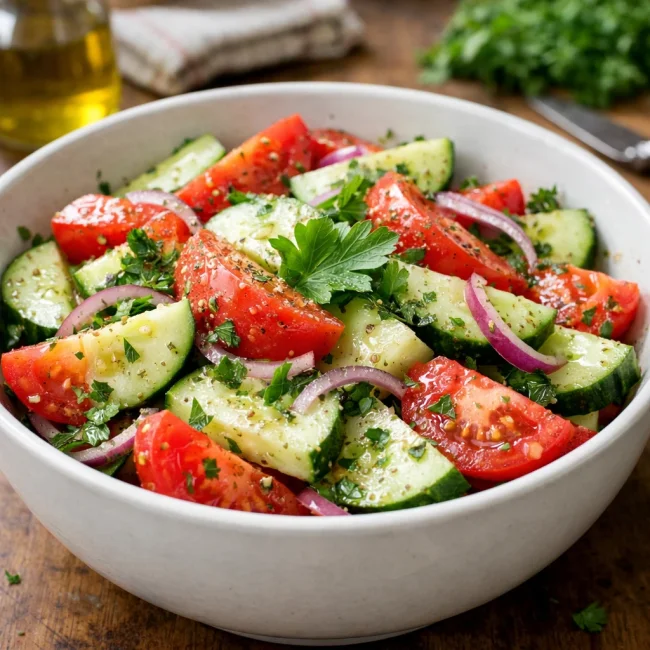
Traditional Cucumber and Tomato Salad
A refreshing and simple salad combining crisp cucumbers and juicy tomatoes, season...
View Recipe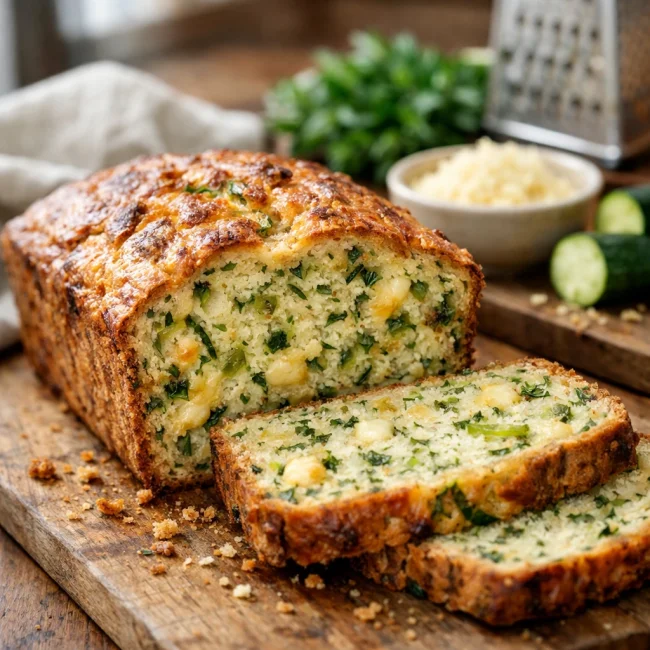
Savory Zucchini Bread
Savory Zucchini Bread is a delectable twist on traditional zucchini recipes, combi...
View RecipeFrequently Asked Questions
- Can I use milk instead of water?
- Yes, but remember that water helps keep the omelette light and fluffy. Milk will make it slightly richer.
- What if my omelette browns?
- It’s okay! A little browning won’t ruin the flavor, but next time, try lowering the heat and cooking more gently.
- Can I add cheese or vegetables?
- Absolutely! Just add them after the eggs start to set, before folding the omelette.
Serving Ideas for Classic French Omelette
This classic omelette pairs beautifully with a side of mixed greens lightly dressed in vinaigrette, providing a refreshing contrast. For a heartier meal, serve it with crusty bread and a slice of smoked salmon. A light, crisp white wine or a sparkling water with a slice of lemon makes for a perfect accompaniment.
More Breakfast & Brunch Recipes

Traditional Quiche Lorraine
Experience the classic French Quiche Lorraine, a savory pie with a flaky crust fil...
View Recipe
Lemon-Blueberry Oat Coffee Cake
This Lemon-Blueberry Oat Coffee Cake is a delightful twist on the traditional favo...
View Recipe
Smoked Salmon Benedict
A luxurious twist on the classic Eggs Benedict, featuring smoked salmon and a zest...
View Recipe
Savory Garden Veggie Quiche
A delightful and easy-to-make quiche filled with garden-fresh vegetables, perfect ...
View Recipe