
Classic Coq au Vin
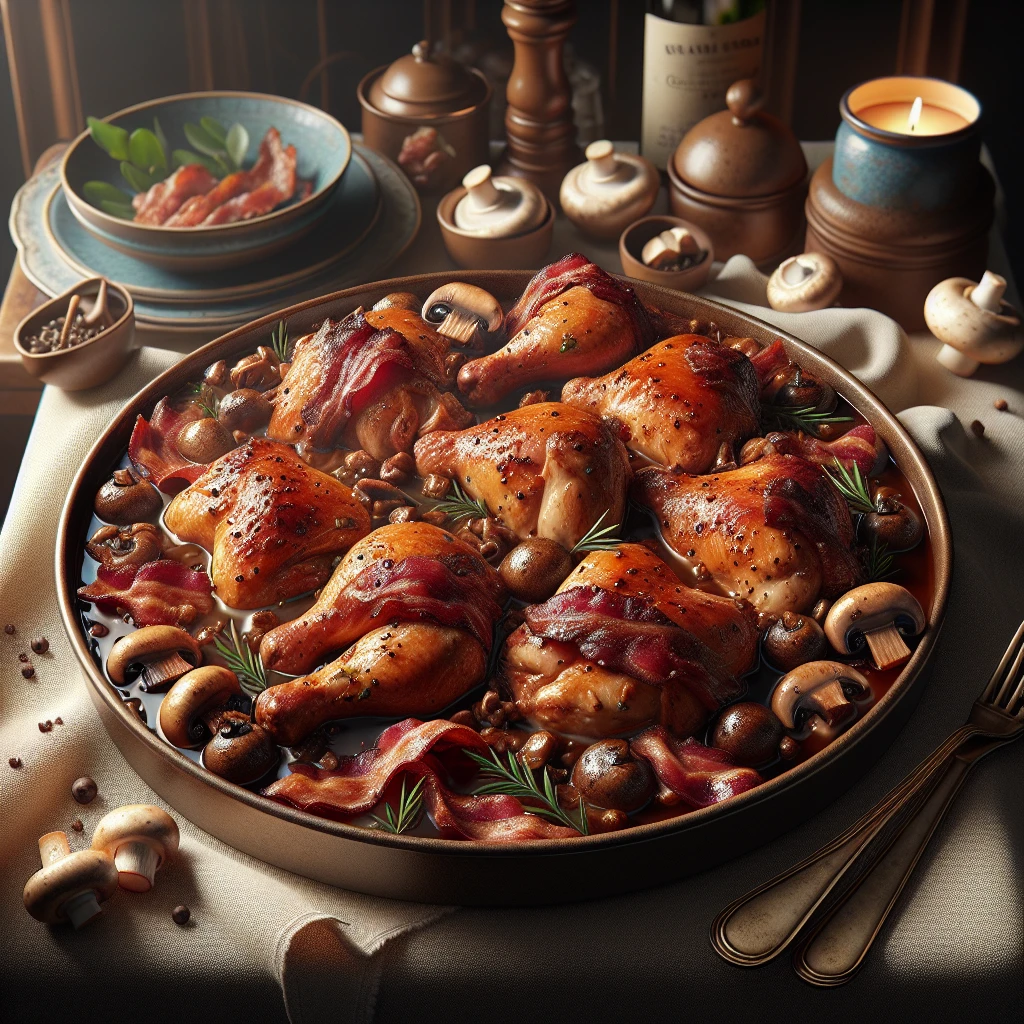
This Classic Coq au Vin is a timeless French dish that's perfect for cozy evenings. It's a luxurious blend of tender chicken, rich wine, and savory bacon, creating a meal that's both comforting and elegant. Let's dive into this delightful recipe that brings a touch of France to your kitchen.
 Share
Share
This post may contain affiliate links. As an Amazon Associate, we earn from qualifying purchases.
Ingredients for Classic Coq au Vin
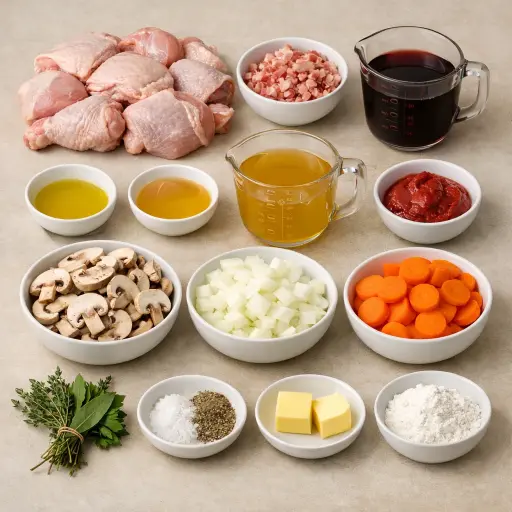
Chicken is the star of this dish, absorbing all the rich, savory flavors from the wine and aromatics. Using a whole chicken cut into pieces ensures a variety of textures.
Bacon adds a smoky depth that complements the wine and chicken. It also provides the fat needed to sauté the vegetables.
Olive oil helps in browning the chicken, enhancing the flavor and color of the meat.
Red wine, preferably Burgundy, is essential for the sauce, infusing it with a deep, robust flavor.
Chicken stock works with the wine to create a rich, flavorful base for the sauce.
Tomato paste adds a touch of sweetness and thickens the sauce slightly.
Garlic enhances the savory notes, providing a warm and inviting aroma.
Mushrooms absorb the flavors of the sauce while adding their own earthy notes.
Onion and carrots form the base of the dish, providing sweetness and texture.
The bouquet garni (with thyme, parsley, and bay leaf) infuses the dish with herbal notes, tying all the flavors together.
Butter and flour are combined to thicken the sauce, giving it a luscious, velvety texture.
Why This Classic Coq au Vin Works
Browning the bacon and chicken at the start does more than add color. As the fat melts out of the bacon, it coats the pot and the chicken pieces. That fat clings to the meat and keeps it from drying out later while it sits in the oven for a long time. The browned bits stuck to the bottom also mix into the wine and stock, so the liquid slowly picks up all that cooked-on taste.
During the long bake in the oven, the steady low heat slowly loosens the tough parts in the chicken. Connective tissue breaks down and turns almost jelly-like, so the meat becomes very tender but still holds together on the bone. At the same time, the onions, carrots, and mushrooms soften and soak up the wine and stock, so every bite tastes like the braising liquid.
Near the end, the butter and flour paste goes into the hot pot. As it warms, the flour swells and thickens the wine and stock into a smooth sauce. That thicker sauce clings to the chicken and vegetables instead of running off on the plate.
Classic Coq au Vin Tips & Tricks
- If you're short on time, marinate the chicken in wine and herbs overnight to deepen the flavor even more.
- Use a good quality wine that you would actually enjoy drinking — it makes a big difference!
- If your sauce needs more thickening, simply simmer longer or add a touch more flour paste.
Mistakes To Avoid
Crowding the pot when browning the chicken means the pieces steam in their own juices instead of searing. The skin stays pale and soft, and the meat doesn’t build any browned bits on the bottom of the pot, so the sauce ends up flatter and more watery instead of rich and glossy.
Letting the stew boil hard in the oven instead of keeping it at a gentle simmer can make the chicken stringy and dry. The liquid reduces too fast, the surface can form a tough skin, and the meat pulls away from the bone in dry shreds instead of staying tender.
Adding the mushrooms at the very start with the onions and carrots causes them to collapse and turn rubbery by the time the dish is done. They give off a lot of water early, which thins the sauce and leaves the mushrooms small, dark, and a bit squeaky instead of plump.
Throwing raw flour straight into the pot at the end instead of mixing it with butter first often leaves small flour lumps in the sauce. The liquid thickens unevenly, with pasty bits and a slightly grainy texture instead of a smooth, silky coating.
Equipment Used:
Ingredients
- 4 lbs chicken, cut into pieces
- 8 oz bacon, diced
- 2 tbsp olive oil
- 2 cups red wine (preferably Burgundy)
- 2 cups chicken stock
- 2 tbsp tomato paste
- 2 cloves garlic, minced
- 1 lb mushrooms, sliced
- 1 onion, chopped
- 2 carrots, peeled and sliced
- 1 bouquet garni (thyme, parsley, bay leaf)
- Salt and pepper to taste
- 2 tbsp butter
- 2 tbsp all-purpose flour
Step-by-step Instructions
- 1. Preheat the oven to 325°F (165°C).
- 2. In a large Dutch oven, heat olive oil over medium heat and cook the bacon until crisp. Remove and set aside.
- 3. Season the chicken pieces with salt and pepper, then brown them in the bacon fat. Remove and set aside.
- 4. In the same pot, add onions, carrots, and garlic, sautéing until softened.
- 5. Stir in the tomato paste, then add the red wine and bring to a simmer.
- 6. Return the chicken and bacon to the pot, add the chicken stock, bouquet garni, and mushrooms.
- 7. Cover and transfer to the oven, cooking for 1.5 to 2 hours until the chicken is tender.
- 8. In a small pan, combine butter and flour to form a paste, then stir into the sauce to thicken.
- 9. Remove the bouquet garni, adjust seasoning, and serve hot with crusty bread.
Trending Now

Golden Fried Yellow Squash
Experience the delightful taste of golden fried yellow squash, a quintessential So...
View Recipe
Homemade Apple Pie
Classic homemade apple pie with a buttery crust and cinnamon-spiced filling, perfe...
View Recipe
Traditional Whipped Cream Frosting
A rich and creamy whipped cream frosting perfect for topping cakes, cupcakes, and ...
View Recipe
Moist Banana Loaf
Discover the timeless charm of our Moist Banana Loaf, a luscious and tender treat ...
View RecipeFrequently Asked Questions
- Can I use white wine instead of red?
- Traditionally, Coq au Vin uses red wine, but you can substitute with white wine for a lighter flavor profile.
- Can I make this dish ahead of time?
- Yes, Coq au Vin actually improves in flavor if made a day ahead. Just reheat gently before serving.
- What if I don’t have a Dutch oven?
- You can use any oven-safe pot with a tight-fitting lid. Just make sure it's large enough to hold all the ingredients.
Serving Ideas for Classic Coq au Vin
Coq au Vin is delightful with creamy mashed potatoes or buttered noodles, soaking up all that flavorful sauce. A simple green salad on the side can add a refreshing contrast. And don't forget a loaf of crusty French bread to scoop up every last bit.
More Main Dishes Recipes
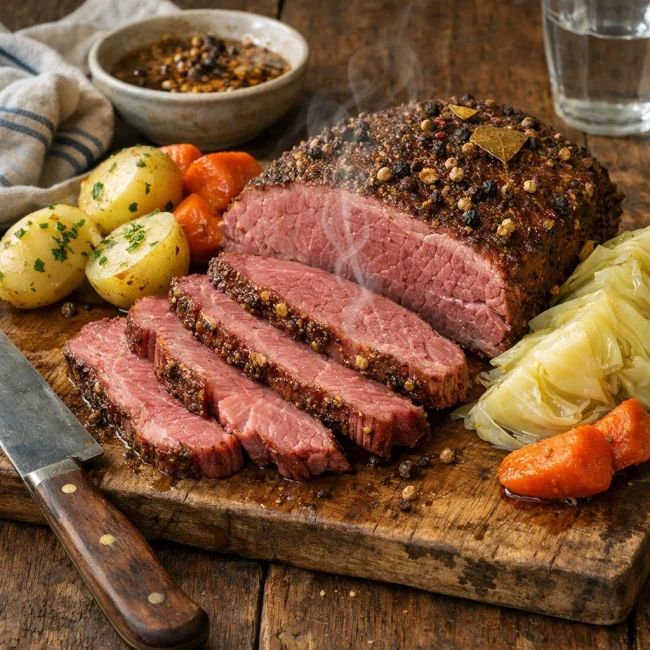
Unique Homemade Corned Beef
Discover the ultimate homemade corned beef recipe that balances rich flavors and t...
View Recipe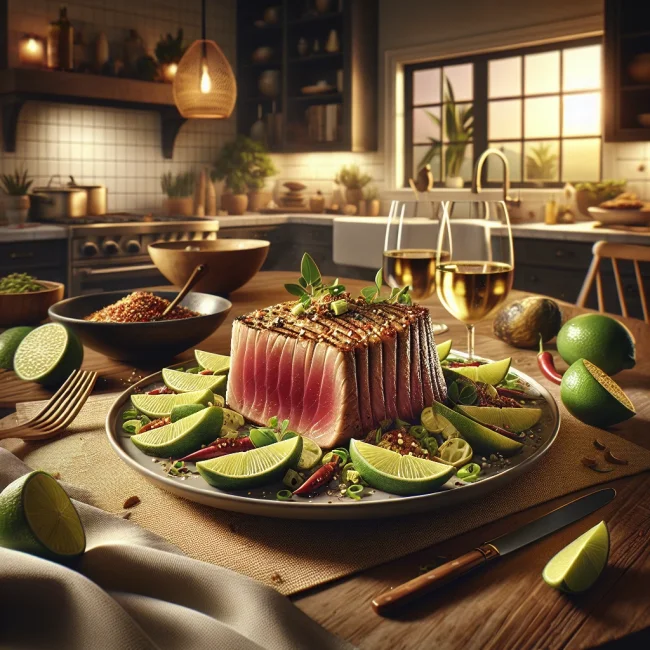
Spicy Lime Seared Ahi Tuna
Experience a burst of flavor with our Spicy Lime Seared Ahi Tuna, a perfect fusion...
View Recipe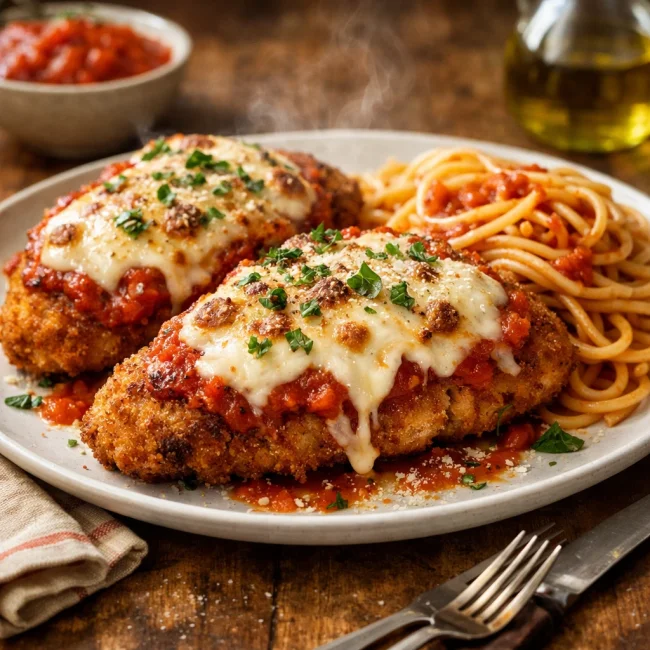
Traditional Chicken Parmesan
Savor the authentic taste of Italian cuisine with our Traditional Chicken Parmesan...
View Recipe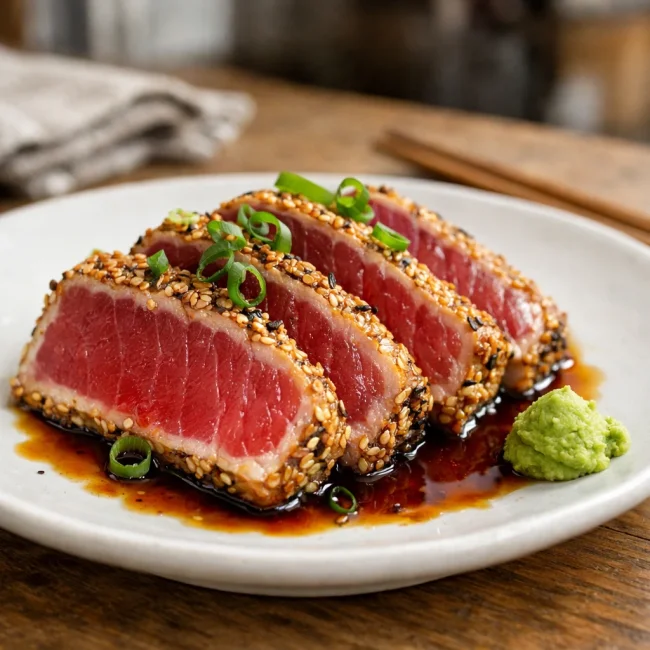
Seared Ahi Tuna
Experience the sublime taste of seared Ahi tuna, a Japanese-inspired dish that hig...
View Recipe