
Classic Cheesecake
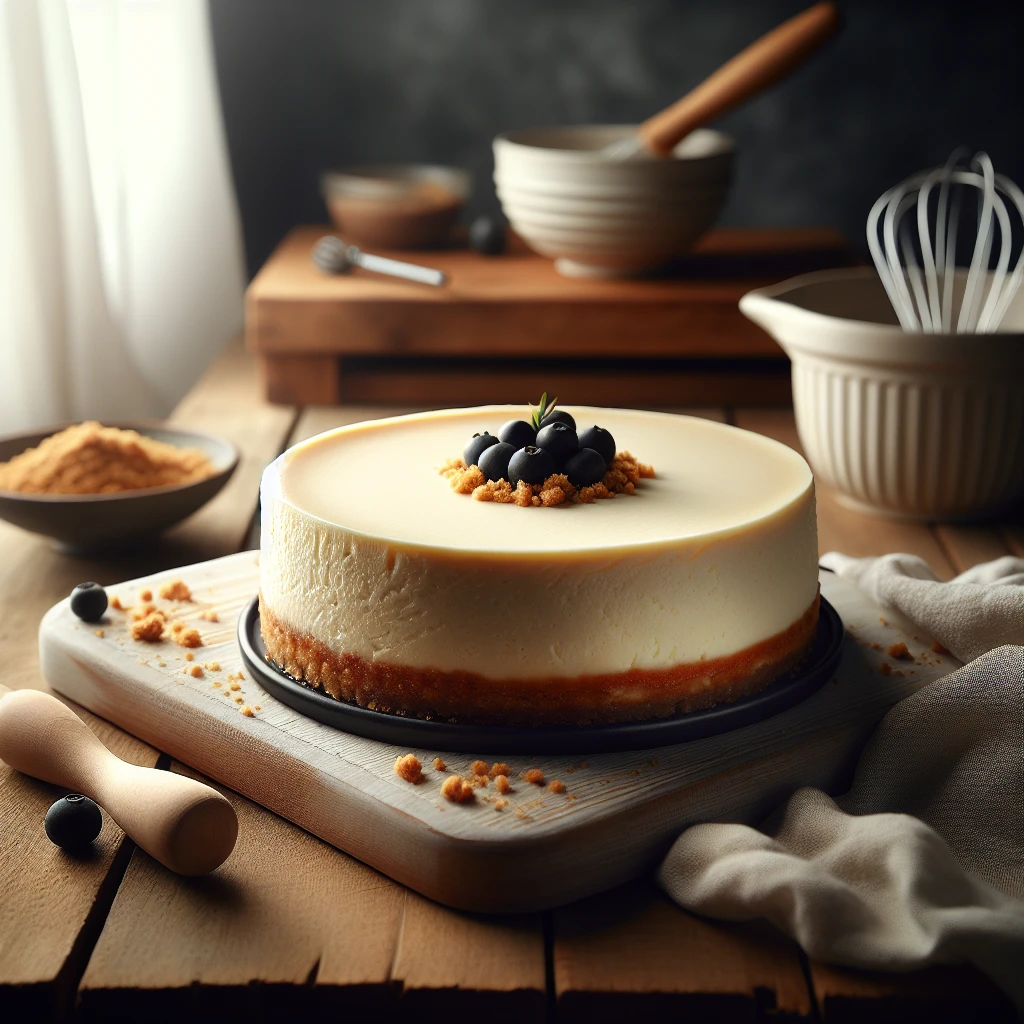
Looking for a dessert that hits the sweet spot between elegance and comfort? This Classic Cheesecake is your perfect go-to. With its velvety texture and rich flavor, it’s a timeless treat that never disappoints.
 Share
Share
This post may contain affiliate links. As an Amazon Associate, we earn from qualifying purchases.
Ingredients for Classic Cheesecake
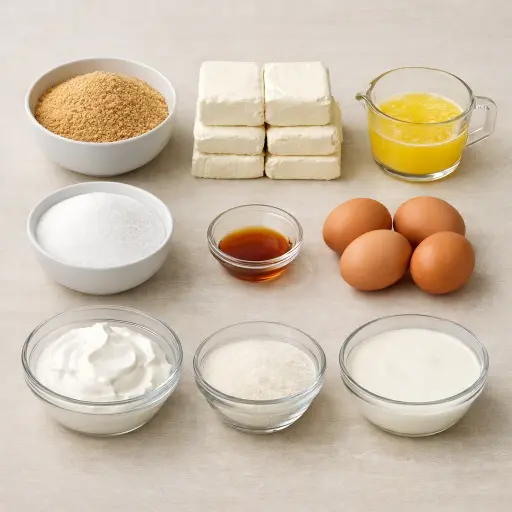
The crust is all about the graham cracker crumbs, which provide a sweet, slightly crunchy base. Combine them with granulated sugar to add a touch of sweetness, and unsalted butter for richness and to help bind the crust together.
The heart of the cheesecake is the cream cheese — it’s what gives the dessert its creamy texture and tangy flavor. Granulated sugar sweetens the filling, while vanilla extract adds a hint of aromatic flavor. Eggs help to set the cheesecake, giving it structure. Sour cream and heavy cream add an extra layer of richness and smoothness to the filling.
Why This Classic Cheesecake Works
Cream cheese is the main reason this cheesecake works. During baking, the cream cheese slowly warms up and smooths out with the sugar, eggs, sour cream, and heavy cream. All of that fat and moisture keeps the center soft and creamy instead of dry or crumbly. The eggs quietly set the cheesecake as it bakes, so it holds its shape but still has that slight jiggle in the middle.
The crust works because the graham cracker crumbs soak up the melted butter and sugar, then firm up in the oven. Once cooled, that butter hardens again and the crust stays together in neat slices.
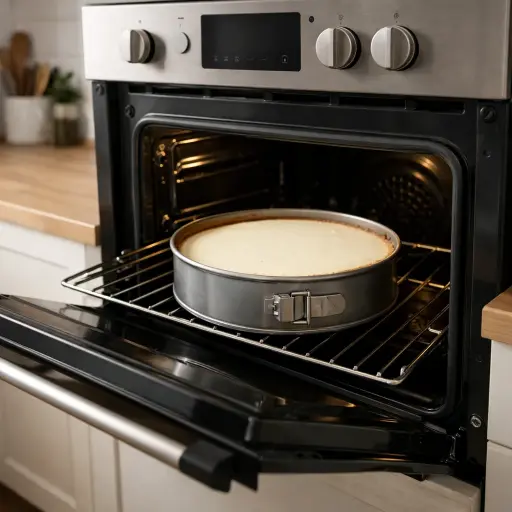
Leaving the cheesecake in the turned-off oven lets the heat drop slowly. That gentle cooling keeps the top from cracking and lets the inside finish setting without overbaking. Chilling in the fridge afterward gives the cheesecake time to firm up all the way through, so the texture ends up smooth, dense, and creamy from edge to center.
Classic Cheesecake Tips & Tricks
- Make sure the cream cheese is fully softened before mixing; it blends much better this way.
- To avoid cracks, don't overbeat the batter once you add the eggs.
- If you’re worried about leaks, wrap the springform pan with aluminum foil before baking.
Mistakes To Avoid
Overbaking the cheesecake until the center is fully firm in the oven often leads to a dry, crumbly texture instead of a smooth, creamy one. The edges can turn tough and slightly rubbery, and the top may crack deeply as it cools because it has lost too much moisture.
Skipping the slow cool-down in the turned-off oven makes the cheesecake go from hot to cooler air too fast. This sudden change causes the top to split and sometimes sink in the middle, giving a cracked, uneven surface even if the inside is baked correctly.
Using cream cheese that is still cold and lumpy in the batter tends to leave small chunks that never fully smooth out. Those pieces don’t blend with the eggs and cream, so the baked cheesecake can have a grainy, uneven texture instead of one solid, silky layer.
Beating the batter too hard after adding the eggs pushes a lot of air into the mixture. In the oven, that trapped air makes the cheesecake puff up and then collapse as it cools, leading to a sunken center and a spongy, less dense texture.
Equipment Used:
Ingredients
- 1 1/2 cups graham cracker crumbs
- 1/4 cup granulated sugar
- 1/2 cup unsalted butter, melted
- 4 packages (8 oz each) cream cheese, softened
- 1 1/4 cups granulated sugar
- 1 teaspoon vanilla extract
- 4 large eggs
- 2/3 cup sour cream
- 2/3 cup heavy cream
Step-by-step Instructions
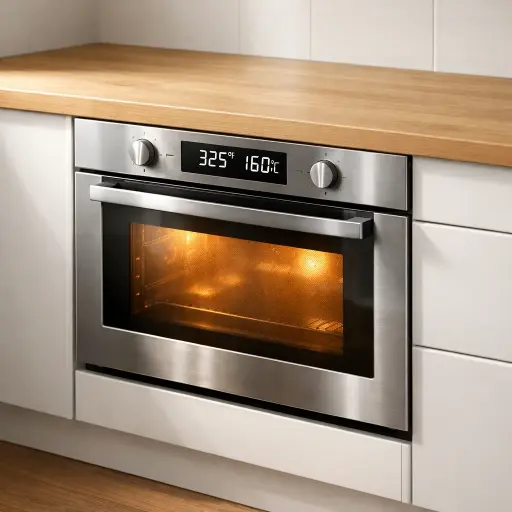
- Step 1: Preheat your oven to 325°F (160°C).
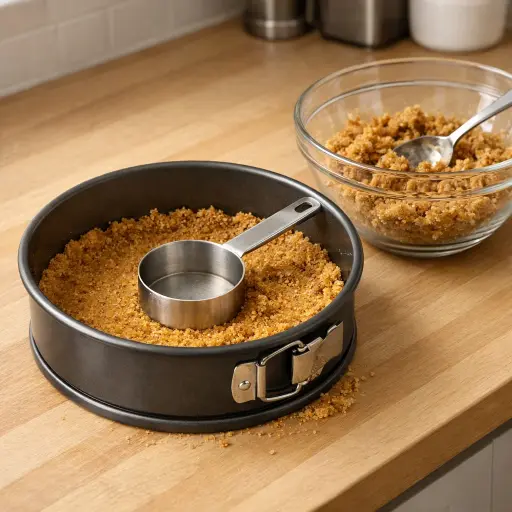
- Step 2: In a medium bowl, combine graham cracker crumbs, 1/4 cup sugar, and melted butter. Press mixture firmly into the bottom of a 9-inch springform pan.
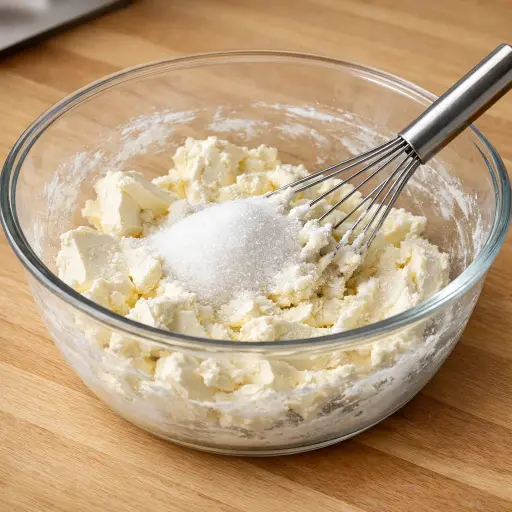
- Step 3: In a large mixing bowl, beat the cream cheese and 1 1/4 cups sugar until smooth and creamy.
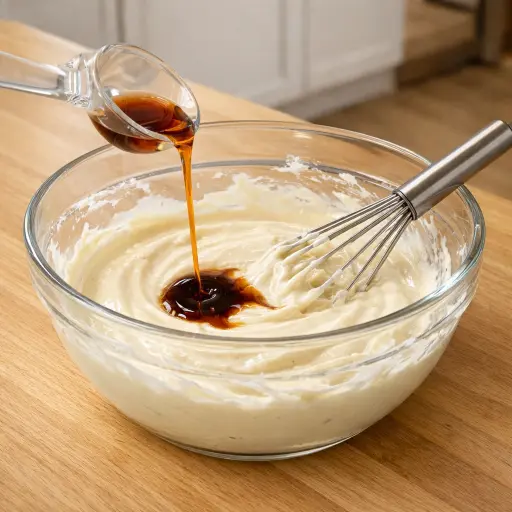
- Step 4: Add vanilla extract and mix well.
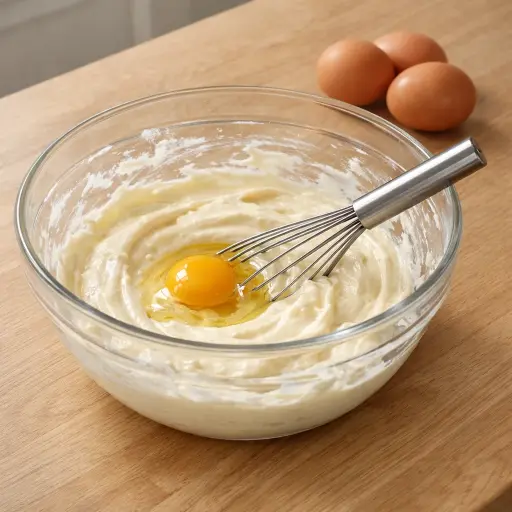
- Step 5: Add eggs one at a time, beating gently until just combined.
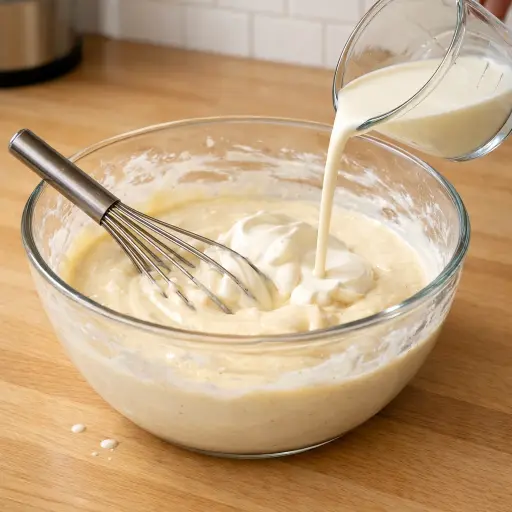
- Step 6: Fold in sour cream and heavy cream, mixing until the batter is smooth.
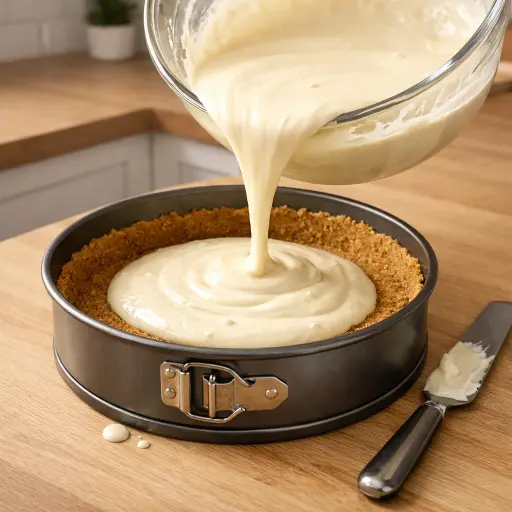
- Step 7: Pour the cream cheese mixture over the crust in the springform pan.
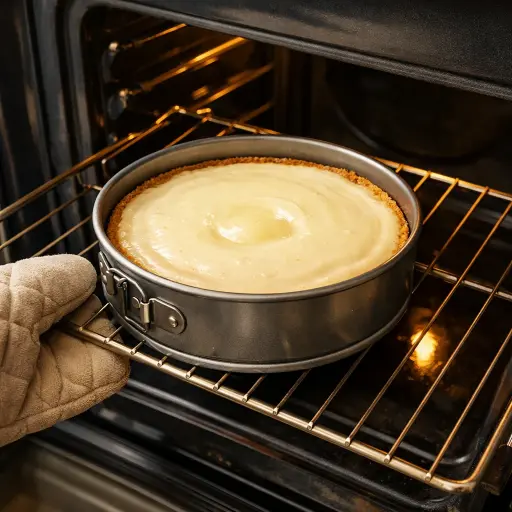
- Step 8: Bake in the preheated oven for 55-60 minutes, or until the center is set but still slightly jiggly.
- Step 9: Turn off the oven and leave the cheesecake inside with the door slightly open for 1 hour.
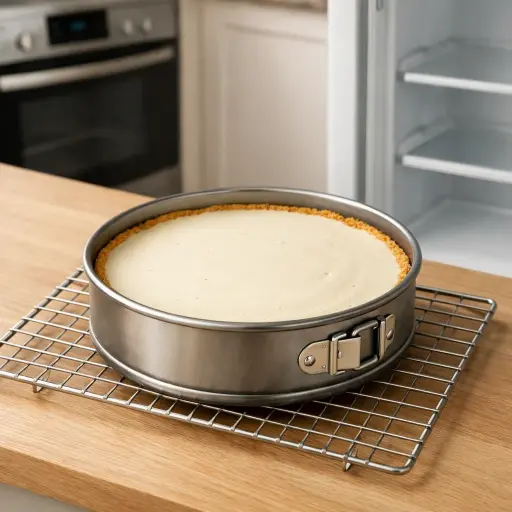
- Step 10: Remove from oven and let cool to room temperature, then refrigerate for at least 4 hours or overnight before serving.
Trending Now
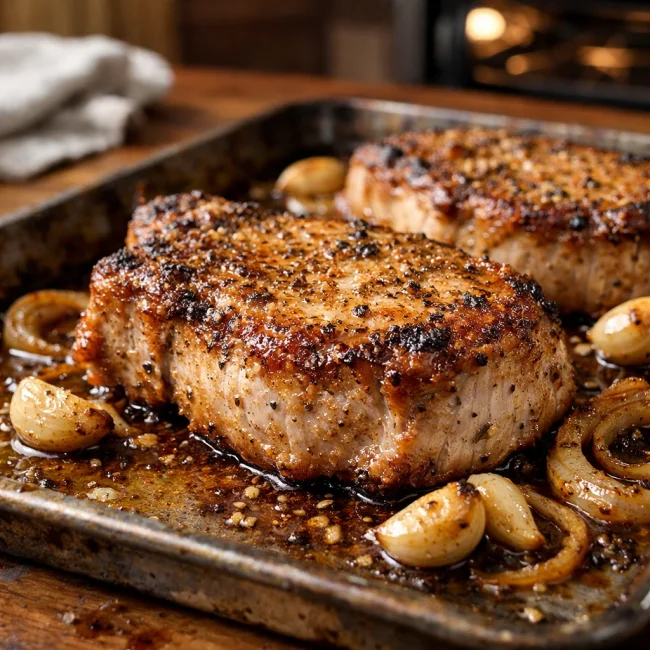
Oven-Baked Pork Chops
Enjoy a delightful dinner with these tender and juicy oven-baked pork chops, seaso...
View Recipe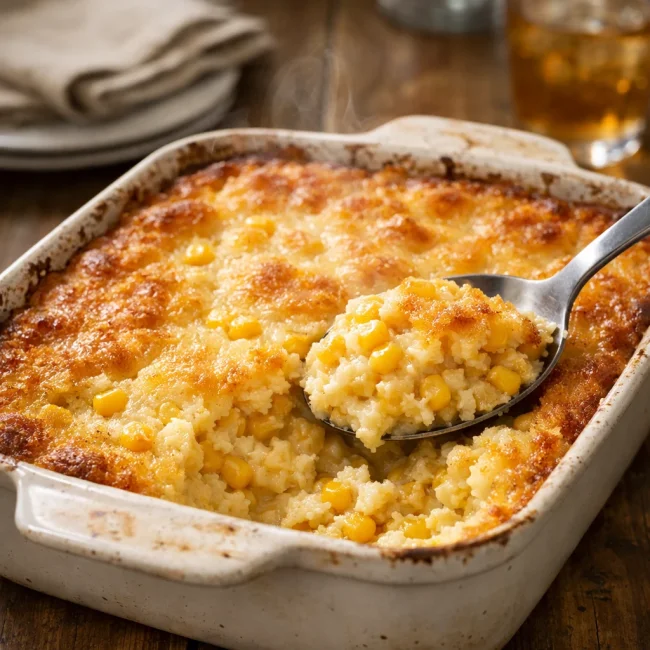
Traditional Corn Casserole
A delightful corn casserole dish that embodies the comforting flavors of sweet cor...
View Recipe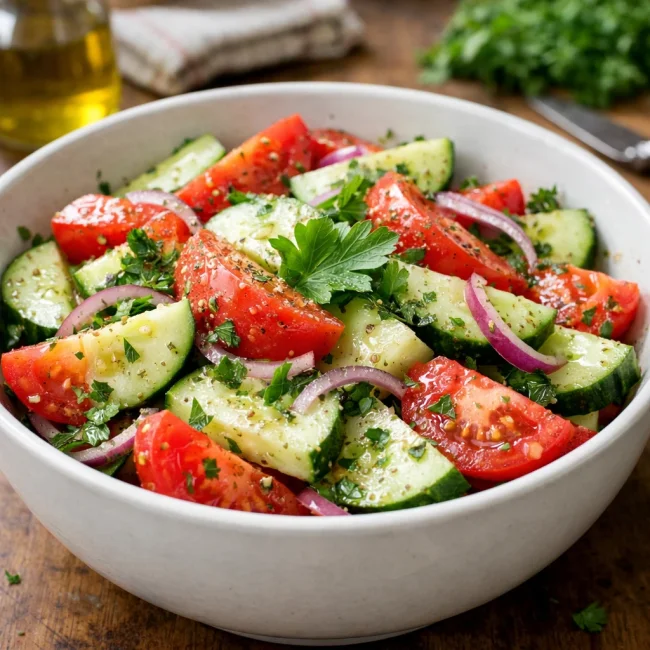
Traditional Cucumber and Tomato Salad
A refreshing and simple salad combining crisp cucumbers and juicy tomatoes, season...
View Recipe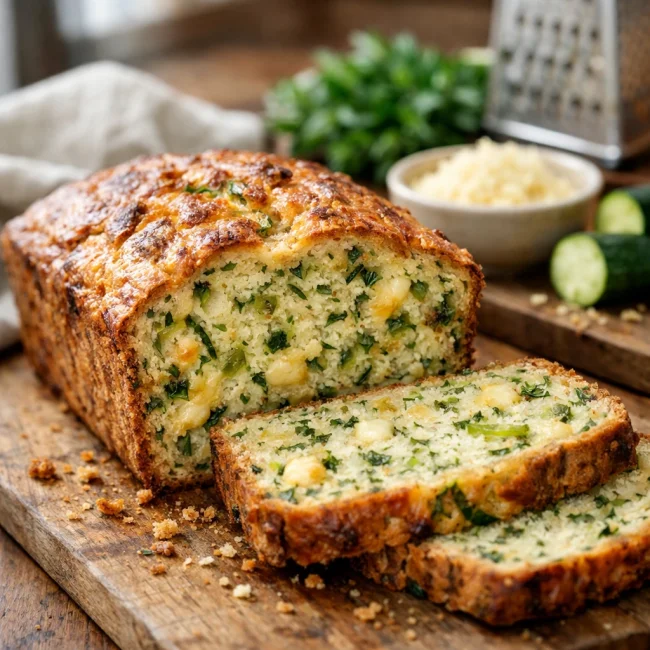
Savory Zucchini Bread
Savory Zucchini Bread is a delectable twist on traditional zucchini recipes, combi...
View RecipeFrequently Asked Questions
- Can I use low-fat cream cheese?
- Using low-fat cream cheese can affect the texture and richness. Full-fat is recommended for the best results.
- How do I know when my cheesecake is done?
- The edges should be set and the center should still have a slight jiggle. It will firm up as it cools.
- How long can I store the cheesecake?
- It can be stored in the refrigerator for up to 5 days or frozen for up to 2 months.
Serving Ideas for Classic Cheesecake
This cheesecake pairs wonderfully with a fresh berry compote or a drizzle of caramel sauce. For a more refreshing twist, top it with lemon curd or passion fruit pulp.
More Desserts Recipes
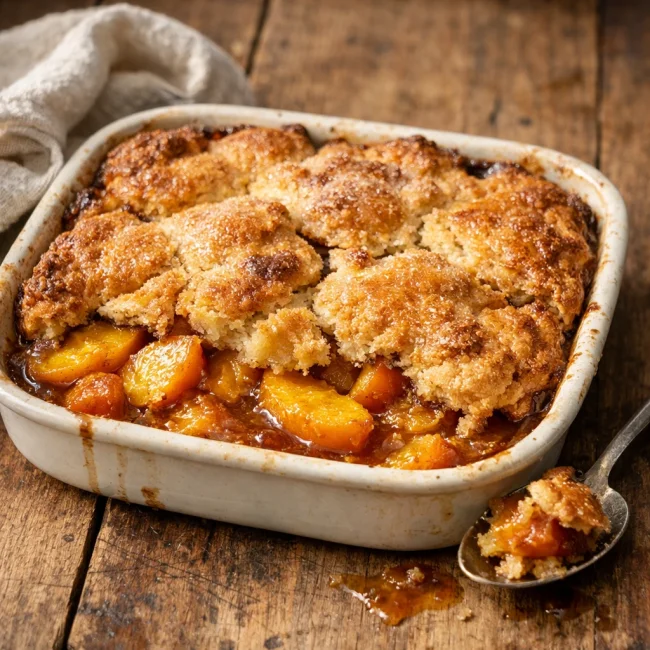
Rustic Vanilla Peach Cobbler
This rustic vanilla peach cobbler combines a rich, buttery crust with the sweet, v...
View Recipe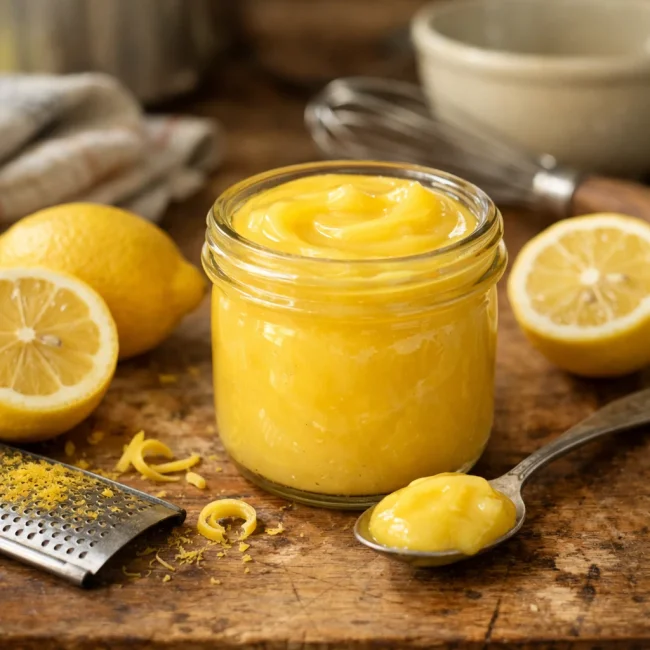
Traditional Lemon Curd
A classic, tangy lemon curd that is perfect for enhancing desserts, breakfast dish...
View Recipe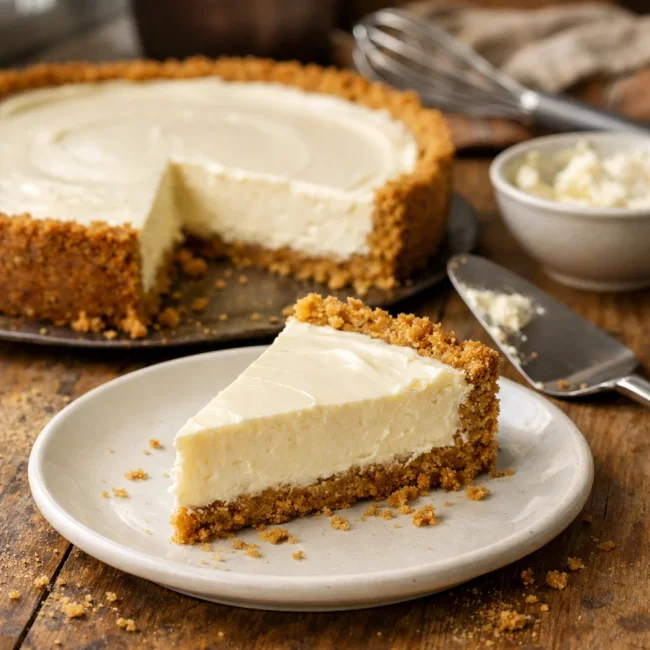
Traditional Cream Cheese Pie
A delightful and timeless dessert, Traditional Cream Cheese Pie offers a rich and ...
View Recipe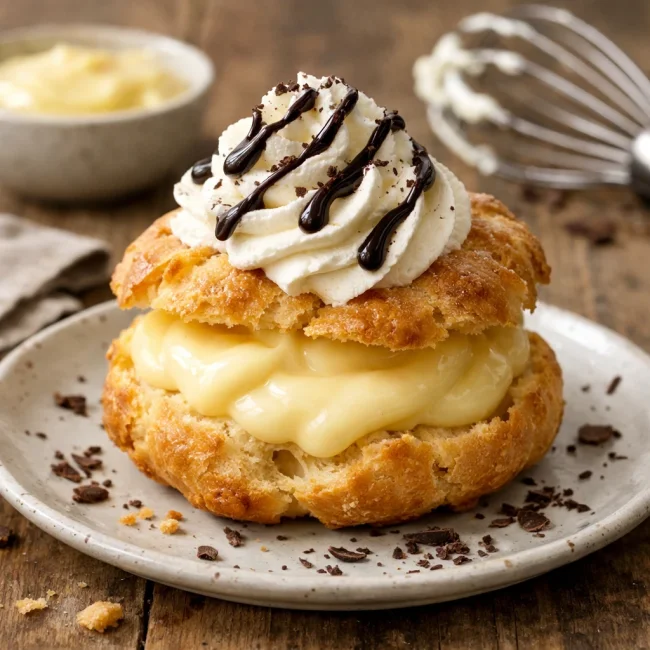
Timeless Cream Puff Delight
Indulge in a delectable Timeless Cream Puff Delight, a classic dessert featuring a...
View Recipe