
Cinnamon Raisin Bread
Cinnamon Raisin Bread is a delightful homemade treat that's perfect for breakfast or a mid-afternoon snack. With its warm, aromatic spices and sweet raisins, this bread is a comforting classic that fills your kitchen with a cozy scent. Easy enough for beginners yet satisfying for seasoned bakers, this recipe is a must-try.
 Share
Share

This post may contain affiliate links. As an Amazon Associate, we earn from qualifying purchases.
Ingredients for Cinnamon Raisin Bread
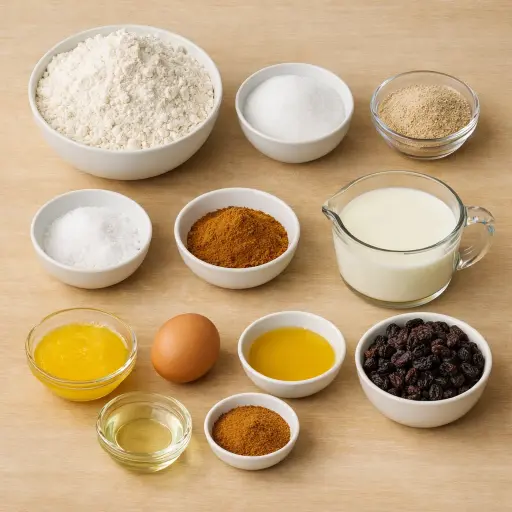
All-purpose flour forms the base of the dough, providing structure and a light crumb. Granulated sugar adds just enough sweetness to balance the spice. Active dry yeast is the magic ingredient that makes the bread rise and gives it that delightful airy texture. Salt is crucial for enhancing the flavor of the bread, while ground cinnamon infuses the dough with a warm, cozy aroma.
Warm milk helps to activate the yeast and makes the dough soft and tender. Unsalted butter, melted, adds richness and a subtle buttery flavor. Egg contributes to the bread’s structure and moisture. Raisins provide bursts of natural sweetness and texture throughout the bread. Vegetable oil is used to grease the bowl for rising, ensuring the dough doesn’t stick. Lastly, a bit of additional ground cinnamon and melted butter for brushing give the loaf a deliciously aromatic and attractive finish.
Why This Cinnamon Raisin Bread Works
As the flour, sugar, yeast, salt, and cinnamon sit with the warm milk, melted butter, and egg, the yeast wakes up and starts feeding on the sugar. Tiny bubbles form inside the dough, and the gluten in the flour stretches around those bubbles. During kneading, that gluten gets stronger and smoother, so the dough can trap more gas and rise high instead of spreading out and staying flat.
While the dough rests in the bowl, it slowly puffs up as more gas builds inside. After the raisins are kneaded in, they sit inside that soft dough and hold on to some moisture, so the bread doesn’t dry out. Rolling the dough into a tight loaf gives the bread an even shape and keeps the cinnamon dusted inside from clumping in one spot.
In the oven, the heat sets the gluten structure, so the loaf keeps its shape once it rises. The milk, butter, and egg keep the crumb soft instead of tough. By the time it cools, the bread stays light, slightly chewy, and slices without falling apart.
Cinnamon Raisin Bread Tips & Tricks
- If your kitchen is a bit chilly, let the dough rise in an oven that's been slightly warmed and then turned off.
- Soak the raisins in warm water for 10 minutes before adding them to the dough for an extra plump and juicy texture.
- To avoid sticking, lightly oil your hands before kneading the dough.
Mistakes To Avoid
Letting the milk get too hot before mixing with the yeast mixture can quietly kill the yeast. The dough then barely rises, stays heavy, and bakes into a dense, tight loaf instead of something soft and fluffy.
Adding the raisins too early, before the first rise, makes them soak up moisture from the dough the whole time. The dough dries out, feels stiff while shaping, and the finished bread turns out tougher with hard, chewy raisins instead of soft ones spread through the loaf.
Rushing the kneading step leaves the dough rough and uneven. The gluten never really forms a good structure, so the loaf rises unevenly, can collapse a bit in the oven, and slices crumble instead of holding together.
Skipping the second rise in the pan means the shaped loaf goes into the oven before it has filled out. The bread bakes shorter and denser, with a tight swirl and small, heavy slices instead of a tall, light loaf.
Rolling the dough too loosely around the cinnamon layer creates big gaps inside. During baking, the loaf can separate along the swirl, leaving large holes and slices that fall apart.
Equipment Used:
Ingredients
- 4 cups all-purpose flour
- 1/3 cup granulated sugar
- 2 1/2 teaspoons active dry yeast
- 1 1/4 teaspoons salt
- 1 teaspoon ground cinnamon
- 1 1/4 cups warm milk
- 1/4 cup unsalted butter, melted
- 1 large egg
- 1 cup raisins
- 1 tablespoon vegetable oil
- 1 additional teaspoon ground cinnamon for dusting
- 1 tablespoon melted butter for brushing
Step-by-step Instructions
- 1. In a large bowl, combine the flour, sugar, yeast, salt, and cinnamon.
- 2. Stir in the warm milk, melted butter, and egg until a soft dough forms.
- 3. Knead the dough on a floured surface for about 8 minutes until smooth and elastic.
- 4. Place the dough in a greased bowl, cover, and let rise in a warm place for 1 hour or until doubled in size.
- 5. Punch down the dough and knead in the raisins until evenly distributed.
- 6. Roll the dough into a rectangle, sprinkle with additional cinnamon, and roll it up tightly into a loaf.
- 7. Place the loaf in a greased 9x5 inch loaf pan, cover, and let rise again for 30 minutes.
- 8. Preheat the oven to 375°F (190°C).
- 9. Brush the loaf with melted butter and bake for 35-40 minutes until golden brown and the bread sounds hollow when tapped.
- 10. Cool on a wire rack before slicing.
Trending Now
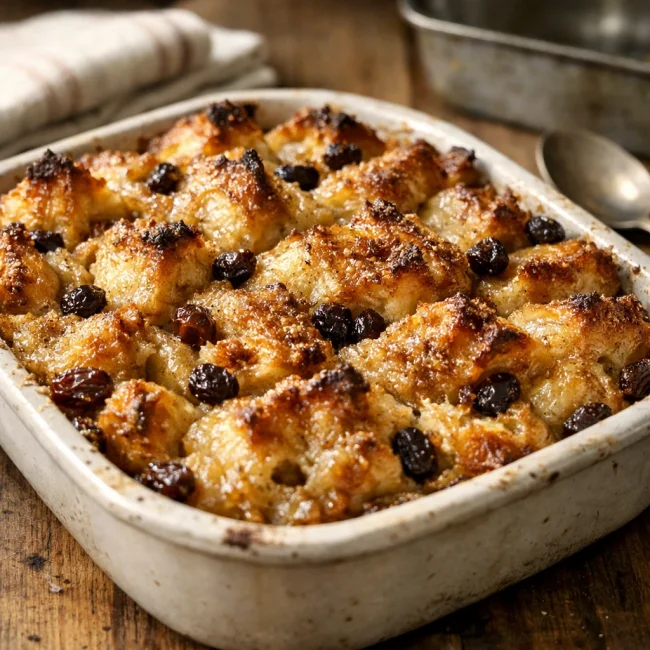
Old-Fashioned Bread Pudding
Discover the classic charm of Old-Fashioned Bread Pudding - a timeless dessert com...
View Recipe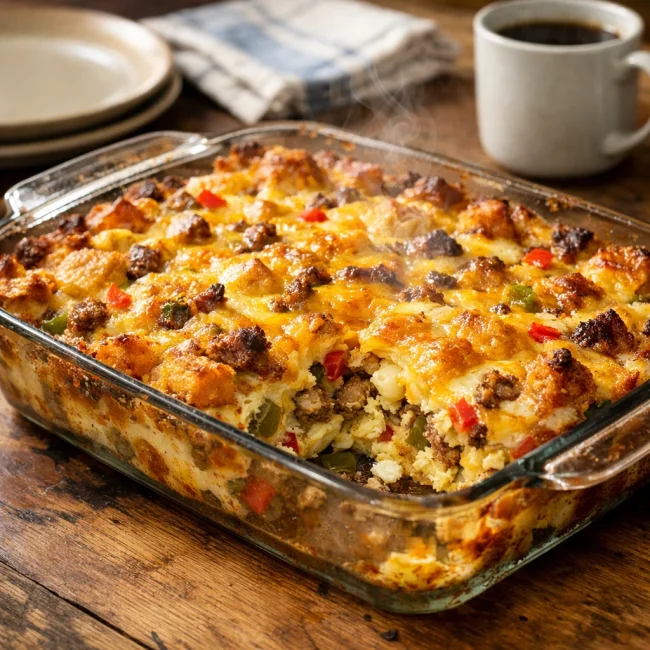
Hearty Breakfast Casserole
This Hearty Breakfast Casserole is the quintessential morning dish, combining savo...
View Recipe
Traditional Stuffed Peppers
Explore the delightful blend of seasoned beef, rice, and tomato sauce nestled in v...
View Recipe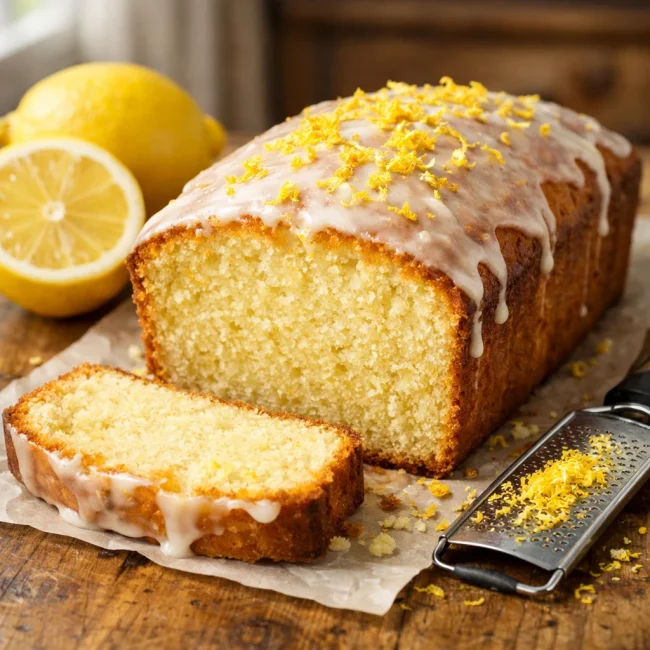
Traditional Lemon Pound Cake
A delightful and moist traditional lemon pound cake infused with the fresh zest an...
View RecipeFrequently Asked Questions
- Can I use whole wheat flour instead?
- Yes, you can replace up to half of the all-purpose flour with whole wheat flour, but expect a denser texture.
- Can I add nuts?
- Absolutely! Chopped walnuts or pecans would complement the flavors beautifully. Just knead them in along with the raisins.
- How do I store leftovers?
- Store in an airtight container at room temperature for up to 3 days, or freeze for up to 2 months.
Serving Ideas for Cinnamon Raisin Bread
This Cinnamon Raisin Bread is delightful on its own, but for a real treat, toast slices and spread with a bit of cream cheese for a tangy contrast. It also pairs wonderfully with a cup of herbal tea or hot apple cider on a chilly day.
More Breads & Baked Goods Recipes

Traditional Italian Easter Bread
Savor the delightful taste of a classic Italian Easter bread, a sweet, soft, and s...
View Recipe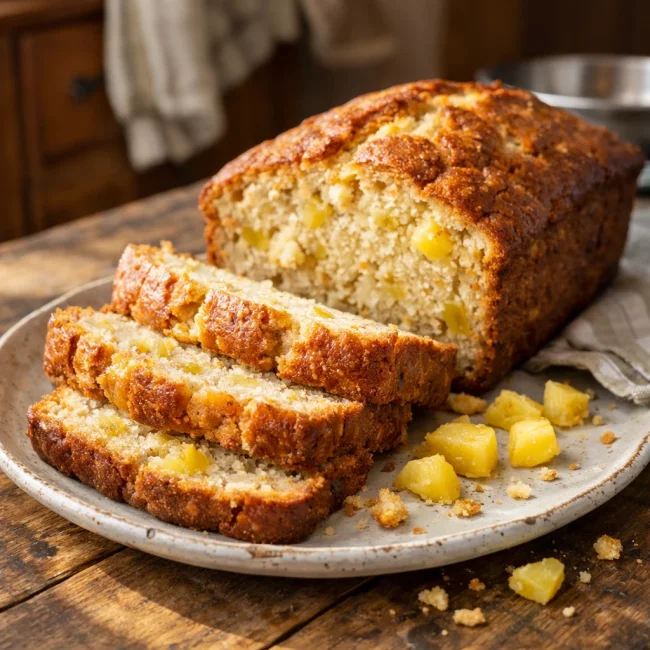
Old-Fashioned Pineapple Bread
A delightful and flavorful bread infused with juicy pineapple, perfect for breakfa...
View Recipe
Old-Fashioned Blueberry Muffins
Transport yourself to simpler times with these delightful old-fashioned blueberry ...
View Recipe
Strawberry Basil Scones
These tender scones combine the sweetness of fresh strawberries with a hint of pep...
View Recipe