
Chestnut Flour Pasta
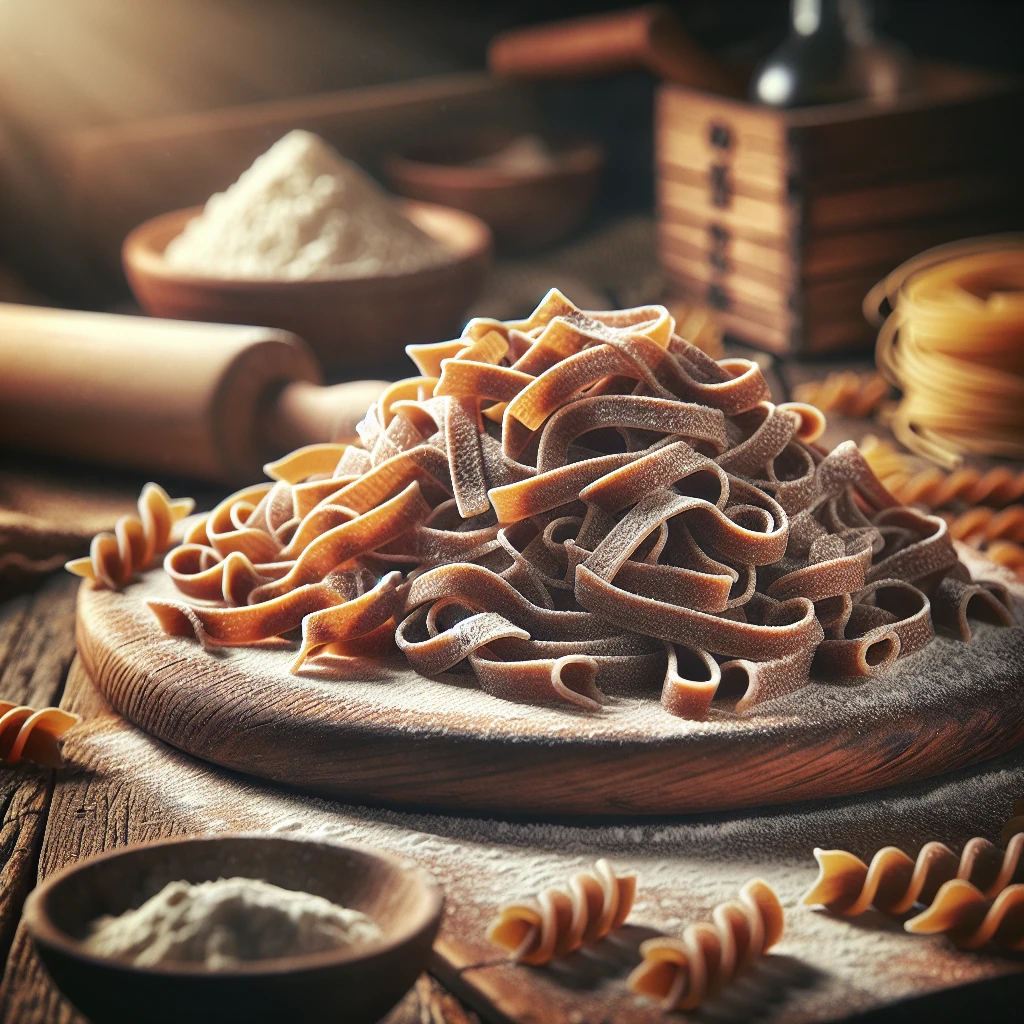
Chestnut flour pasta brings a delightful nutty flavor to your table, offering a unique twist on traditional pasta. Perfect for cozy autumn dinners or impressing guests with something a bit out of the ordinary, this homemade pasta is both flavorful and versatile.
 Share
Share
This post may contain affiliate links. As an Amazon Associate, we earn from qualifying purchases.
Ingredients for Chestnut Flour Pasta
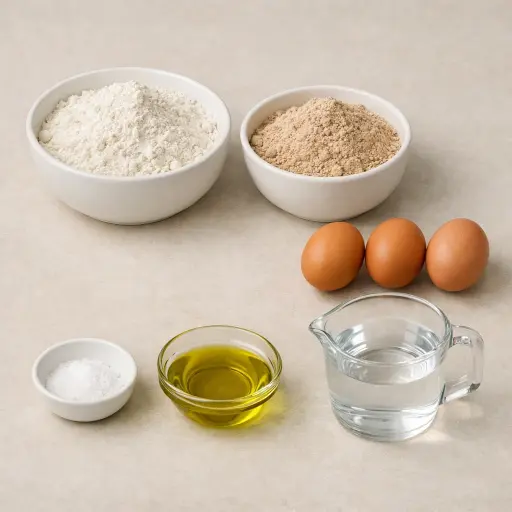
All-purpose flour provides structure and elasticity to the pasta, making it easy to work with. Chestnut flour adds a sweet, earthy flavor and a lovely aroma, making the pasta stand out. Eggs bind everything together and add richness, while salt enhances all the flavors. Olive oil helps in making the dough smooth and supple, adding a touch of richness. A bit of water might be needed to adjust the dough's consistency, ensuring it’s easy to knead and roll out.
Why This Chestnut Flour Pasta Works
When the two flours are mixed, the all-purpose flour brings strong gluten and the chestnut flour brings flavor but not much strength. As the eggs and olive oil are worked in, the liquid soaks into both flours. The gluten in the all-purpose flour starts to form long stretchy strands, and those strands wrap around the softer chestnut flour. That way the dough can stretch without cracking, even though chestnut flour on its own would break apart.
During the long kneading, those strands line up and the dough becomes smooth and elastic instead of rough and crumbly. After that, the rest time lets the gluten relax. The dough stops springing back so much, so it can be rolled very thin without tearing. In the boiling water, the outside of each noodle firms up and sets, while the inside stays a little tender. The chestnut flour gives the pasta a slightly denser bite, but the structure from the all-purpose flour keeps each strand holding together instead of falling apart in the pot.
Chestnut Flour Pasta Tips & Tricks
- When kneading, if the dough feels sticky, dust your hands and the surface with more flour.
- Use a pasta drying rack or hang your cut pasta on a clean broomstick balanced between two chairs to prevent sticking.
- If you don’t have a pasta machine, roll the dough as thin as you can with a rolling pin.
Mistakes To Avoid
Rolling the dough too thin with this much chestnut flour often makes the pasta tear in the water. The strands soften fast, break apart, and turn into mushy bits instead of holding a nice shape.
Adding a lot of water early to “fix” a dry dough can cause trouble. The dough then needs extra flour to handle, which throws off the chestnut-to-wheat balance and gives heavy, gummy pasta instead of a firm bite.
Skipping the resting time means the gluten never relaxes. The dough fights back while rolling, springs shorter, and ends up thicker and tougher than planned, so the cooked pasta feels dense and chewy.
Cooking the pasta as long as regular dried pasta is another common issue. Fresh chestnut pasta softens quickly; left in the pot too long, it swells, loses its shape, and turns sticky and pasty on the outside.
Using very little salt in the boiling water leaves the pasta tasting flat and dull. The dough itself is plain, so the noodles come out bland and rely completely on the sauce to feel satisfying.
Equipment Used:
Ingredients
- 2 cups all-purpose flour
- 1 cup chestnut flour
- 4 large eggs
- 1/2 teaspoon salt
- 2 tablespoons olive oil
- Water as needed for dough consistency
Step-by-step Instructions
- 1. In a large mixing bowl, combine all-purpose flour, chestnut flour, and salt.
- 2. Make a well in the center and add eggs and olive oil.
- 3. Gradually mix the ingredients together, incorporating flour from the sides of the well.
- 4. Knead the dough on a floured surface for about 10 minutes until smooth and elastic.
- 5. Wrap the dough in plastic wrap and let it rest for at least 30 minutes.
- 6. Roll out the dough using a pasta machine or rolling pin to the desired thickness.
- 7. Cut the pasta into your preferred shape, such as fettuccine or tagliatelle.
- 8. Cook the pasta in boiling salted water for 3-5 minutes until al dente.
- 9. Drain and serve with your favorite sauce.
Trending Now
Oven-Baked Pork Chops
Enjoy a delightful dinner with these tender and juicy oven-baked pork chops, seaso...
View Recipe
Traditional Corn Casserole
A delightful corn casserole dish that embodies the comforting flavors of sweet cor...
View Recipe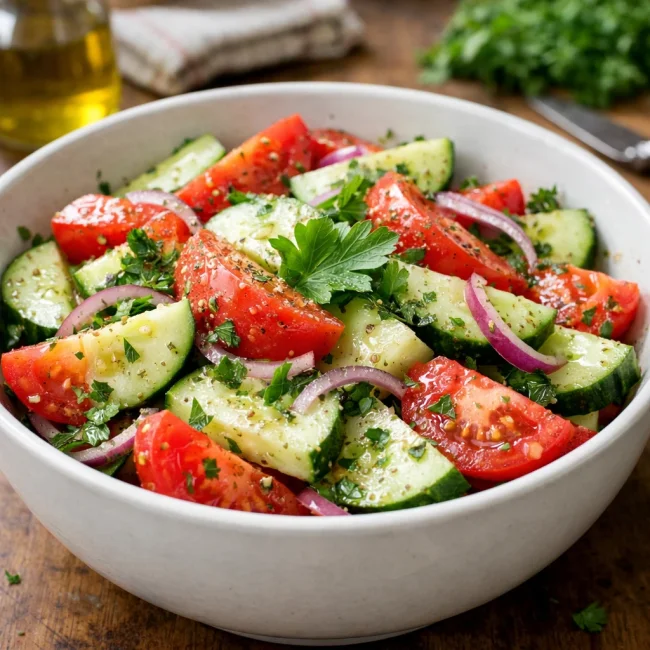
Traditional Cucumber and Tomato Salad
A refreshing and simple salad combining crisp cucumbers and juicy tomatoes, season...
View Recipe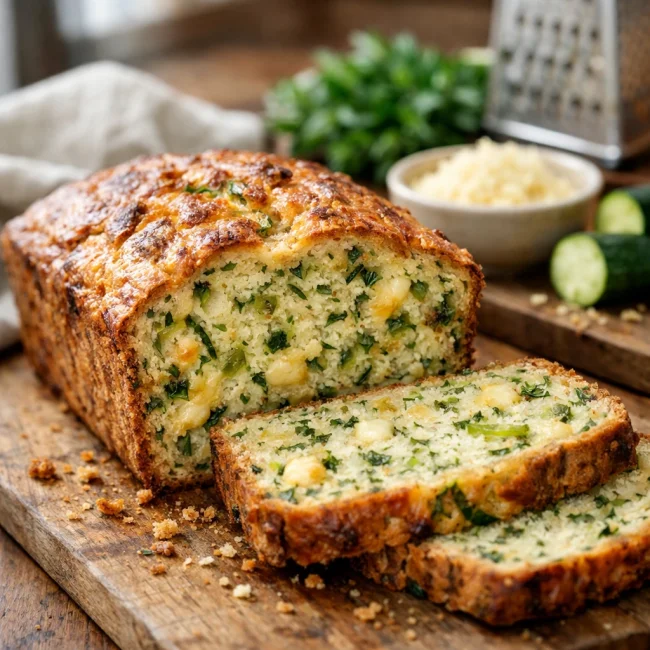
Savory Zucchini Bread
Savory Zucchini Bread is a delectable twist on traditional zucchini recipes, combi...
View RecipeFrequently Asked Questions
- Can I use all chestnut flour instead of a mix?
- Using only chestnut flour would make the pasta too crumbly. The mix with all-purpose flour provides the necessary structure.
- How long can I store homemade pasta?
- Fresh pasta can be stored in the refrigerator for up to 2 days or frozen for up to a month.
- Is chestnut flour gluten-free?
- Chestnut flour itself is gluten-free, but this recipe is not due to the all-purpose flour.
Serving Ideas for Chestnut Flour Pasta
This chestnut flour pasta pairs wonderfully with a simple sage and brown butter sauce, which complements its nutty flavor. For a more robust dish, try it with a mushroom cream sauce or a hearty beef ragu. A sprinkle of freshly grated Parmesan and a handful of chopped parsley or basil can also elevate the dish beautifully.
More Pasta Recipes
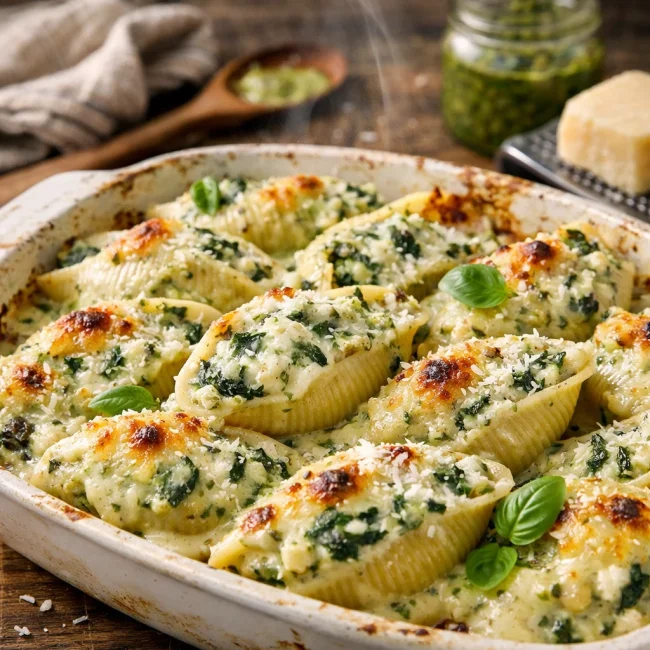
Spinach and Ricotta Stuffed Shells with Pesto Alfredo
Try this delicious twist on classic stuffed shells with a creamy pesto Alfredo sau...
View Recipe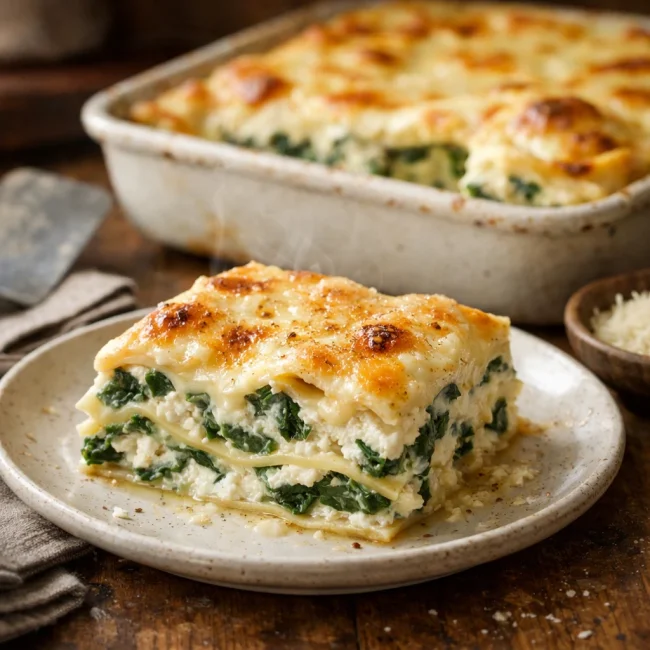
Spinach and Ricotta White Lasagna
A unique twist on the classic lasagna, this white lasagna combines creamy ricotta,...
View Recipe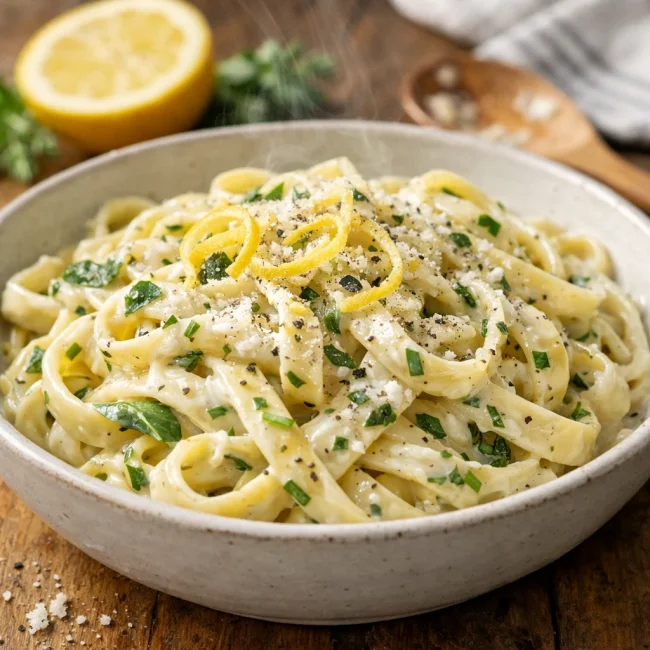
Lemon Herb Fettuccine Alfredo
Lemon Herb Fettuccine Alfredo is a refreshing twist on the classic dish, combining...
View Recipe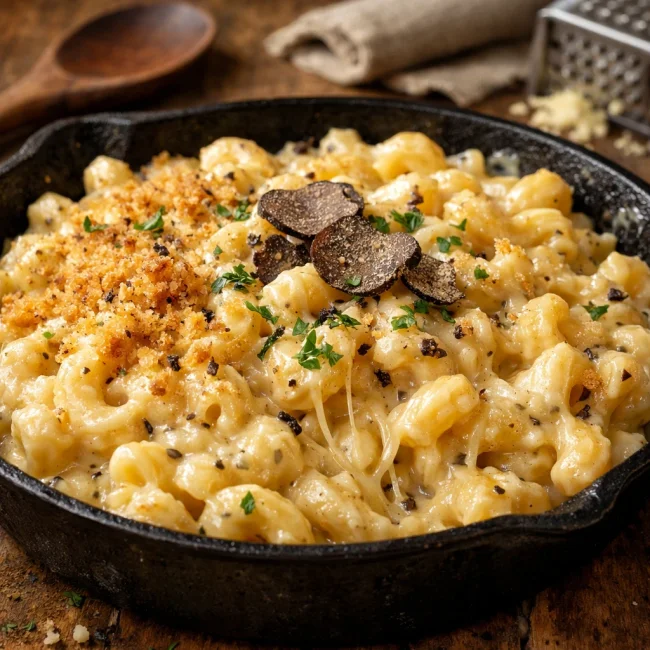
Truffle Mac and Cheese
Experience the ultimate comfort food with a gourmet twist in this Truffle Mac and ...
View Recipe