
Cajun-Spiced Shrimp and Cheesy Grits
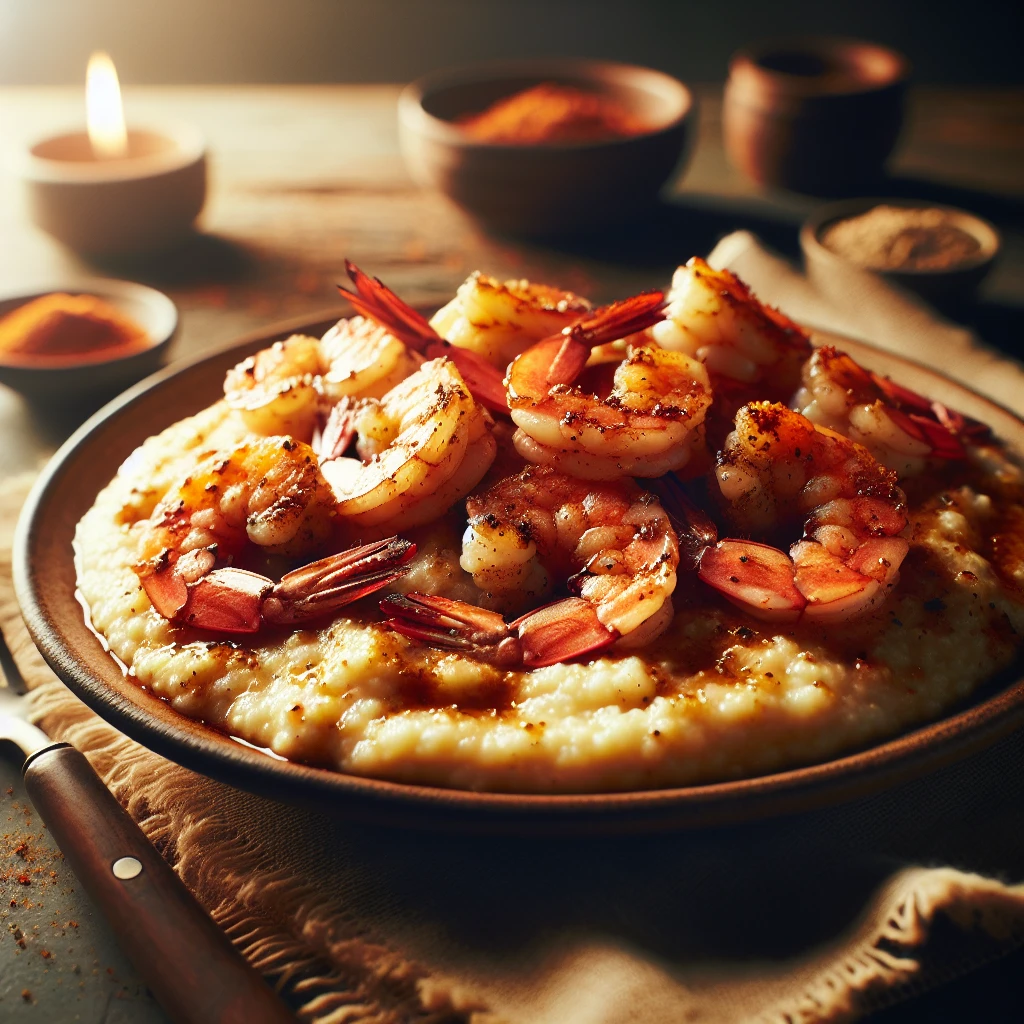
If you're craving a taste of the South with a bit of a kick, Cajun-Spiced Shrimp and Cheesy Grits is your answer. This dish combines the comforting creaminess of cheesy grits with the bold, spicy flavors of Cajun-seasoned shrimp. It's a delightful way to spice up your dinner routine.
 Share
Share
This post may contain affiliate links. As an Amazon Associate, we earn from qualifying purchases.
Ingredients for Cajun-Spiced Shrimp and Cheesy Grits
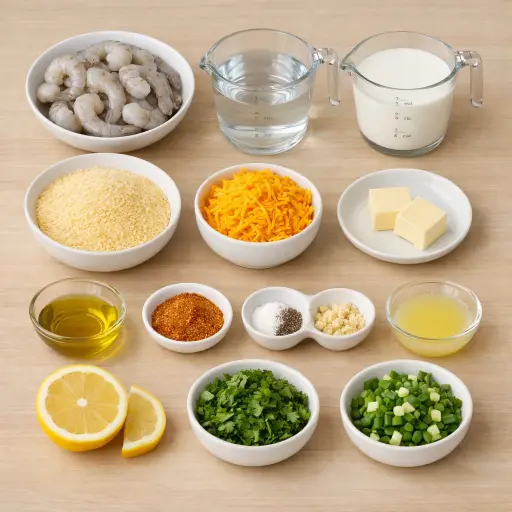
Shrimp: These little guys are the star of the show, offering a sweet and slightly briny flavor that pairs perfectly with the spicy Cajun seasoning.
Grits: Stone-ground grits provide a hearty, creamy base to soak up all the savory shrimp juices.
Cheddar Cheese: Sharp cheddar adds a robust flavor and creamy texture to the grits, making them irresistibly creamy.
Butter: A bit of butter adds richness and helps the cheese melt smoothly into the grits.
Olive Oil: A splash of olive oil is perfect for sautéing the garlic and shrimp, adding a subtle fruity note.
Cajun Seasoning: This is where the magic happens, infusing the shrimp with a spicy, smoky flavor.
Garlic: Fresh garlic elevates the dish with its aromatic, savory punch.
Lemon Juice: A squeeze of lemon juice brightens up the dish, balancing the richness of the cheese and butter.
Parsley and Green Onions: Fresh herbs and onions add a pop of color and a fresh, vibrant finish.
Why This Cajun-Spiced Shrimp and Cheesy Grits Works
As the water and milk heat up with the grits, the grains slowly soak in the liquid and swell. Over time the starch inside the grits thickens everything and turns the pot from loose and runny to smooth and creamy. When the cheddar and butter go in, the fat slides between the swollen grit grains, so they don’t clump up and stay soft instead of gritty. The cheese also melts into all those little spaces, so the grits stay thick but feel rich and silky.
In the skillet, the Cajun seasoning warms in the oil with the garlic, so the spices spread through the oil before the shrimp even go in. Once the shrimp hit the pan, they cook fast and stay juicy inside because they only need a few minutes on each side. By the time the lemon juice, parsley, and green onions go on, the shrimp are firm but not tough. Spoonfuls of creamy, cheesy grits under the hot shrimp catch all the spicy, lemony juices, so nothing dries out and every bite feels saucy.
Cajun-Spiced Shrimp and Cheesy Grits Tips & Tricks
- Use fresh shrimp if possible; it makes a noticeable difference in taste and texture.
- For even richer grits, substitute some of the milk with cream.
- Keep an eye on the grits while cooking; they tend to stick if not stirred frequently.
- Adjust the Cajun seasoning to your spice preference — start with less and add more if you're unsure.
Mistakes To Avoid
Letting the grits cook too fast over high heat makes the bottom scorch while the top still looks pale and loose. Once the milk and water burn on the bottom, that bitter, burnt layer mixes in when stirred, and the whole pot takes on a harsh, smoky taste and sandy texture.
Adding the cheese before the grits have fully thickened often leads to clumpy, stretchy pockets instead of a smooth, creamy base. The cheese melts around undercooked grains, so the grits stay a bit hard in the center and the mixture feels lumpy instead of soft and spoonable.
Cooking the shrimp for the full time on both sides, no matter their size, easily turns them rubbery. When they stay in the pan too long, they tighten up, lose moisture, and end up chewy instead of tender and springy.
Throwing the lemon juice into the pan too early, while the shrimp are still cooking hard, can make the liquid in the pan sharp and thin. The acid starts to toughen the surface of the shrimp and the garlic can taste harsh, so the topping feels a bit sour and flat instead of bright at the end.
Ingredients
- 1 lb large shrimp, peeled and deveined
- 2 cups water
- 2 cups milk
- 1 cup stone-ground grits
- 1 cup sharp cheddar cheese, shredded
- 2 tbsp butter
- 1 tbsp olive oil
- 1 tbsp Cajun seasoning
- Salt and pepper to taste
- 2 cloves garlic, minced
- 1 lemon, juiced
- 2 tbsp chopped fresh parsley
- 1/4 cup chopped green onions
Step-by-step Instructions
- 1. In a medium saucepan, bring water and milk to a simmer. Gradually whisk in the grits. Cook over low heat, stirring frequently, until thickened, about 25 minutes.
- 2. Stir in shredded cheddar cheese and butter into the grits. Season with salt and pepper to taste. Keep warm.
- 3. In a large skillet, heat olive oil over medium heat. Add garlic and Cajun seasoning, stirring for about 30 seconds.
- 4. Add shrimp to the skillet, cooking until pink and opaque, about 3-4 minutes per side.
- 5. Drizzle lemon juice over the shrimp and sprinkle with chopped parsley and green onions.
- 6. Serve the shrimp over the cheesy grits and garnish with additional parsley if desired.
Trending Now
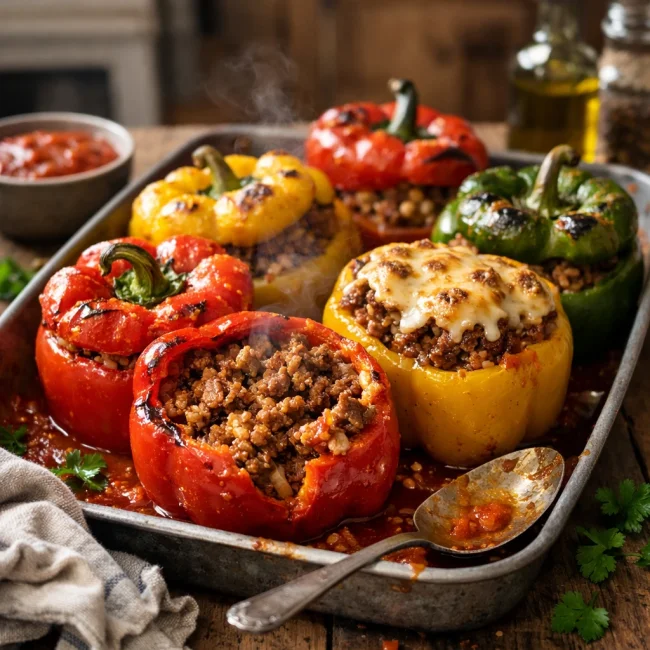
Traditional Stuffed Peppers
Explore the delightful blend of seasoned beef, rice, and tomato sauce nestled in v...
View Recipe
Traditional Lemon Pound Cake
A delightful and moist traditional lemon pound cake infused with the fresh zest an...
View Recipe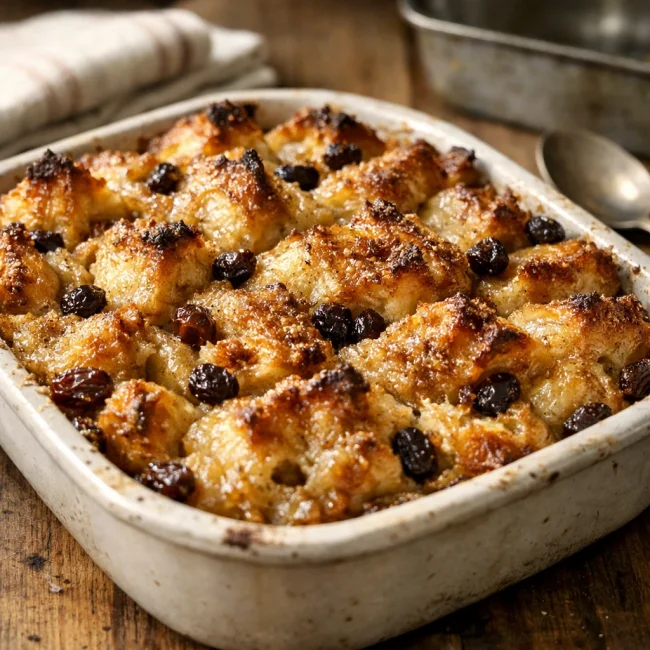
Old-Fashioned Bread Pudding
Discover the classic charm of Old-Fashioned Bread Pudding - a timeless dessert com...
View Recipe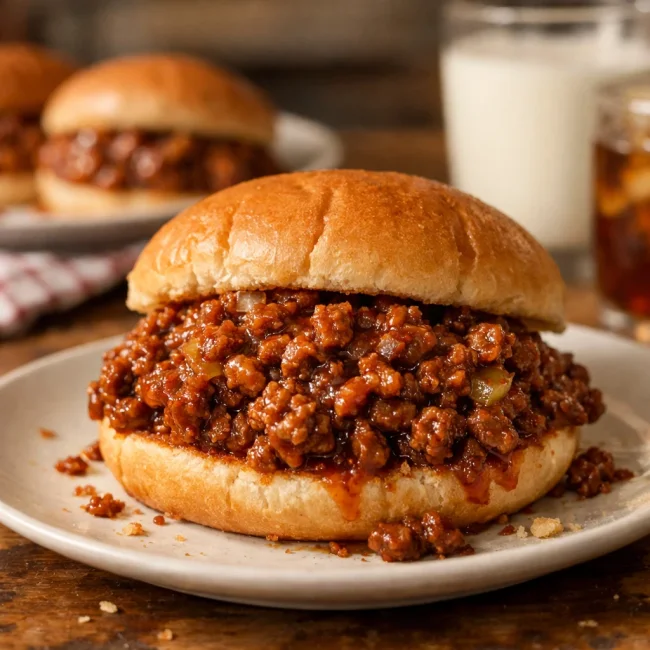
Classic Sloppy Joes
Bring back childhood memories with these hearty and savory sloppy joes. Made with ...
View RecipeFrequently Asked Questions
- Can I use instant grits instead of stone-ground?
- Yes, but keep in mind that the texture and flavor will be slightly different. Adjust cooking time according to package instructions.
- How can I make this dish less spicy?
- Start with half the amount of Cajun seasoning and add more to taste. You can also omit the garlic if desired.
- Can I substitute the shrimp with another protein?
- Absolutely! Chicken or sausage works well with the Cajun flavors. Adjust cooking time as needed.
Serving Ideas for Cajun-Spiced Shrimp and Cheesy Grits
This dish pairs wonderfully with a fresh, crisp salad — think arugula with a light vinaigrette. A side of sautéed greens, like collard greens or spinach, complements the richness of the dish beautifully. For a true Southern experience, serve with cornbread on the side.
More Main Dishes Recipes
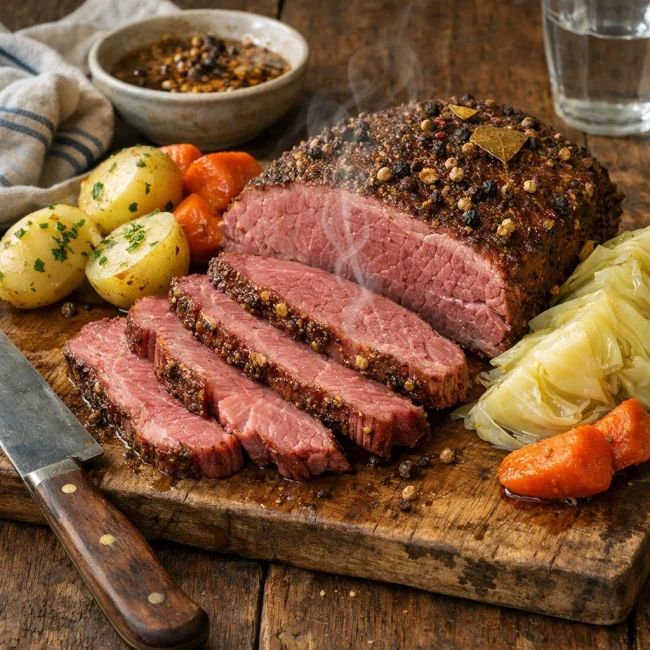
Unique Homemade Corned Beef
Discover the ultimate homemade corned beef recipe that balances rich flavors and t...
View Recipe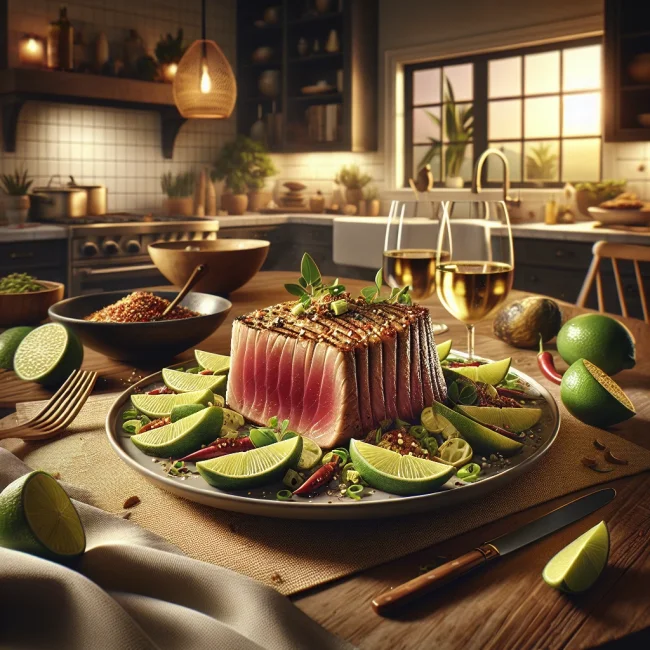
Spicy Lime Seared Ahi Tuna
Experience a burst of flavor with our Spicy Lime Seared Ahi Tuna, a perfect fusion...
View Recipe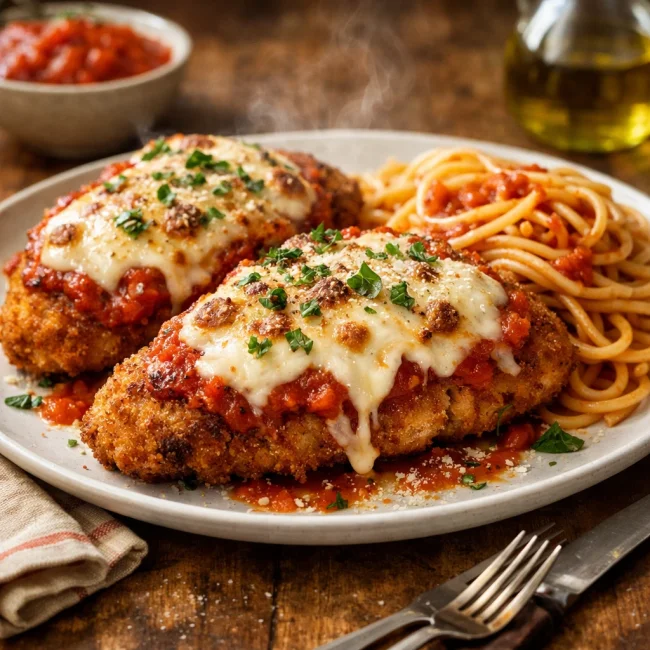
Traditional Chicken Parmesan
Savor the authentic taste of Italian cuisine with our Traditional Chicken Parmesan...
View Recipe
Seared Ahi Tuna
Experience the sublime taste of seared Ahi tuna, a Japanese-inspired dish that hig...
View Recipe