
Cajun-Inspired Vegan Jambalaya
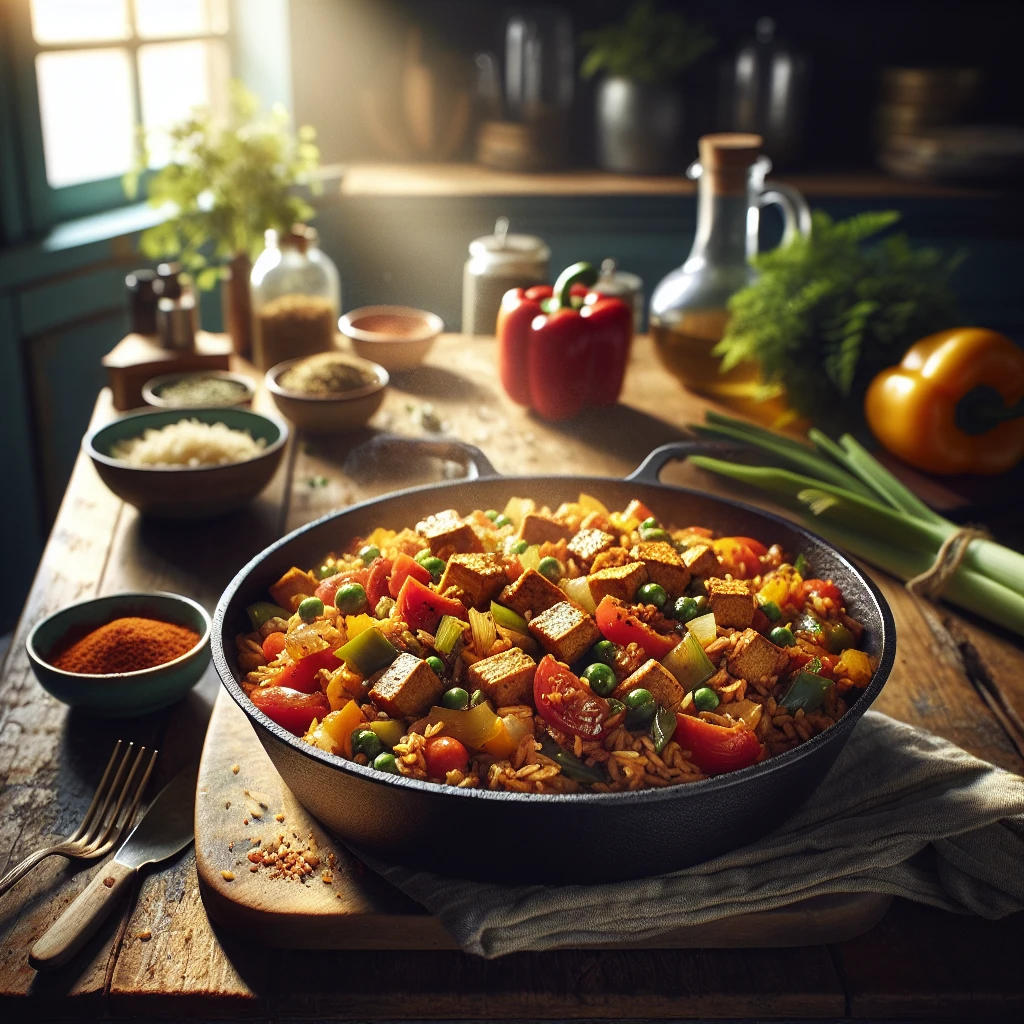
This Cajun-Inspired Vegan Jambalaya brings the soulful flavors of Louisiana right to your kitchen, minus the meat. It's a hearty, one-pot meal that’s perfect for a cozy dinner or a festive occasion.
 Share
Share
This post may contain affiliate links. As an Amazon Associate, we earn from qualifying purchases.
Ingredients for Cajun-Inspired Vegan Jambalaya
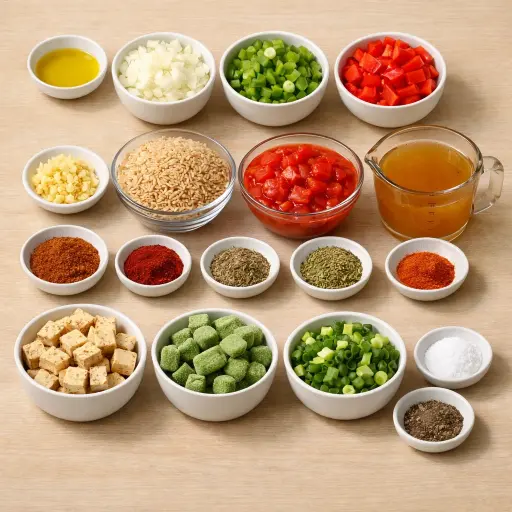
The base of this dish begins with a hearty mix of vegetables. Olive oil provides a smooth base for sautéing, adding a light richness. The trio of onion, green bell pepper, and red bell pepper serves as the aromatic foundation, offering sweetness and depth. Celery adds a mild bitterness that balances the dish.
Garlic brings a fragrant punch, while long-grain brown rice acts as the filling, nutty canvas for all the flavors. Diced tomatoes provide acidity and moisture, helping the rice cook evenly. Vegetable broth and water are the main cooking liquids, enhancing the rice’s flavor as it absorbs them.
Cajun seasoning is the star spice mix, delivering a bold, spicy kick with warmth from smoked paprika. Thyme and oregano blend in subtle earthiness, while cayenne pepper offers an optional extra heat for the adventurous. Tempeh provides a meaty texture and protein punch, while okra adds a unique, silky texture. Finally, green onions top it all with a fresh, zesty note.
Why This Cajun-Inspired Vegan Jambalaya Works
At the start, the onion, peppers, and celery sit in the hot oil and slowly soften. As they cook, they lose some water and their sharp bite, so the base of the jambalaya tastes sweeter and more mellow. When the garlic goes in, it quickly softens too, so it blends into the vegetables instead of staying harsh and raw.
Once the rice is stirred in, every grain gets coated in a thin layer of oil and vegetable juices. That coating keeps the rice from sticking together later and lets it cook more evenly. As the pot simmers with the tomatoes, broth, and water, the rice slowly soaks up the liquid and seasonings. Over time, the starch from the rice thickens the cooking liquid, so it goes from soupy to more like a loose, hearty rice dish.
Near the end, the tempeh and okra go in. The tempeh warms through and takes on the spicy, smoky liquid around it. At the same time, the okra softens and its slight stickiness helps the rice and vegetables cling together, so each spoonful holds a bit of everything.
Cajun-Inspired Vegan Jambalaya Tips & Tricks
- If you prefer a less spicy dish, reduce or omit the cayenne pepper.
- Feel free to substitute tempeh with tofu or a plant-based sausage for variety.
- Use a heavy-bottomed pot to ensure even cooking and prevent sticking.
Mistakes To Avoid
Letting the heat stay too high after adding the liquids makes the bottom catch and burn while the rice on top is still hard. The pot looks like it is simmering nicely, but the rice cooks unevenly and the burned layer sticks to the pan and gives the whole jambalaya a harsh, smoky taste and gritty bits.
Adding the tempeh at the very beginning with the vegetables seems easier, but it sits in the pot for too long and dries out. Instead of soaking up the saucy rice, the cubes turn tough and crumbly and feel chalky in the finished dish.
Skipping the step of coating the rice in the oil and vegetables means the grains go straight into the liquid and clump. The rice then cooks in sticky patches, so some parts stay firm while other parts turn mushy, and the jambalaya loses that loose, spoonable texture.
Stirring too often while the rice is simmering breaks up the grains and scrapes the starch from the bottom into the liquid. The mixture thickens in a pasty way, and the jambalaya turns heavy and gluey instead of having separate, tender grains.
Equipment Used:
Large skillet or Dutch oven, cutting board, knife, measuring cups and spoons, stirring spoon, lid for skillet or pot
Ingredients
- 1 tbsp olive oil
- 1 large onion, diced
- 1 green bell pepper, chopped
- 1 red bell pepper, chopped
- 2 stalks celery, sliced
- 4 cloves garlic, minced
- 1 cup uncooked long-grain brown rice
- 1 can (15 oz) diced tomatoes
- 2 cups vegetable broth
- 1 cup water
- 1 tbsp Cajun seasoning
- 1 tsp smoked paprika
- 1/2 tsp dried thyme
- 1/2 tsp dried oregano
- 1/4 tsp cayenne pepper (optional)
- 1 block (8 oz) tempeh, cubed
- 1 cup frozen okra
- 1/2 cup chopped green onions
- Salt and pepper to taste
Step-by-step Instructions
- 1. Heat olive oil in a large skillet or Dutch oven over medium heat.
- 2. Add onion, green bell pepper, red bell pepper, and celery. Sauté until vegetables are softened, about 5 minutes.
- 3. Stir in garlic and cook for another minute until fragrant.
- 4. Add rice to the skillet and stir well to coat with oil and vegetables.
- 5. Pour in diced tomatoes, vegetable broth, and water. Stir to combine.
- 6. Add Cajun seasoning, smoked paprika, thyme, oregano, and cayenne pepper. Mix thoroughly.
- 7. Bring mixture to a boil, then reduce heat to low. Cover and simmer for 30 minutes.
- 8. Stir in tempeh and okra. Cover and cook for an additional 15-20 minutes, or until rice is tender and liquid is absorbed.
- 9. Season with salt and pepper to taste. Garnish with green onions before serving.
Trending Now
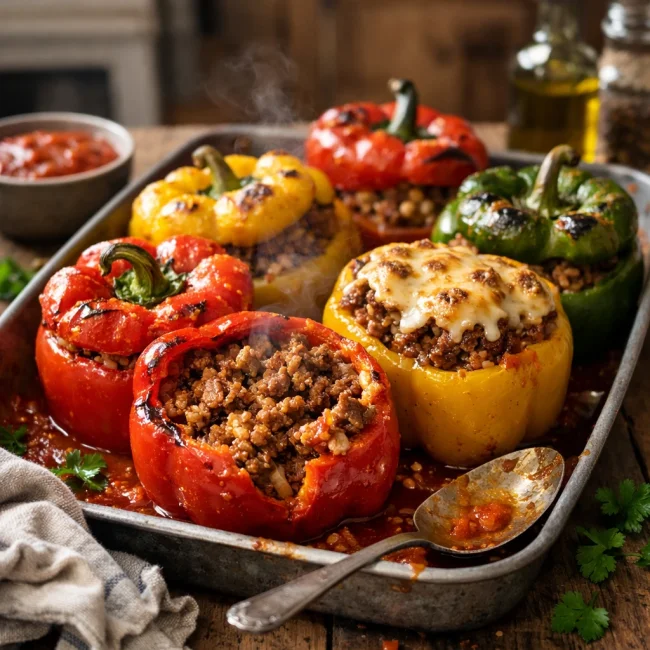
Traditional Stuffed Peppers
Explore the delightful blend of seasoned beef, rice, and tomato sauce nestled in v...
View Recipe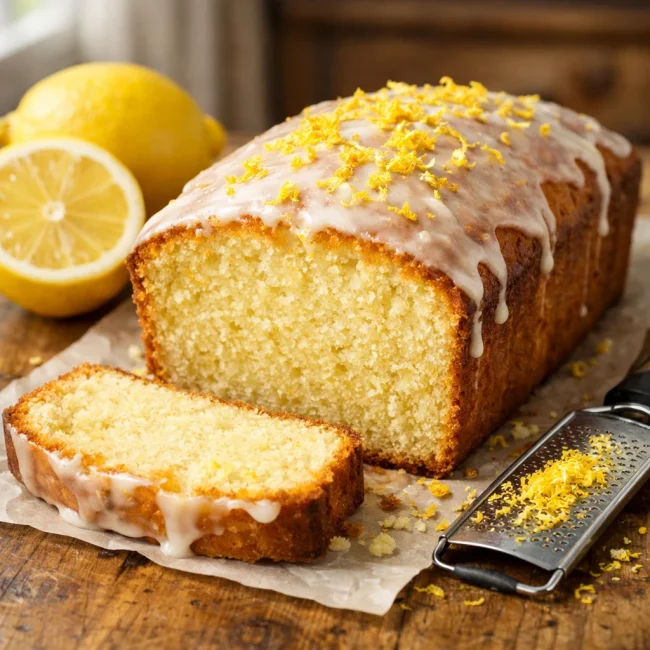
Traditional Lemon Pound Cake
A delightful and moist traditional lemon pound cake infused with the fresh zest an...
View Recipe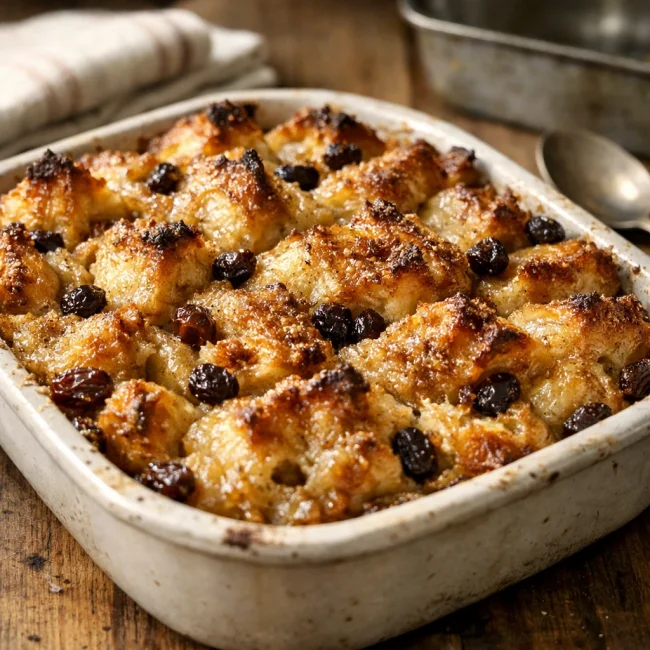
Old-Fashioned Bread Pudding
Discover the classic charm of Old-Fashioned Bread Pudding - a timeless dessert com...
View Recipe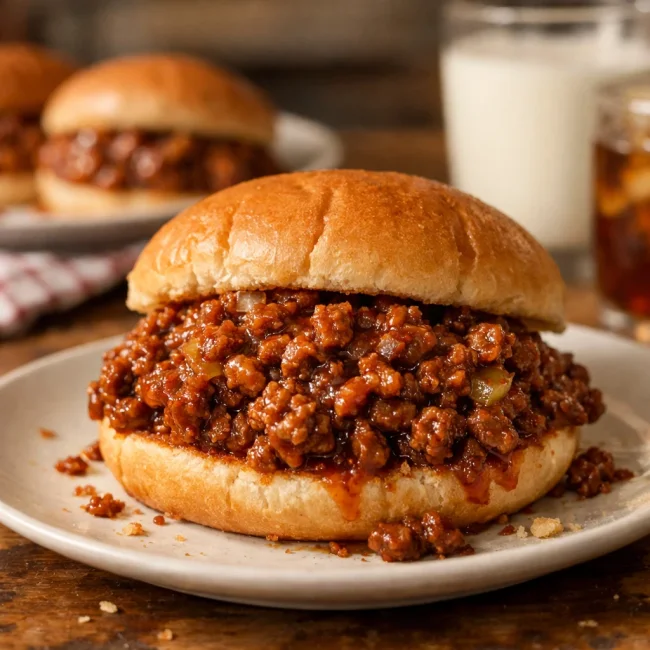
Classic Sloppy Joes
Bring back childhood memories with these hearty and savory sloppy joes. Made with ...
View RecipeFrequently Asked Questions
- Can I make this jambalaya in advance?
- Yes, it tastes even better the next day as the flavors meld together. Just store it in an airtight container in the fridge.
- Is there a gluten-free option?
- Absolutely! Ensure your Cajun seasoning is gluten-free and you're good to go.
- Can I freeze leftovers?
- This dish freezes well. Let it cool completely, then freeze in portioned containers for up to three months.
Serving Ideas for Cajun-Inspired Vegan Jambalaya
This jambalaya pairs beautifully with a crisp green salad topped with a tangy vinaigrette. For a Southern touch, serve it alongside cornbread or a simple garlic bread to mop up any leftover sauce.
More Rice Dishes Recipes
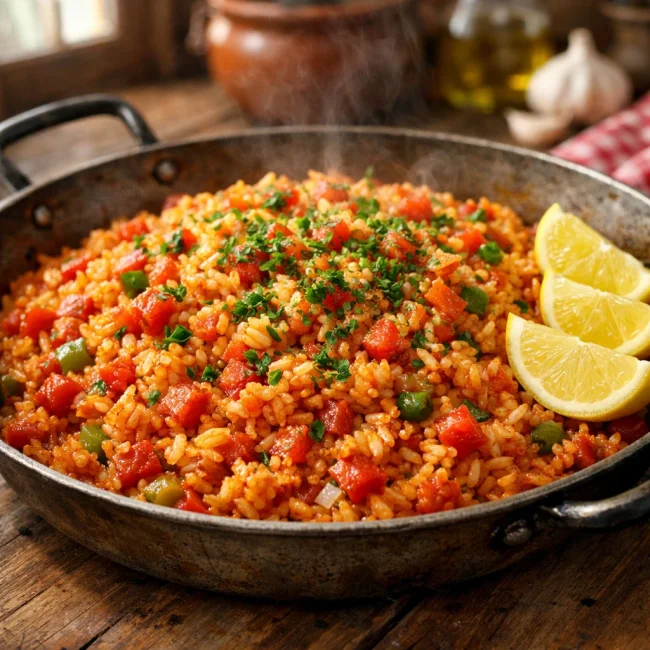
Traditional Spanish Rice
A rich and flavorful Spanish Rice made with aromatic spices and fresh vegetables, ...
View Recipe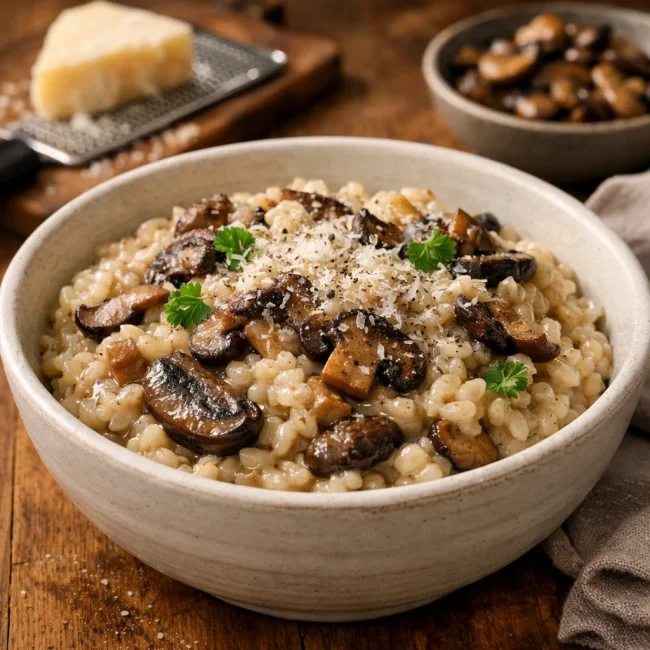
Creamy Mushroom Risotto
Indulge in this creamy mushroom risotto, a comforting dish perfect for warming bot...
View Recipe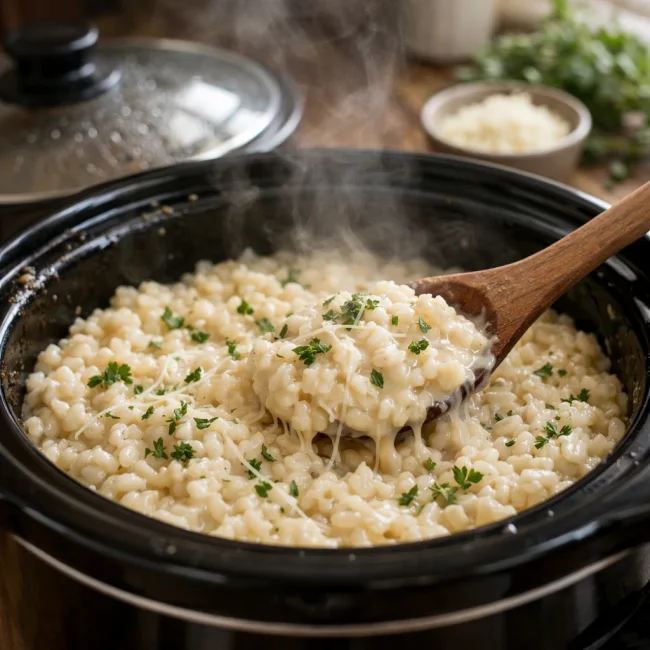
Slow Cooker Risotto
Enjoy the creamy texture of risotto without constant stirring by using your slow c...
View Recipe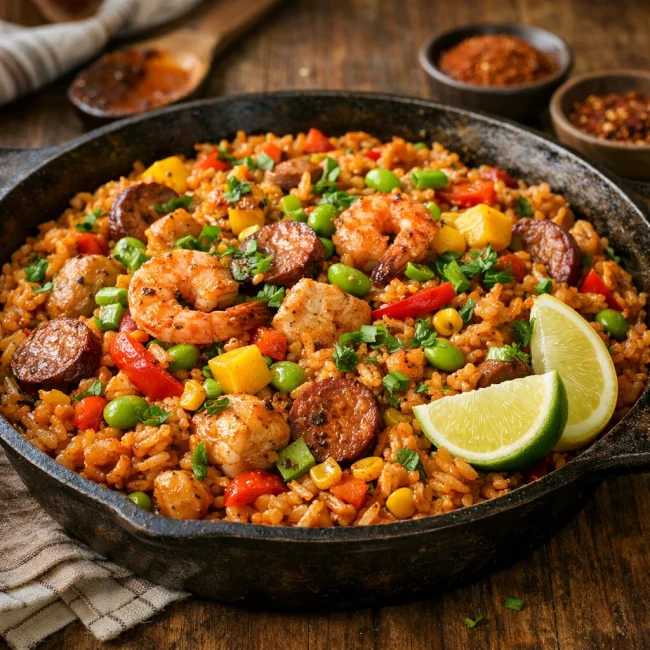
Cajun Fusion Jambalaya
An innovative twist on traditional jambalaya, combining bold Cajun spices with a f...
View Recipe