
Cajun Citrus Shrimp Gumbo
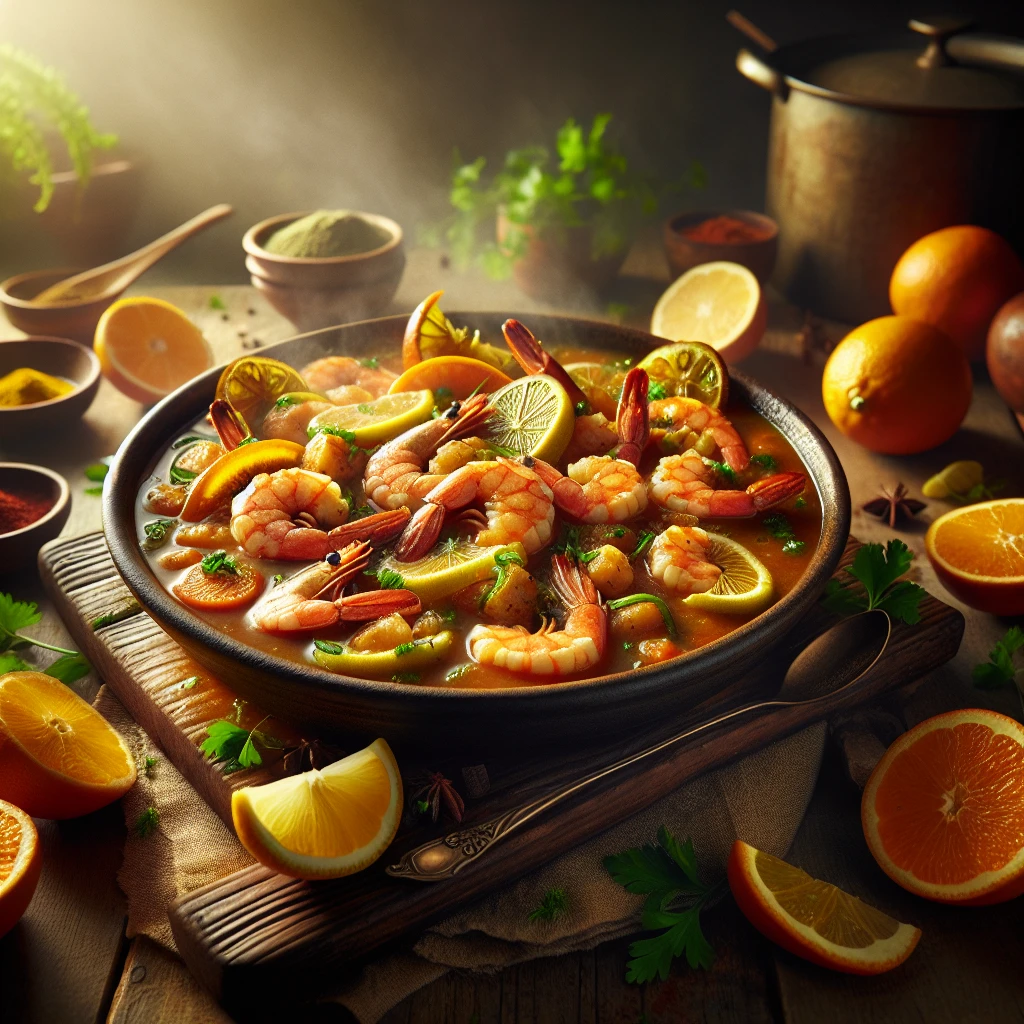
Cajun Citrus Shrimp Gumbo is a flavorful twist on a classic Southern dish, blending the rich, spicy notes of Cajun seasoning with the bright tang of citrus. It's perfect for those cooler nights when you crave something comforting yet vibrant.
 Share
Share
This post may contain affiliate links. As an Amazon Associate, we earn from qualifying purchases.
Ingredients for Cajun Citrus Shrimp Gumbo
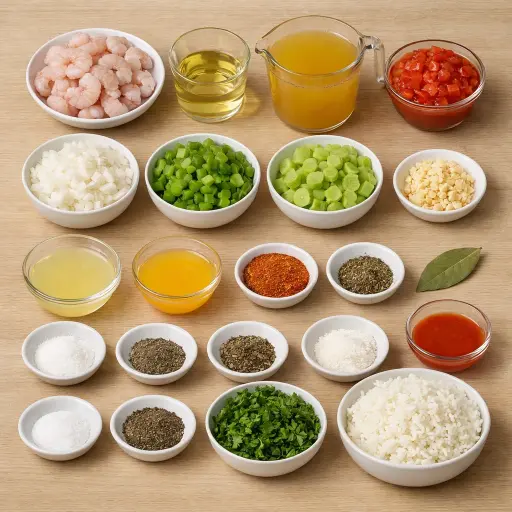
The heart of this dish is the shrimp, which brings a sweet, ocean-fresh taste that pairs beautifully with the spices. The vegetable oil and flour create a rich roux, the base for any good gumbo, adding depth and thickness. Onion, green bell pepper, and celery—known as the "holy trinity" in Cajun cuisine—form the aromatic foundation. Garlic enhances the savory notes, while chicken broth provides a flavorful liquid base. The diced tomatoes add a touch of acidity and texture. Lemon juice and orange juice bring a bright, citrusy twist, balancing the spices. The Cajun seasoning, dried thyme, and bay leaf infuse the gumbo with warmth and complexity. Finally, salt and black pepper help season the dish to perfection, while fresh parsley adds a pop of color and freshness at the end.
Why This Cajun Citrus Shrimp Gumbo Works
At the start, the oil and flour cook together for a while and slowly turn deep brown. During this time the flour changes from raw and pasty to dark and toasty, and the oil and flour thicken into a smooth base. That thick base is what lets the gumbo stay silky and not watery later, even after all the broth and juices go in.
Once the onion, bell pepper, celery, and garlic hit the hot roux, they soften and shrink. As they soften, their sharp bite eases up and they blend into the thick brown base instead of staying as separate chunks. When the chicken broth, tomatoes, and citrus juices are stirred in, the roux spreads through the pot and keeps everything lightly thick, almost like a thin gravy.
While the gumbo simmers, the flour in the roux keeps swelling and the liquid slowly reduces, so the pot goes from loose to spoon-coating. The shrimp go in near the end so they cook just until pink and stay tender instead of rubbery. Right at the finish, the parsley stays bright and fresh on top of the rich, thick gumbo and soft rice.
Cajun Citrus Shrimp Gumbo Tips & Tricks
- Keep stirring the roux constantly to avoid burning—it can go from perfect to scorched in seconds.
- If you like your gumbo spicier, add a bit more Cajun seasoning or a dash of hot sauce.
- Let the gumbo sit for a few minutes after cooking for the flavors to meld even further.
Mistakes To Avoid
Letting the roux stay pale or rushing it off the heat too soon leaves it the color of peanut butter instead of deep brown. In the pot, this lighter roux doesn’t thicken the liquid as much and stays a bit pasty. The gumbo ends up thinner and flat-looking, with the oil more likely to separate on top.
When the roux is cooked over heat that’s too high, the flour can scorch in spots before it all browns evenly. Those burned bits stay in the pot and keep cooking. The finished gumbo takes on a harsh, bitter edge and a slightly gritty feel instead of a smooth, toasty base.
Dumping in all the broth at once instead of slowly stirring it into the roux makes the mixture seize up into lumps. Once those clumps form, they never fully break down. The gumbo cooks with tiny flour balls floating around, giving the sauce a bumpy, uneven texture.
Adding the shrimp at the start of the simmer instead of near the end keeps them in hot liquid for almost an hour. In the pot they tighten and shrink. By serving time the shrimp are small, rubbery, and dry in the center instead of tender and springy.
Equipment Used:
Ingredients
- 1 lb shrimp, peeled and deveined
- 1/2 cup vegetable oil
- 1/2 cup all-purpose flour
- 1 cup chopped onion
- 1 cup chopped green bell pepper
- 1 cup chopped celery
- 1 tbsp minced garlic
- 4 cups chicken broth
- 1 can (14.5 oz) diced tomatoes, with juice
- 1/4 cup fresh lemon juice
- 1/4 cup fresh orange juice
- 2 tsp Cajun seasoning
- 1 tsp dried thyme
- 1 bay leaf
- 1/2 tsp salt
- 1/2 tsp black pepper
- 1/4 cup chopped fresh parsley
- 2 cups cooked white rice, for serving
- Optional: hot sauce, to taste
Step-by-step Instructions
- 1. In a large pot, heat the vegetable oil over medium heat, then whisk in the flour until smooth. Cook, stirring, until the roux turns a deep brown, about 15-20 minutes.
- 2. Add the onion, bell pepper, celery, and garlic to the roux, cooking for another 5 minutes until the vegetables are softened.
- 3. Slowly stir in the chicken broth, ensuring no lumps form. Then add the diced tomatoes with juice, lemon juice, orange juice, Cajun seasoning, thyme, bay leaf, salt, and pepper. Bring the mixture to a boil.
- 4. Reduce the heat to low and let the gumbo simmer for 40 minutes, stirring occasionally.
- 5. Add the shrimp to the pot and cook for an additional 10 minutes, or until the shrimp are pink and cooked through.
- 6. Remove the bay leaf, stir in the fresh parsley, and serve hot over cooked white rice. Optionally, add hot sauce for an extra kick.
Trending Now
Old-Fashioned Bread Pudding
Discover the classic charm of Old-Fashioned Bread Pudding - a timeless dessert com...
View Recipe
Traditional Crisp Coleslaw
A classic coleslaw recipe featuring finely shredded cabbage and carrots tossed in ...
View Recipe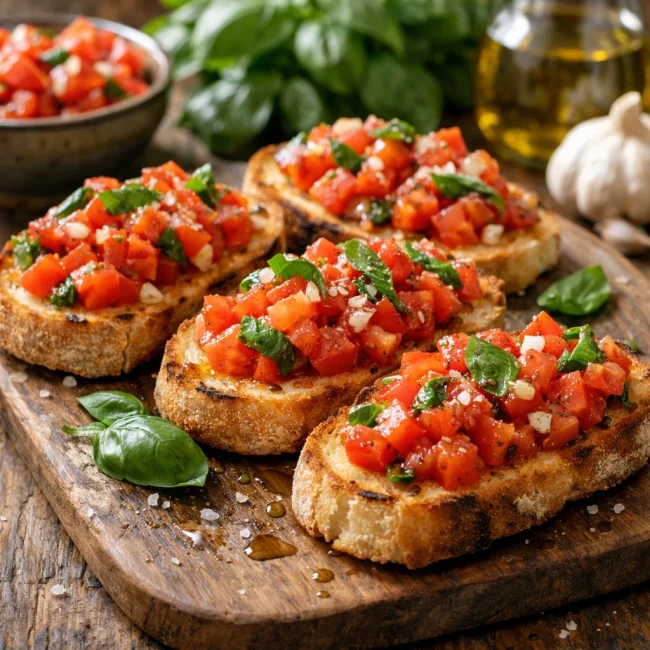
Traditional Italian Bruschetta
Experience the authentic taste of Italian bruschetta, a perfect blend of fresh tom...
View Recipe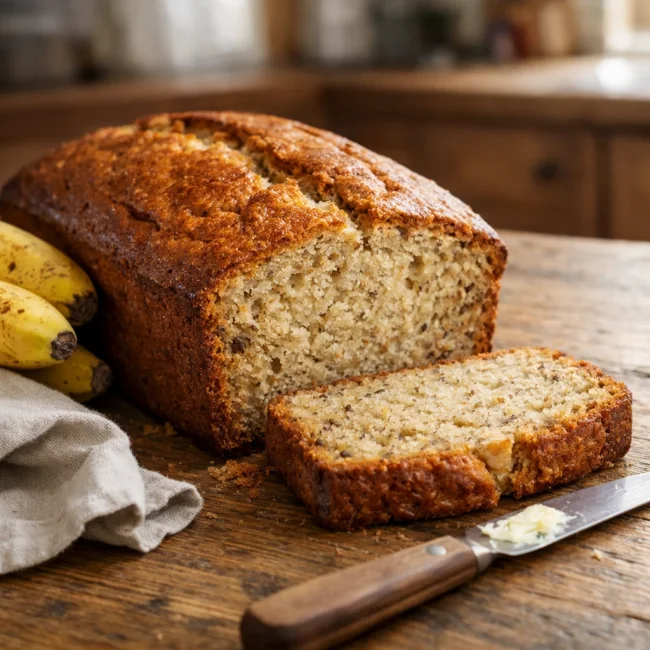
Classic Banana Bread
Classic Banana Bread is a timeless dessert beloved for its moist texture and sweet...
View RecipeFrequently Asked Questions
- Can I use frozen shrimp?
- Yes, just make sure they are fully thawed and drained before adding to the gumbo.
- How do I store leftovers?
- Store in an airtight container in the refrigerator for up to 3 days. Reheat gently on the stove.
- Is there a vegetarian version?
- Replace shrimp with mushrooms or your choice of vegetables, and use vegetable broth instead of chicken broth.
Serving Ideas for Cajun Citrus Shrimp Gumbo
This gumbo is best served over a bed of fluffy white rice. Pair it with a side of warm, crusty bread to soak up the flavorful broth. A simple green salad can also complement the hearty flavors nicely.
More Soups & Stews Recipes
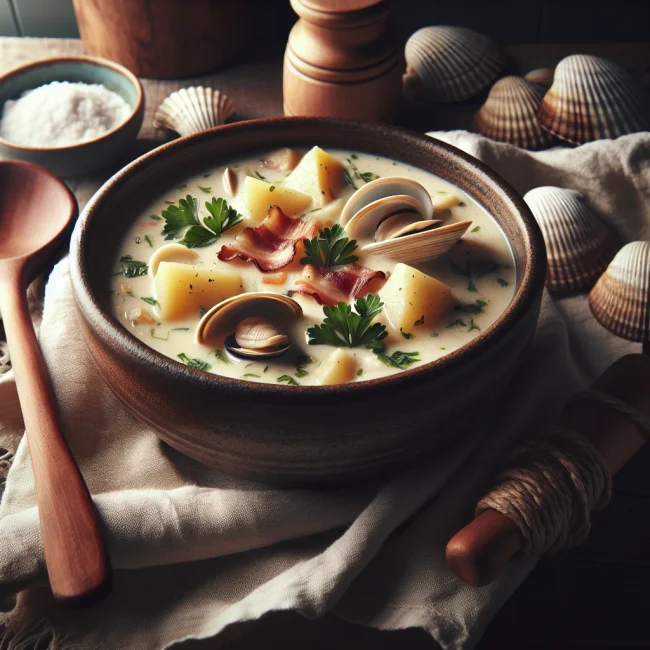
Classic Clam Chowder
Indulge in a timeless seaside staple with our Classic Clam Chowder recipe, a rich ...
View Recipe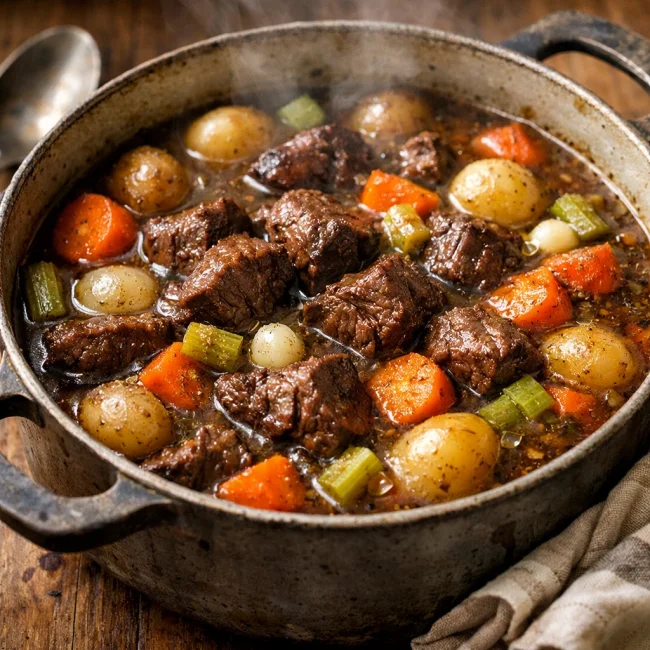
Traditional Beef Stew
A heartwarming traditional beef stew that combines tender beef chunks with classic...
View Recipe
Southwestern Chipotle Taco Soup
Explore the bold flavors of the Southwest with this unique variation of taco soup,...
View Recipe
Southwest Fiesta Taco Soup
Discover the vibrant flavors of our Southwest Fiesta Taco Soup, a quick and hearty...
View Recipe