
Artisan Sourdough Loaf
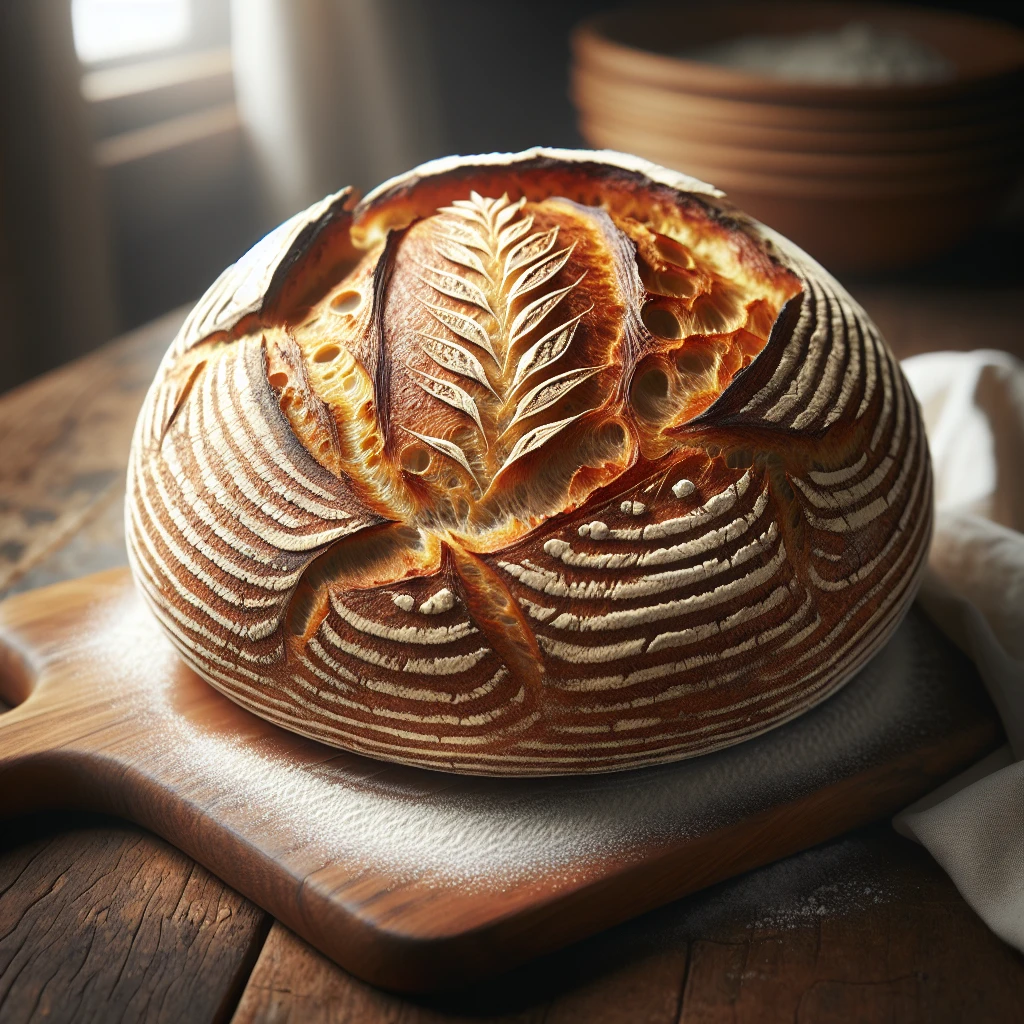
Creating an artisan sourdough loaf at home is a delightful culinary journey. With just a few simple ingredients and some patience, you'll craft a bread with a crisp crust and chewy crumb that rivals any bakery loaf.
 Share
Share
This post may contain affiliate links. As an Amazon Associate, we earn from qualifying purchases.
Ingredients for Artisan Sourdough Loaf
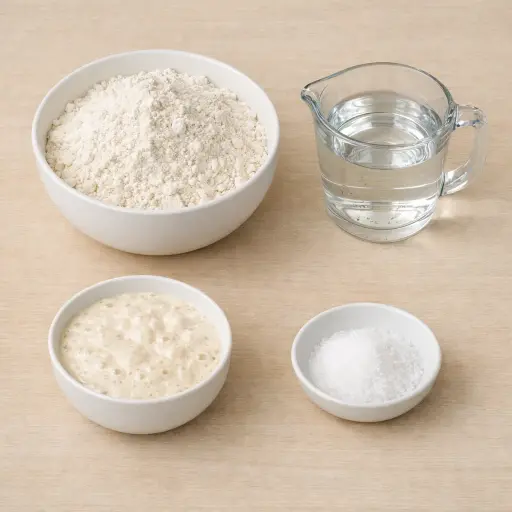
All-purpose flour is the backbone of our loaf, providing structure and chewiness. Water hydrates the flour, helping gluten to develop. Your sourdough starter is the magic ingredient, giving the bread its rise and signature tangy flavor. Finally, salt enhances the taste and strengthens the dough's structure.
Why This Artisan Sourdough Loaf Works
At the start, the sourdough starter, water, and flour sit together and the flour slowly soaks up the water. Gluten starts to form on its own during that first 30‑minute rest, so the dough already feels smoother without much work. Salt goes in early and keeps the dough from getting too sticky and wild, so it’s easier to handle later.
During the stretch and folds, the dough is gently pulled and folded back onto itself. Each round lines up the gluten strands a bit more. Over time the dough changes from shaggy and loose to stretchy and bouncy. Gas from the starter gets trapped inside that gluten net, so small bubbles start to build all through the dough.
Once the dough is shaped and resting in the banneton, it rises upward instead of spreading out because that gluten structure now holds its shape. In the hot Dutch oven, steam from the wet dough stays around the loaf at first, so the crust stays soft while the bread springs up. After the lid comes off, the surface dries and browns, setting a crisp crust while the inside stays moist and airy.
Artisan Sourdough Loaf Tips & Tricks
- Keep your sourdough starter fed and active for the best rise.
- If the dough is too sticky during folding, lightly wet your hands instead of adding flour.
- For a more pronounced sour flavor, let the shaped dough rise in the fridge overnight before baking.
Mistakes To Avoid
Letting the dough stay very stiff instead of sticky at the start often leads to a tight, heavy loaf. When there isn’t enough water, the gluten can’t stretch much during the folds and rise. The bread then bakes up short, with a small, dense crumb instead of big open holes.
Skipping or rushing the stretch-and-folds means the dough never really strengthens. In the bowl it will feel slack and floppy, and during the final rise it spreads out instead of puffing up. In the oven it tends to bake into a flat, wide loaf with a gummy center.
Cutting the final rise short causes the dough to go into the oven still under-proofed. The surface tears in random spots instead of opening along the score, and the inside stays tight and slightly doughy. The crust may look fine, but the crumb feels chewy and underdone.
Placing the dough in a Dutch oven that isn’t fully preheated keeps the loaf from springing up. The base warms slowly instead of getting a quick blast of heat, so the bread rises less and the bottom crust stays pale and a bit tough instead of crisp.
Equipment Used:
Ingredients
- 3 cups All-purpose flour
- 1 1/2 cups Water
- 1 cup Sourdough starter
- 1 1/2 tsp Salt
Step-by-step Instructions
- 1. Combine the sourdough starter and water in a large mixing bowl.
- 2. Gradually add the flour and salt, mixing until a sticky dough forms.
- 3. Cover the bowl with a damp cloth and let it rest for 30 minutes.
- 4. Perform a series of stretch and folds every 30 minutes for 2 hours.
- 5. Shape the dough into a round and let it rise in a floured banneton for 3-4 hours or until doubled in size.
- 6. Preheat your oven to 450°F and place a Dutch oven inside to preheat.
- 7. Carefully transfer the dough to the hot Dutch oven, score the top with a blade, and cover.
- 8. Bake for 20 minutes covered, then uncover and bake for another 25 minutes or until deep golden brown.
- 9. Cool on a wire rack before slicing.
Trending Now

Classic Cucumber Salad
A refreshing and light cucumber salad featuring crisp cucumbers and a tangy vinaig...
View Recipe
Zesty Summer Squash Casserole
This delightful summer squash casserole combines vibrant garden-fresh vegetables w...
View Recipe
Classic Banana Bread
Classic Banana Bread is a timeless dessert beloved for its moist texture and sweet...
View Recipe
Traditional Dump Cake
Discover the timeless delight of the Traditional Dump Cake, a simple and scrumptio...
View RecipeFrequently Asked Questions
- Can I use a different type of flour?
- Yes! You can substitute some of the all-purpose flour with whole wheat for a nuttier flavor. Just adjust the water as needed.
- What if I don't have a banneton?
- No worries! Use a bowl lined with a heavily floured tea towel instead.
- How long does the bread stay fresh?
- This loaf is best consumed within 2-3 days. Store it in a paper bag or bread box to maintain the crust.
Serving Ideas for Artisan Sourdough Loaf
This sourdough loaf is perfect for rustic sandwiches. Try it with avocado and poached eggs for breakfast, or alongside a hearty soup for dinner. The possibilities are endless with its versatile flavor.
More Breads & Baked Goods Recipes

Traditional Italian Easter Bread
Savor the delightful taste of a classic Italian Easter bread, a sweet, soft, and s...
View Recipe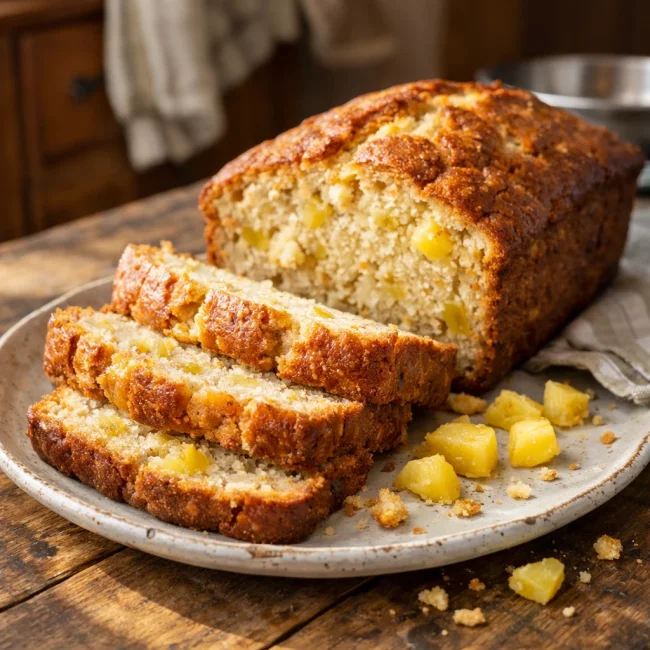
Old-Fashioned Pineapple Bread
A delightful and flavorful bread infused with juicy pineapple, perfect for breakfa...
View Recipe
Old-Fashioned Blueberry Muffins
Transport yourself to simpler times with these delightful old-fashioned blueberry ...
View Recipe
Strawberry Basil Scones
These tender scones combine the sweetness of fresh strawberries with a hint of pep...
View Recipe